Six States Report Marijuana Arrests Exceed Half of All Drug Arrests
New federal data shows cannabis enforcement still dominates drug arrests in Wyoming, Montana, Nebraska, Iowa, Kansas, and South Dakota despite shifting national policy.
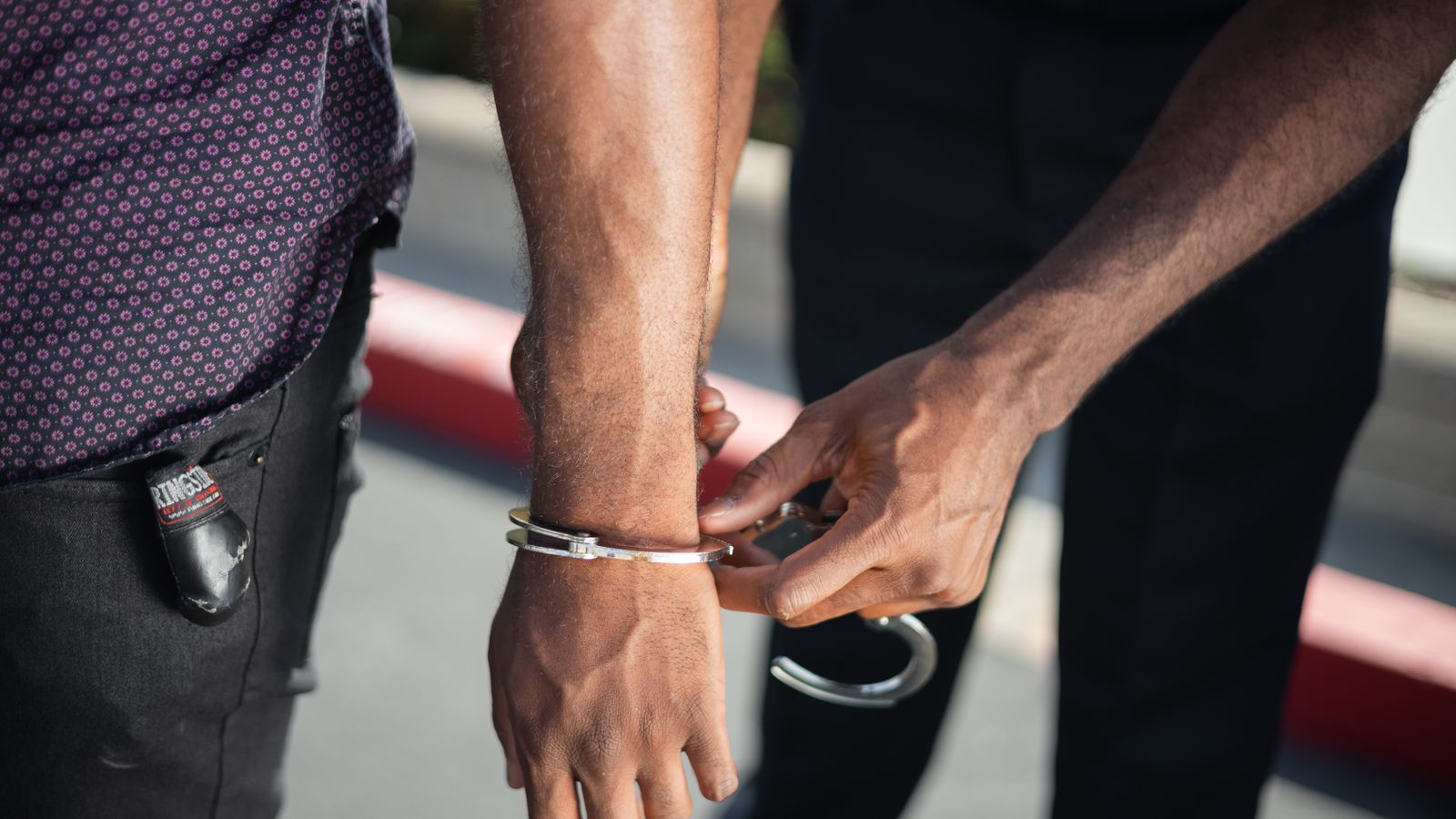
Close-up of a police officer handcuffing a suspect outdoors, enforcing law.
Wyoming Leads Nation in Cannabis Arrest Share
Wyoming recorded the highest marijuana arrest rate among all states, with 64.2% of all drug arrests involving cannabis. The state arrested 3,847 individuals for marijuana offenses in 2025, compared to 2,145 arrests for all other controlled substances combined. Wyoming maintains full prohibition. No medical program. No adult-use market.
Montana followed at 58.1%, despite voters approving adult-use legalization in 2020. The state's regulated market launched in January 2022, but enforcement data suggests arrests have persisted in areas without licensed dispensaries and among individuals under 21.
Great Plains States Cluster at Top of Enforcement List
Four of the six states are contiguous Great Plains jurisdictions with no legal cannabis markets. Nebraska (56.7%), Iowa (54.3%), Kansas (53.9%), and South Dakota (52.1%) all exceeded the 50% threshold. South Dakota voters approved medical cannabis in 2020, but the program remains limited to qualifying patients with registered cards.
Geographic isolation from legal markets offers the cleanest explanation for this clustering—all six states border jurisdictions with either medical or adult-use programs, creating cross-border enforcement pressure that shows up in arrest totals year after year.
National Marijuana Arrest Rate Drops to 28%
Nationwide, marijuana arrests accounted for 28.4% of all drug arrests in 2025, down from 31.6% in 2024 and 43% in 2020. The FBI recorded 487,320 cannabis arrests last year, a 22% decline from 2024's 624,890. Total drug arrests fell 11% over the same period.
The divergence between prohibition states and legal states is stark. California, Colorado, Oregon, and Washington—all adult-use states—reported marijuana arrest shares below 15%. In California, cannabis arrests represented just 9.2% of all drug arrests, the lowest rate among states with populations exceeding 5 million.
Possession Still Drives 89% of Cannabis Arrests
Simple possession accounted for 433,915 of the 487,320 marijuana arrests, or 89.1%. Sale and manufacturing arrests totaled 53,405. Possession's share has held steady since 2022, suggesting enforcement patterns have stabilized even as total arrest volume declines.
The data shows enforcement resources in prohibition states remain heavily allocated to low-level cannabis possession, even as opioid and methamphetamine arrest rates climb in the same jurisdictions.
In Wyoming, possession arrests outnumbered sale arrests 11-to-1. Montana's ratio was 9-to-1.
Racial Disparity Persists in All Six States
Black individuals were arrested for marijuana at 3.2 times the rate of white individuals in the six high-enforcement states, despite similar usage rates. FBI supplemental arrest data shows the disparity ratio ranged from 2.8-to-1 in Montana to 4.1-to-1 in Iowa. Nationally, the disparity ratio was 3.64-to-1 in 2025, unchanged from 2024.
Civil-rights groups have cited these figures in ongoing litigation challenging enforcement practices in Nebraska and Kansas. Both states face federal lawsuits alleging Fourth Amendment violations in roadside searches targeting out-of-state cannabis consumers.
Border-State Enforcement Drives Cross-Jurisdictional Traffic
Wyoming, Nebraska, Kansas, and South Dakota all border Colorado, where adult-use sales exceeded $1.5 billion in 2025. Law enforcement agencies in those states have reported increased interdiction activity along Interstate 80, Interstate 70, and Interstate 25—the primary corridors linking Colorado to prohibition states.
South Dakota's arrest total spiked 18% year-over-year, the largest increase among the six states. Highway Patrol attributed the rise to expanded K-9 units and federal grant funding for drug interdiction. For background on interstate enforcement patterns, see the CannIntel topic hub on marijuana arrests and enforcement.
What to Watch in 2026 Enforcement Data
The next FBI Uniform Crime Report, due in September 2027, will capture the first full year of data following federal rescheduling of cannabis to Schedule III. Rescheduling took effect in March 2026 but didn't alter state-level prohibition statutes. Legal analysts expect arrest totals in the six high-enforcement states to remain elevated unless state legislatures act.
Montana is the only state among the six with an active legislative push to expand its adult-use program. A bill to allow out-of-state sales and increase dispensary caps advanced out of committee in August 2026 and is expected to reach a floor vote in early 2027. Whether Nebraska or South Dakota will place legalization measures on the 2027 ballot remains the political variable nobody can model.
For complete background, history, and our ongoing coverage of this story:
Open the CannIntel topic hub →Sources
The cannabis newsletter you forward to your team.
Federal policy, market data, grower alerts, and the one story that matters today. Sent every weekday at 7am. Free.
No spam. Unsubscribe with one click. 21+ only.
Related from Laws

Dual-Industry Executive Urges Congress to Regulate All THC Products
A businessman operating in both marijuana and hemp sectors calls for federal THC regulation to close loopholes.

Nebraska Supreme Court Upholds Cannabis Legalization Ballot Measures
State's highest court clears the way for November vote on medical and recreational cannabis after rejecting challenge.

Cayman Islands Cannabis Advocates Push Legalization in Parliament
Reform campaigners presented decriminalization arguments to Cayman lawmakers as the British territory weighs cannabis policy changes.
More from the newsroom

Federal Report Shows Banks Still Reject Cannabis Clients Despite SAFER
New federal data reveals persistent banking access gaps for marijuana businesses even as legislative momentum stalls.
Endovia Pursues FDA Veterinary Approval for Cannabinoid Drug Targeting Dogs
The cannabis company is betting on canine cancer and chronic pain treatments to unlock FDA approval in the companion-animal market.

Canopy Growth Launches Two New Cannabis Formats in Australia
The Canadian MSO debuts flower and oil products through its Spectrum Therapeutics brand in the Australian medical market.