Portugal's Regulator Defends Cannabis Crackdown as Export Permits Stall
INFARMED justifies enforcement sweep that has frozen medical-cannabis exports and suspended multiple producer licenses since August.
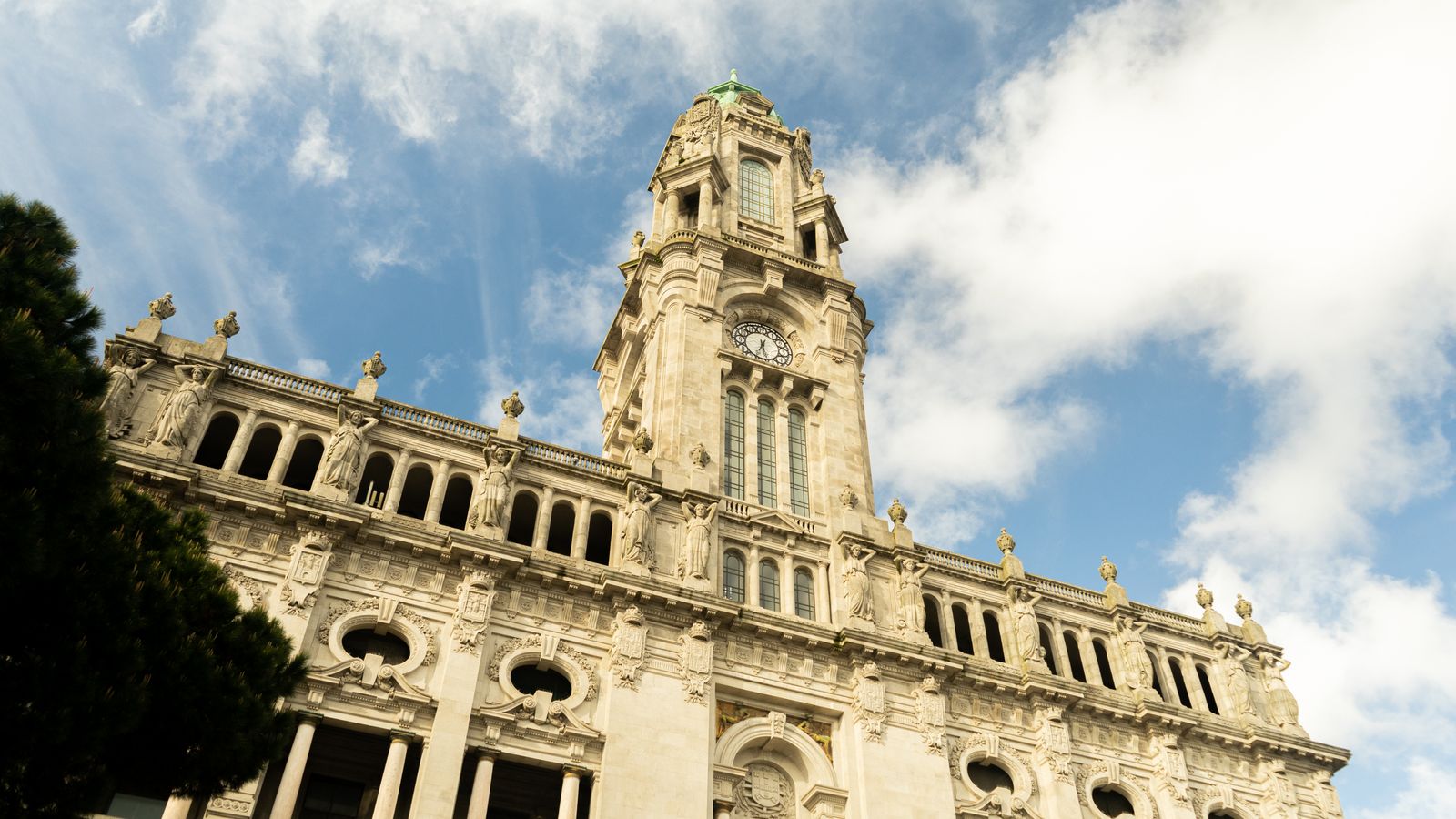
A majestic view of the Porto City Hall under a clear blue sky, highlighting its architectural elegance.
Enforcement Sweep Targets Compliance Gaps in Export Chain
INFARMED suspended export authorizations for at least three licensed cannabis producers in late August 2026, citing violations of Good Manufacturing Practice (GMP) standards and traceability failures. The regulator's September 14 statement described the enforcement actions as "necessary to preserve the integrity of Portugal's medical-cannabis framework." It didn't name the affected companies. It didn't specify which violations triggered each suspension.
The agency confirmed it opened formal administrative proceedings against two producers for potential license revocation. Those cases remain pending. INFARMED said it would release detailed findings only after the proceedings conclude—a timeline the agency didn't specify.
Portugal authorized medical-cannabis cultivation and export in 2018 under Law 33/2018. Since then, the country has issued approximately 40 cultivation licenses, making it one of Europe's largest legal-cannabis exporters by volume. Most output flows to Germany, the United Kingdom, and Switzerland.
Export Permits Frozen Since Late August
The enforcement actions have effectively frozen exports for the suspended operators since August 28, 2026, according to industry sources. INFARMED's export-authorization system requires active GMP certification and quarterly compliance audits. Suspended operators can't ship product until INFARMED reinstates their export permits, a process the agency said depends on "full remediation of identified deficiencies."
The regulator didn't provide a timeline for reinstatement reviews. One suspended operator, speaking on condition of anonymity, told CannIntel the company submitted a corrective-action plan on September 3 but has received no feedback from INFARMED as of September 13.
Portugal's cannabis-export volume reached approximately 12 metric tons in 2025, generating an estimated €85 million in declared export value, according to customs data. The three suspended operators collectively represent roughly 20 percent of Portugal's licensed cultivation capacity, based on publicly disclosed facility sizes.
Regulator Cites Traceability and GMP Violations
INFARMED's statement identified two primary violation categories: failures in seed-to-sale traceability systems and lapses in GMP environmental controls. Inspectors documented "incomplete batch records, inadequate environmental monitoring, and gaps in chain-of-custody documentation" during audits conducted between June and August 2026, the agency said.
The regulator didn't specify whether the violations involved diversion risk, contamination, or paperwork deficiencies. All findings are documented in confidential audit reports that will be disclosed only if enforcement proceedings result in license revocation, INFARMED said.
Portugal's GMP standards for cannabis align with European Medicines Agency (EMA) guidelines, which require validated environmental controls, batch-level traceability, and quarterly third-party audits. Operators must maintain GMP certification to hold an active export authorization.
Industry Groups Call for Transparency on Enforcement Criteria
Two Portuguese cannabis-industry associations requested that INFARMED publish anonymized summaries of the alleged violations to help operators understand enforcement thresholds. The Portuguese Medical Cannabis Association (APCM) and the Cannabis Industry Association of Portugal (ACIP) issued a joint statement September 12 asking for "clear, public guidance on the compliance standards that triggered these suspensions."
Confidential enforcement creates uncertainty for operators and investors, the groups argued. APCM's statement noted that "without transparency on what constitutes a material violation, producers can't calibrate their compliance programs effectively."
INFARMED hasn't responded to the associations' request. The regulator's September 14 statement said only that "enforcement decisions are based on documented evidence and follow established administrative procedures."
Export Market Impact and Operator Response
The suspensions have disrupted supply contracts with at least two German pharmaceutical distributors, according to trade sources. Germany imported approximately 4.2 metric tons of medical cannabis from Portugal in 2025, making it Portugal's largest export market. One German distributor confirmed to CannIntel that a scheduled September shipment from a Portuguese supplier was canceled due to "regulatory issues," but the distributor declined to name the supplier.
An estimated 1,200 workers are employed across Portugal's cannabis sector in cultivation, processing, and logistics. The suspended operators haven't announced layoffs, but one company told employees in an internal memo reviewed by CannIntel that it's "evaluating operational adjustments" while the export freeze remains in effect.
For full background on Portugal's medical-cannabis framework and licensing history, see the CannIntel topic hub on Portugal Cannabis Regulation.
The next signal: INFARMED's quarterly compliance report, typically published in late October, may provide aggregated data on inspection outcomes and enforcement trends. Operators are watching whether the agency will issue updated GMP guidance or clarify traceability requirements before the end of 2026.
Frequently asked questions
Why did INFARMED suspend the cannabis export permits?
INFARMED cited violations of Good Manufacturing Practice (GMP) standards and failures in seed-to-sale traceability systems. Inspectors documented incomplete batch records, inadequate environmental monitoring, and chain-of-custody gaps during audits conducted between June and August 2026. The regulator hasn't disclosed which specific violations triggered each suspension.
How long will the export freeze last?
INFARMED hasn't provided a timeline for reinstating export permits. Suspended operators must submit corrective-action plans and demonstrate full remediation of identified deficiencies. One operator submitted a plan on September 3, 2026, but hadn't received feedback from INFARMED as of September 13.
How much cannabis does Portugal export annually?
Portugal exported approximately 12 metric tons of medical cannabis in 2025, generating an estimated €85 million in declared export value. Germany, the United Kingdom, and Switzerland are the primary destination markets. The three suspended operators represent roughly 20 percent of Portugal's licensed cultivation capacity.
What are Portugal's GMP requirements for cannabis producers?
Portugal's GMP standards align with European Medicines Agency guidelines. Operators must maintain validated environmental controls, batch-level traceability, and quarterly third-party audits. Active GMP certification is required to hold an export authorization. Violations can result in permit suspension or license revocation.
Have any companies been named in the enforcement actions?
No. INFARMED hasn't publicly identified the suspended operators or the two companies facing license-revocation proceedings. The regulator said detailed findings will be disclosed only if enforcement proceedings result in license revocation.
Sources
The cannabis newsletter you forward to your team.
Federal policy, market data, grower alerts, and the one story that matters today. Sent every weekday at 7am. Free.
No spam. Unsubscribe with one click. 21+ only.
Related from Laws

New York vows hemp THC beverage crackdown amid illegal retail surge
State officials acknowledge widespread unlicensed sales despite prohibition outside licensed cannabis channels.

Vermont Lt. Gov. Rodgers Settles Cannabis Grow Violation With Reduced Fine
John Rodgers will pay a lower penalty after state regulators found violations at his cultivation business.

Antigua & Barbuda's Cannabis Framework Marks Eight-Year Evolution
The Caribbean nation's regulatory structure has progressed from decriminalization in 2018 to a licensing regime targeting economic diversification.
More from the newsroom
First Medical Cannabis Dispensary Opens in North Alabama
Operators launch the region's inaugural medical cannabis retail location as Alabama's program expands northward.

Ohio identifies Vapen cartridge in health complaints, store closure
Vext names product after state investigation triggers dispensary shutdown and patient reports.

Teen Cannabis Surveys Miss Rising Use Disorder, Kaiser Study Finds
Self-reported adolescent consumption data diverge from clinical diagnoses, masking treatment gaps in legalized states.