New York vows hemp THC beverage crackdown amid illegal retail surge
State officials acknowledge widespread unlicensed sales despite prohibition outside licensed cannabis channels.
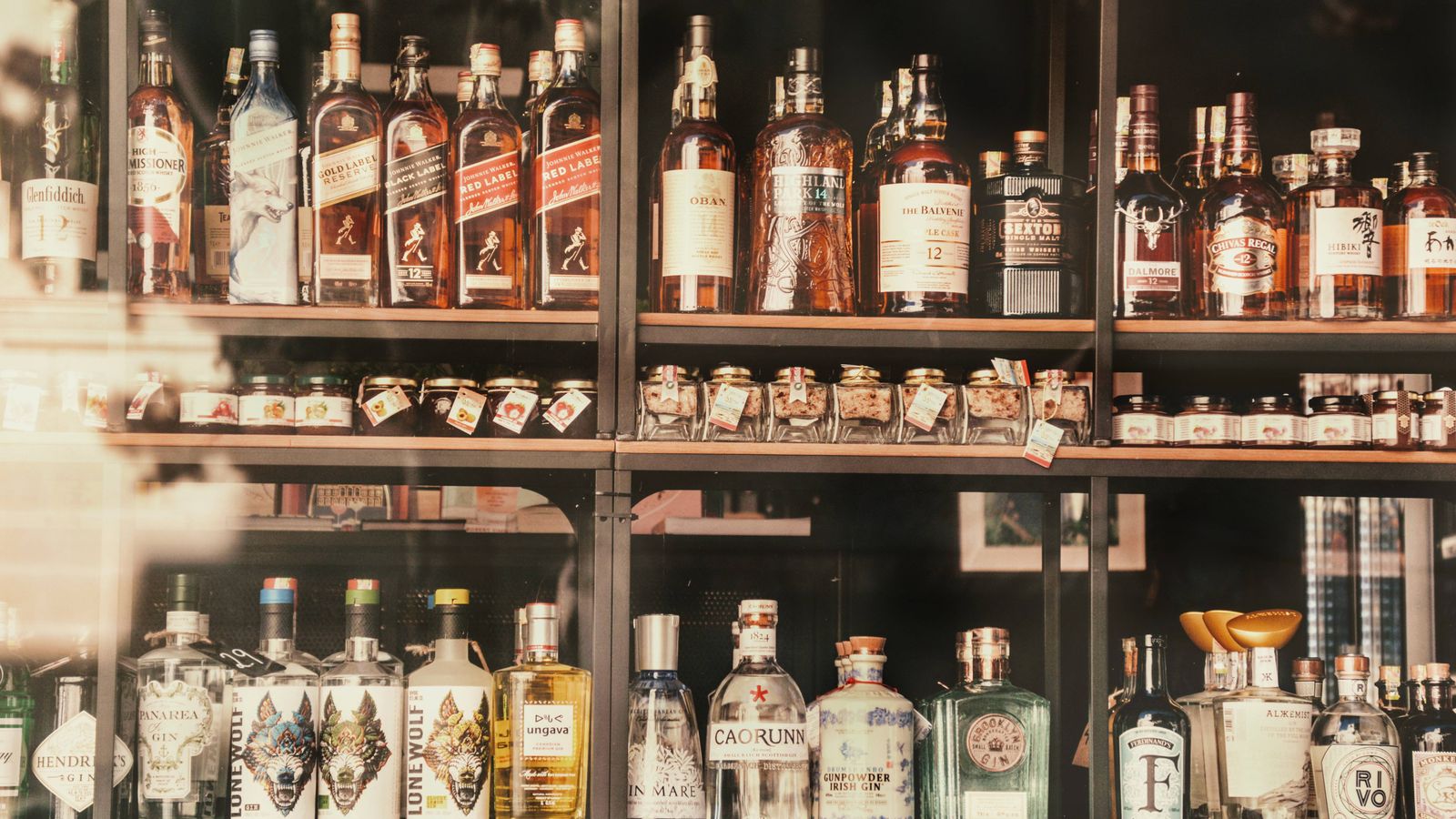
A diverse selection of liquor bottles elegantly displayed on shelves in Valletta, Malta.
State law restricts hemp THC beverages to licensed cannabis channels
New York law prohibits the sale of hemp-derived intoxicating cannabinoid products, including THC beverages, outside of state-licensed adult-use or medical cannabis retailers. The restriction stems from New York's Cannabis Law, which classifies any cannabinoid product intended for intoxication as a cannabis product subject to Office of Cannabis Management (OCM) oversight and licensing requirements.
Cannabis Law §3 defines "adult-use cannabis products" to include hemp-derived delta-9 THC beverages when marketed for psychoactive effects, regardless of the agricultural source of the cannabinoid. No separate retail pathway exists for hemp-derived intoxicants.
Yet OCM officials acknowledged in September 2026 that unlicensed retailers—convenience stores, bodegas, smoke shops—continue to stock and sell hemp THC beverages without consequence. The agency didn't specify the volume of illegal sales or the number of retailers involved.
Enforcement gap widens as licensed operators lose market share
The spread of unlicensed hemp THC beverage sales has created a competitive disadvantage for licensed cannabis retailers, who face compliance costs and inventory restrictions that unlicensed sellers avoid. Licensed operators pay application fees, annual licensing fees, and excise taxes on cannabis products. Unlicensed hemp retailers face no such burdens under current enforcement practice.
New York's adult-use cannabis excise tax structure imposes a 9% state excise tax plus a potency-based tax on THC content. Licensed retailers selling a 10mg THC beverage pay roughly $1.50 in combined state and local excise taxes per unit. Unlicensed hemp retailers selling functionally identical products? Zero excise tax.
OCM has issued fewer than 200 adult-use retail licenses statewide as of September 2026. Estimates suggest thousands of unlicensed retailers are selling hemp-derived intoxicants. The agency hasn't published enforcement statistics showing inspections, violations, or penalties against unlicensed hemp retailers in 2026.
Regulatory authority and enforcement timeline remain unclear
OCM officials stated in September 2026 that enforcement action against unlicensed hemp THC beverage sales is coming, but didn't provide a timeline or specify the legal mechanism for such action. The agency has statutory authority under Cannabis Law §131 to issue cease-and-desist orders and impose civil penalties up to $10,000 per violation for unlicensed cannabis sales.
Jurisdictional questions persist, though. Hemp products containing less than 0.3% delta-9 THC by dry weight fall under federal and state agricultural hemp programs, not cannabis regulation. Many hemp THC beverages on New York shelves claim compliance with the 0.3% threshold on a per-serving or per-container basis, though the state's position is that any intoxicating cannabinoid product requires cannabis licensing regardless of concentration.
The next enforcement signal will be whether OCM issues public notices of violation or files administrative actions against named retailers. For full background on this story, see the CannIntel topic hub on New York hemp THC enforcement. Until OCM publishes enforcement data or case filings, the gap between stated policy and observed retail practice will keep widening.
Sources
The cannabis newsletter you forward to your team.
Federal policy, market data, grower alerts, and the one story that matters today. Sent every weekday at 7am. Free.
No spam. Unsubscribe with one click. 21+ only.
Related from Laws

Vermont Lt. Gov. Rodgers Settles Cannabis Grow Violation With Reduced Fine
John Rodgers will pay a lower penalty after state regulators found violations at his cultivation business.
Antigua & Barbuda's Cannabis Framework Marks Eight-Year Evolution
The Caribbean nation's regulatory structure has progressed from decriminalization in 2018 to a licensing regime targeting economic diversification.
San Francisco Releases Draft Cannabis Cafe Rules for Public Comment
City officials seek input on operational standards for on-site consumption venues authorized under AB 1775.
More from the newsroom

Ohio identifies Vapen cartridge in health complaints, store closure
Vext names product after state investigation triggers dispensary shutdown and patient reports.

Teen Cannabis Surveys Miss Rising Use Disorder, Kaiser Study Finds
Self-reported adolescent consumption data diverge from clinical diagnoses, masking treatment gaps in legalized states.

High Tide Reports Record Q3 2026 Revenue, Details Withheld
Canadian cannabis retailer announces record third-quarter results but withholds key financial metrics in initial disclosure.