Pakistan Approves CCRA Rules 2026, Legalizing Commercial Cannabis
Federal regulations finalize framework for cultivation, processing, and sale under the Cannabis Control and Regulatory Authority.
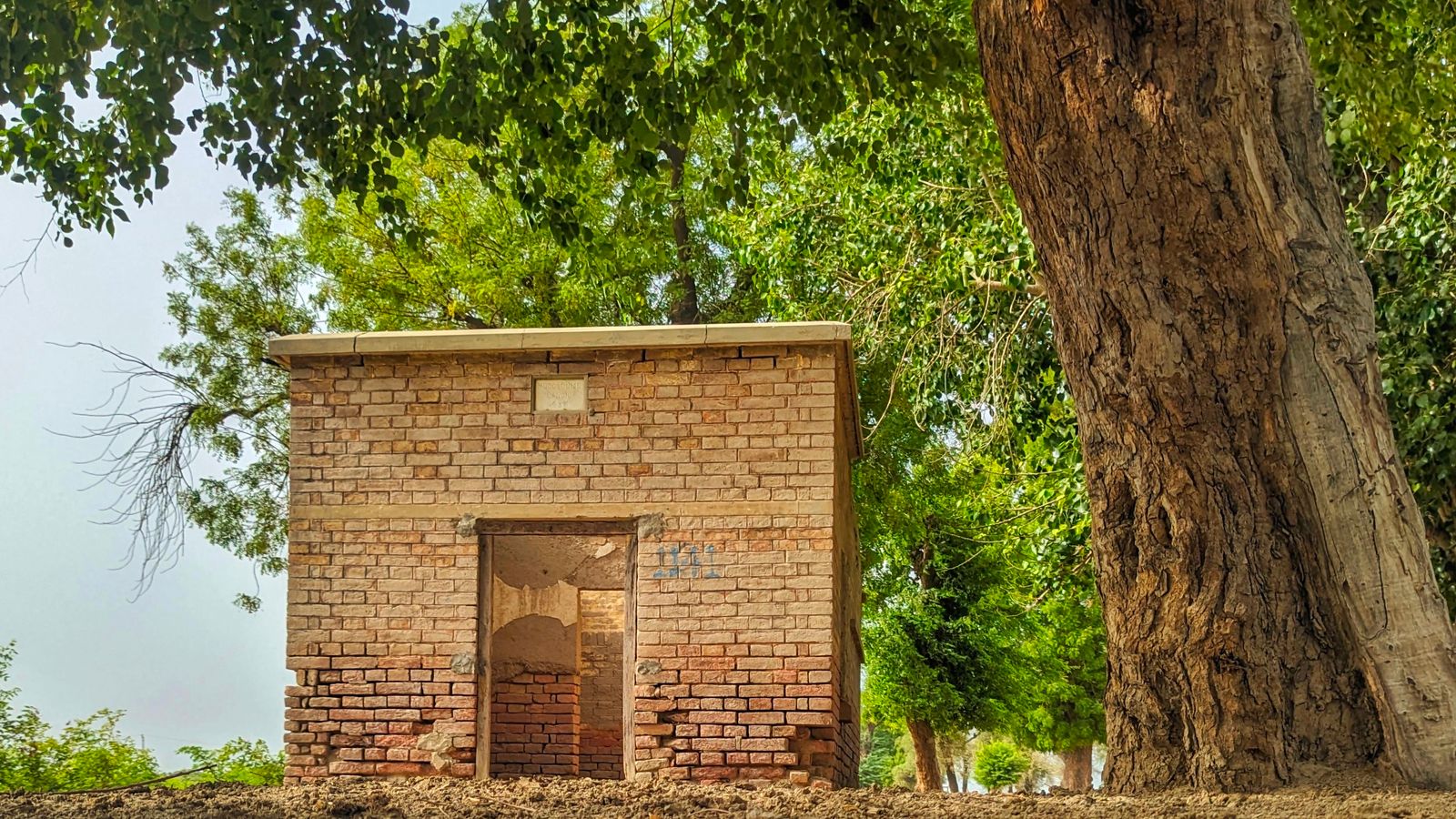
An abandoned brick building surrounded by lush trees in Kandiāro, Sindh, Pakistan, showcasing rural architecture.
Regulatory Framework Finalized After Two-Year Delay
The CCRA Rules 2026 provide the operational framework that the enabling statute lacked, including licensing categories, cultivation limits, and quality-control protocols. The Cannabis Control and Regulatory Authority Act, enacted in February 2024, authorized the creation of a federal regulatory body but deferred implementation details to subsequent rules. Those rules were published in the official gazette on July 2, 2026, according to Business Recorder.
The delay reflected inter-ministerial disputes over tax revenue allocation and provincial jurisdiction. Final rules assign licensing authority exclusively to the federal CCRA, overriding earlier drafts that proposed a provincial opt-in model similar to Canada's framework.
Commercial Licensing Categories and Application Process
The rules establish five licensing tiers: cultivation, processing, manufacturing, wholesale distribution, and retail sale. Each tier requires separate application and annual renewal fees ranging from PKR 500,000 (approximately USD 1,800) for retail to PKR 5 million (USD 18,000) for large-scale cultivation licenses exceeding 10 hectares.
Applicants must demonstrate financial solvency, pass criminal background checks, and submit facility security plans. Vertical integration is permitted—a single entity may hold multiple license types—but cross-ownership with pharmaceutical companies isn't allowed under anti-monopoly provisions.
Applications open August 1, 2026. The CCRA promises a 90-day processing window, with priority review available for existing industrial hemp license-holders who operated under the 2020 Hemp Cultivation Rules.
Cultivation Caps and Geographic Restrictions
Outdoor cultivation is capped at 25 hectares per license; indoor operations face no acreage limit but must meet energy-efficiency benchmarks. Khyber Pakhtunkhwa, Punjab, and Balochistan are approved cultivation zones. Sindh and Azad Kashmir are excluded pending environmental impact assessments.
Cultivators must install real-time GPS tracking for all plants exceeding 30 days of growth. The tracking requirement mirrors systems in Colorado and Israel, designed to prevent diversion to illicit markets. Non-compliance triggers automatic license suspension.
THC Limits and Product Standards
Finished products for adult use are capped at 15% THC by dry weight; medical products face no THC ceiling but require physician authorization. Edibles are limited to 10 mg THC per serving and 100 mg per package. Concentrates and extracts are prohibited for recreational sale but permitted for medical use and export.
All products must undergo third-party lab testing for potency, pesticides, heavy metals, and microbial contamination. Initial accreditation standards mirror ISO 17025 protocols used in the European Union, and the CCRA will accredit testing laboratories directly.
Medical Access and Prescription Requirements
Physicians registered with the Pakistan Medical Commission may prescribe cannabis for 17 approved conditions, including chronic pain, epilepsy, and chemotherapy-induced nausea. That list expands the prior framework under the Controlled Substances Act, which limited cannabis prescriptions to palliative care.
Patients must obtain a medical cannabis card valid for 12 months, renewable upon physician re-certification. Cardholders may purchase up to 90 grams per month from licensed dispensaries. Home cultivation for medical use remains prohibited.
Tax Structure and Revenue Projections
A 15% federal excise tax applies to wholesale transactions, plus provincial sales taxes ranging from 10% to 17%. Combined effective tax rates will range from 25% to 32%, positioning Pakistan below Canada's 30-40% range but above Uruguay's 18% flat rate.
First-year tax revenue is projected at PKR 12 billion (USD 43 million), assuming 200 licensed cultivators and 500 retail outlets. That estimate relies on a conservative market-capture rate of 15%—meaning 15% of current illicit consumption shifts to legal channels in year one.
Revenue will fund the CCRA's operating budget, drug-treatment programs, and agricultural development grants in cultivation zones. No revenue is earmarked for criminal-justice reform or expungement of prior cannabis convictions, a gap that advocacy groups have criticized.
Enforcement and Penalties for Non-Compliance
Unlicensed cultivation or sale carries penalties of up to 10 years imprisonment and fines of PKR 1 million. Criminal sanctions under the Control of Narcotic Substances Act remain in force for non-licensed activity, but penalties for possession of under 30 grams drop from a mandatory minimum of two years to a maximum of six months or a fine.
A 200-person enforcement division will conduct unannounced inspections, seize non-compliant inventory, and refer cases to federal prosecutors. Enforcement priorities include diversion to minors, unlicensed exports, and tax evasion.
For full background on Pakistan's path to cannabis regulation, see the CannIntel topic hub on Pakistan CCRA Cannabis Regulations.
Next milestone: August 1. Applications open then, with first license approvals projected for November 2026. Retail sales could begin by Q1 2027 if supply-chain infrastructure scales as projected.
For complete background, history, and our ongoing coverage of this story:
Open the CannIntel topic hub →Sources
The cannabis newsletter you forward to your team.
Federal policy, market data, grower alerts, and the one story that matters today. Sent every weekday at 7am. Free.
No spam. Unsubscribe with one click. 21+ only.
Related from Laws

Bhumjaithai Party Advances Cannabis Control Bill in Thailand
Thailand's ruling party pushes legislation to regulate cannabis after 2022 decriminalization sparked regulatory confusion.
Virginia Recreational Marijuana Law Takes Effect With Retail Launch
The Commonwealth begins adult-use sales after five-year wait following 2021 legalization.

Illinois Senate Advances Cannabis Market Reform Bill
Legislation targeting license concentration and vertical integration moves to House after 38-17 committee vote.
More from the newsroom

High Tide Holds Steady as Cannabis Retail Sector Faces Volatility
Calgary-based retailer maintains operational stability while peers report margin pressure and store closures.
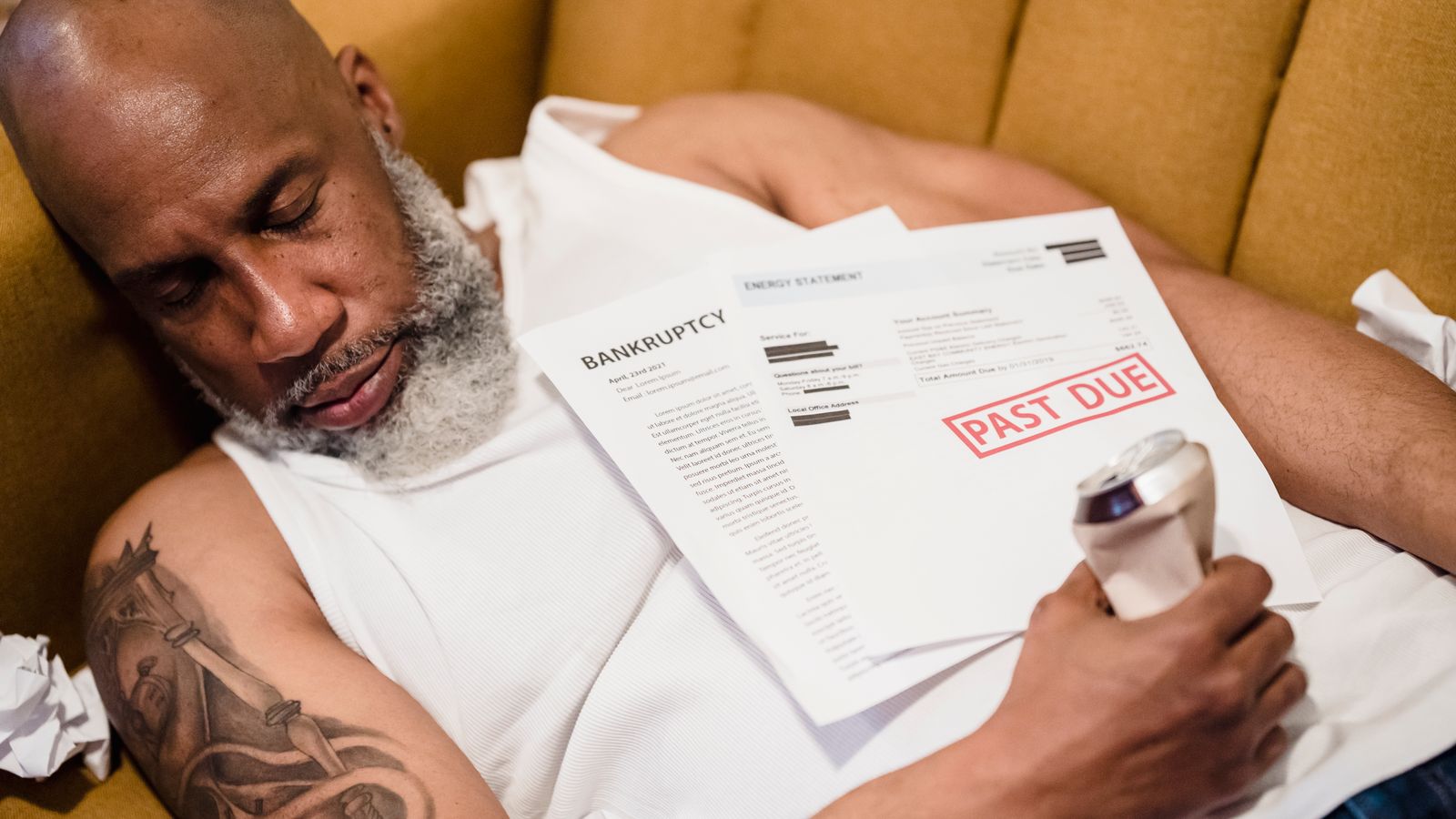
Study Links Recreational Marijuana Legalization to Lower Bankruptcy
New research finds personal bankruptcy filings decline in states after adult-use cannabis laws take effect.

Irish Criminologist Calls for End to Cannabis Criminalization
Dr. Ian Marder argues Ireland's drug enforcement model has failed and urges shift to health-based approach.