Osseo Residents Oppose Property Tax Funding for Proposed Dispensary
Local taxpayers push back on city plan to use public funds for cannabis retail infrastructure in suburban Minneapolis.
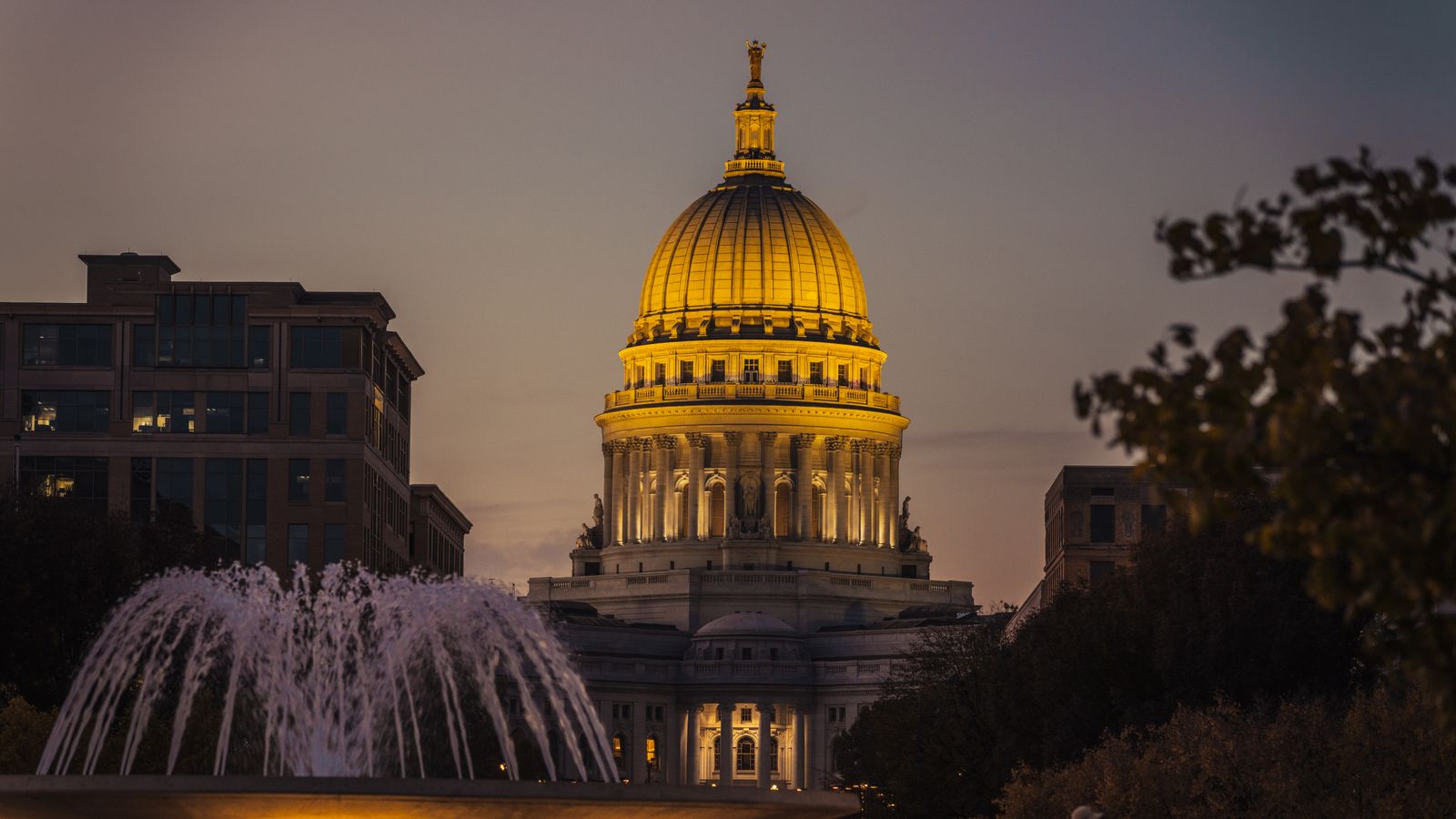
The Wisconsin State Capitol illuminated during twilight, showcasing its architectural beauty.
Public Backlash at City Meeting
At least one Osseo resident told city officials the property-tax funding plan is 'disgusting,' according to FOX 9 reporting from a July 9 public meeting. The comment reflects broader unease in the northwest Minneapolis suburb over whether local governments should shoulder infrastructure costs for private cannabis businesses. Osseo hasn't disclosed the dollar amount of the proposed tax allocation or which dispensary operator would benefit.
Minnesota's Retail Timeline Pressures Cities
Minnesota's Office of Cannabis Management has licensed dozens of dispensaries statewide since adult-use sales began in 2023, but many municipalities still lack zoning or utility infrastructure to support retail sites. Osseo's proposal appears aimed at accelerating site readiness. The city hasn't confirmed whether the funds would cover street improvements, utility extensions, or other public works tied to a specific dispensary location.
Property Tax Mechanics Remain Unclear
Details are scarce. The city hasn't published whether the tax allocation would function as a tax-increment financing (TIF) district, a general-fund appropriation, or a special assessment tied to the dispensary parcel. TIF districts are common in Minnesota for economic-development projects but remain politically sensitive when applied to cannabis retail. Without clarity on the mechanism, residents can't calculate the per-household impact or duration of the funding commitment.
Suburban Dispensary Siting Challenges
Osseo joins a growing list of Twin Cities suburbs grappling with cannabis zoning and public-finance questions as the state program matures. Unlike urban cores where dispensaries often locate in existing commercial corridors, suburban sites frequently require new infrastructure — sidewalks, lighting, traffic signals. Cities must decide whether to fund these publicly or require operators to finance them. The political calculus is unsettled: some councils view dispensaries as revenue generators worth subsidizing, while others see them as private ventures that should bear full infrastructure costs.
The Osseo dispute is a microcosm of the financing tension playing out across Minnesota's suburban ring, where cities want retail tax revenue but residents resist upfront public investment in cannabis infrastructure.
No Vote Timeline Announced
Osseo officials haven't set a date for a formal vote on the tax-funding proposal. The city hasn't identified the dispensary operator or site address. Public meetings in Minnesota municipalities typically precede formal council action by several weeks, suggesting a vote could occur in late July or August if the proposal advances. Resident opposition may delay or reshape the plan.
Statewide Precedent Questions
If Osseo proceeds with property-tax funding, it would set a precedent that other Minnesota cities could follow — or cite as a cautionary tale. No comprehensive survey exists of how many Minnesota municipalities have used public funds to support dispensary infrastructure, but anecdotal reporting suggests most rely on private financing or developer agreements. Cannabis remains divisive in suburban electorates, and tax-funded subsidies can galvanize opposition even in communities that voted to legalize.
What Happens Next
Watch for Osseo to release formal budget documents or TIF-district filings that detail the funding structure and dollar commitment. Resident pushback could force the city to abandon the plan, scale it back, or require the dispensary operator to reimburse public costs through a development agreement. For context on Minnesota's evolving cannabis program and municipal challenges, see the CannIntel topic hub on Minnesota Cannabis Program. Expect wide variance in how Minnesota cities finance retail infrastructure as the program expands.
For complete background, history, and our ongoing coverage of this story:
Open the CannIntel topic hub →Frequently asked questions
Why is Osseo considering property tax funding for a dispensary?
The city has not explained its rationale publicly, but the proposal likely aims to accelerate site readiness by covering infrastructure costs such as street improvements or utility extensions. Many suburban Minnesota sites lack the infrastructure to support cannabis retail without public investment.
What type of tax mechanism would Osseo use?
Unknown. The city has not disclosed whether the funding would come from a tax-increment financing district, general-fund appropriation, or special assessment. TIF districts are common in Minnesota for economic development but politically sensitive for cannabis projects.
How much would the funding cost Osseo taxpayers?
The city has not released a dollar figure or per-household impact estimate. Without details on the funding mechanism and duration, residents cannot calculate the cost or assess whether the dispensary's future tax revenue would offset the upfront investment.
When will Osseo vote on the proposal?
No vote date has been set. Public meetings in Minnesota typically precede formal council votes by several weeks, suggesting a decision could come in late July or August if the proposal advances.
Could other Minnesota cities follow Osseo's approach?
Yes, if Osseo proceeds. The plan could set a statewide precedent for tax-funded cannabis infrastructure, though resident opposition in Osseo may deter other cities from attempting similar subsidies given the political risk in suburban electorates.
Sources
The cannabis newsletter you forward to your team.
Federal policy, market data, grower alerts, and the one story that matters today. Sent every weekday at 7am. Free.
No spam. Unsubscribe with one click. 21+ only.
Related from Laws

California's Illegal Cannabis Market Still Dwarfs Legal Sales, WSJ Reports
Eight years after legalization, unlicensed operators continue to dominate California's cannabis economy despite state enforcement efforts.

Virginia Faces Question Over Whether Sales Were Accidentally Legalized
A statutory interpretation gap has raised questions about the legal status of marijuana sales in Virginia.
Nebraska AG Discusses Medical Cannabis Regulations Ahead of 2026 Launch
Attorney General Mike Hilgers outlined enforcement priorities and compliance framework for the state's nascent medical cannabis program.
More from the newsroom
Oregon Task Force Busts Rural Black-Market Cannabis Grow
Multi-agency enforcement team dismantled an unlicensed cultivation operation in rural Oregon on July 10, 2026.

Hair Drug Test Positivity Rate Hits 20% Among U.S. Workers in 2025
One in five American employees tested positive for drugs via hair analysis last year, marking the highest rate in over a decade.

Massachusetts Cannabis Repeal Petition Qualifies for 2026 Ballot
A citizen initiative to repeal adult-use cannabis legalization has cleared signature thresholds, but a new legal objection threatens to delay or block the measure.