Oregon Task Force Busts Rural Black-Market Cannabis Grow
Multi-agency enforcement team dismantled an unlicensed cultivation operation in rural Oregon on July 10, 2026.
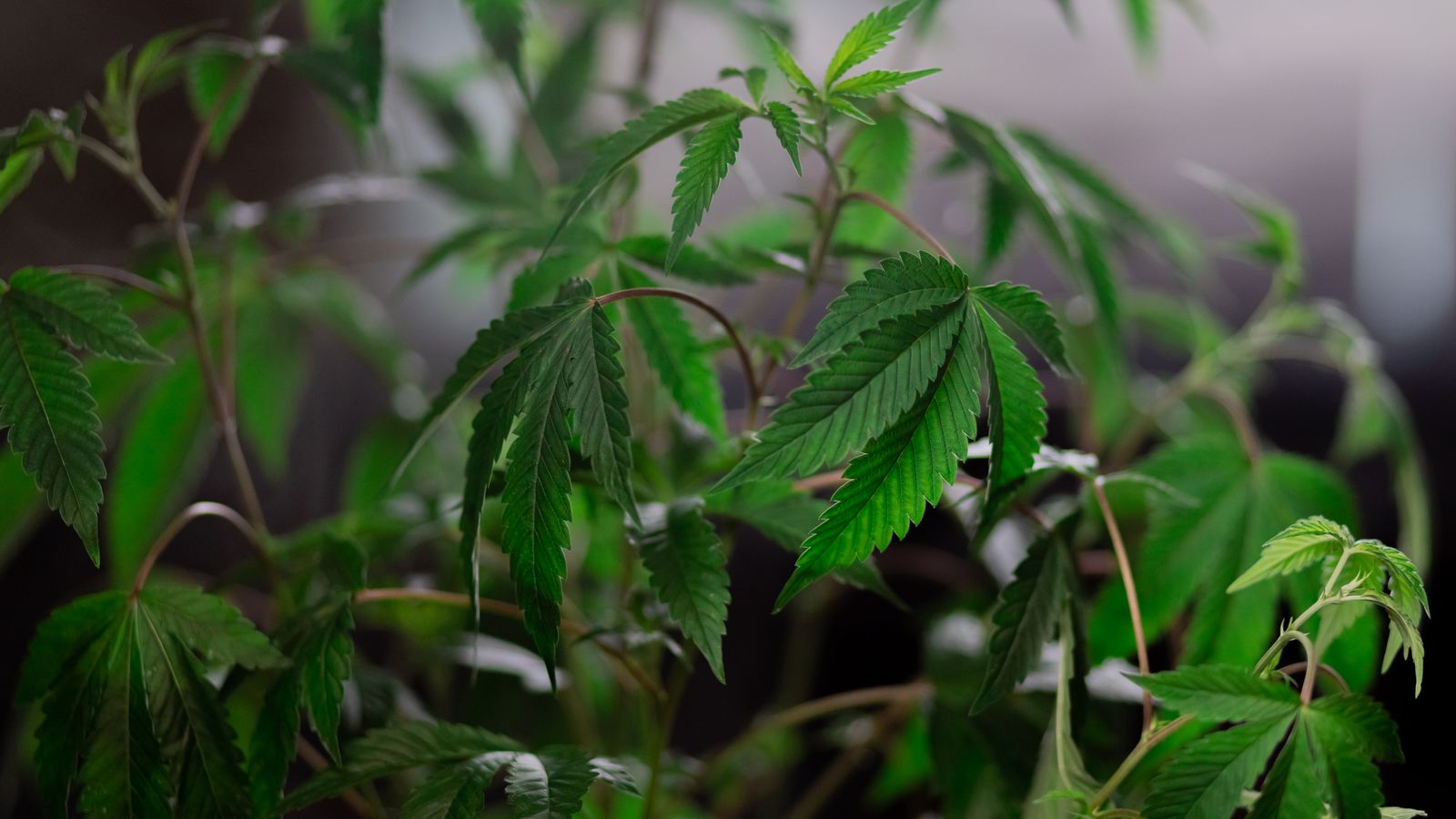
Close-up of vibrant cannabis leaves in soft focus, emphasizing natural growth and lush greenery.
Task Force Executes Warrant on Unlicensed Grow Site
Oregon law enforcement executed a search warrant on an unlicensed cannabis cultivation site in a rural county on July 10, 2026. Officers from multiple state and local agencies coordinated under Oregon's cannabis enforcement task force framework. They seized cultivation equipment, plants, and processed cannabis from the property, though the exact plant count and processed weight haven't been disclosed by the lead agency.
Oregon's task force model typically includes personnel from the Oregon Liquor and Cannabis Commission (OLCC), county sheriff's offices, and the Oregon State Police. These joint operations target grows operating without OLCC producer licenses, which are required for all commercial cannabis cultivation in the state under ORS 475C.065.
Rural counties in Oregon have seen a surge in unlicensed cultivation since 2020, driven by interstate trafficking demand and the gap between wholesale prices in regulated markets and black-market prices in prohibition states. For full background on this story, see the CannIntel topic hub on Oregon Black Market Enforcement.
Black-Market Grows Strain Local Resources and Undercut Legal Operators
Unlicensed cannabis operations in Oregon's rural counties have drawn scrutiny for their impact on water supplies, electrical grids, and the economic viability of licensed cultivators. Many black-market grows divert water from streams and rivers during the dry season, threatening fish habitat and agricultural irrigation. Illegal electrical hookups and diesel generators create fire hazards and carbon emissions.
The proliferation of unlicensed grows in southern and eastern Oregon has become a resource drain for counties with limited law-enforcement budgets and a direct threat to the sustainability of the regulated market.
Licensed producers in Oregon face strict environmental compliance requirements—water-use permits, pesticide restrictions, and energy audits. Black-market operators bypass these costs entirely, allowing them to sell wholesale flower at prices that undercut compliant businesses. In its 2025 annual enforcement summary, the OLCC reported that unlicensed cultivation remains the most common violation type referred for criminal prosecution, accounting for 38 percent of all enforcement actions.
Oregon's wholesale cannabis prices have dropped steadily since 2021. Outdoor-grown flower averaged $350 per pound in June 2026, according to OLCC market data. Licensed cultivators argue that black-market competition is a primary driver of price compression, as unlicensed operators flood the wholesale market with untested product sold through informal distribution networks.
Enforcement Priorities and Next Steps
The July 10 bust follows a pattern of increased rural enforcement in Oregon during the 2026 outdoor growing season. OLCC and its law-enforcement partners have prioritized unlicensed cultivation in counties with high complaint volumes and documented environmental impacts. Jackson, Josephine, and Klamath counties have been focal points for task force operations since the spring.
No arrests were announced in connection with the July 10 raid as of publication. Oregon's enforcement protocol typically involves seizing plants and equipment on-site, followed by criminal referrals to county district attorneys for potential charges under ORS 475C.337, which makes unlicensed commercial cultivation a Class B felony punishable by up to ten years in prison and fines up to $250,000.
OLCC hasn't released the specific county where the July 10 operation took place, citing an ongoing investigation. The agency is expected to provide additional details—including plant counts and any criminal charges filed—in a public enforcement report scheduled for release in August 2026.
Licensed cultivators and industry advocates continue to press state legislators for increased enforcement funding and penalties for unlicensed operators. A bill introduced in the 2026 legislative session, HB 3401, would allocate an additional $5 million annually to the OLCC's enforcement division and establish mandatory minimum sentences for repeat unlicensed cultivation offenders. It remains in committee as of July 2026.
Frequently asked questions
What penalties do unlicensed cannabis cultivators face in Oregon?
Unlicensed commercial cannabis cultivation in Oregon is a Class B felony under ORS 475C.337, punishable by up to ten years in prison and fines up to $250,000. Repeat offenders face enhanced penalties, and civil asset forfeiture can apply to property and equipment used in the operation.
Why are black-market cannabis grows a problem in Oregon?
Black-market grows bypass environmental compliance, water-use permits, and pesticide restrictions, creating resource strain and fire hazards. They undercut licensed cultivators by selling untested product at prices below compliant operators' costs, destabilizing the regulated wholesale market.
Which Oregon counties have the most unlicensed cannabis enforcement activity?
Jackson, Josephine, and Klamath counties in southern Oregon have been focal points for task force operations targeting unlicensed cultivation since 2020. These counties have high complaint volumes and documented environmental impacts from illegal grows.
What is the Oregon Liquor and Cannabis Commission's role in enforcement?
The OLCC issues cannabis licenses, conducts compliance inspections, and coordinates multi-agency task forces with county sheriffs and Oregon State Police to investigate and dismantle unlicensed operations. The agency refers criminal cases to county district attorneys for prosecution.
How much does wholesale cannabis cost in Oregon in 2026?
Outdoor-grown cannabis flower averaged $350 per pound wholesale in Oregon in June 2026, according to OLCC market data. Prices have declined steadily since 2021 due to oversupply and black-market competition.
Sources
The cannabis newsletter you forward to your team.
Federal policy, market data, grower alerts, and the one story that matters today. Sent every weekday at 7am. Free.
No spam. Unsubscribe with one click. 21+ only.
Related from Laws

White House Releases Long-Overdue 2026 Federal Rulemaking Agenda
The administration published its unified regulatory agenda Monday after a six-month delay, with implications for pending cannabis rules.

EU Excludes Cannabis From New Genomic Editing Rules Under NGT Regulation
The European Union's new NGT Regulation explicitly bars cannabis from streamlined gene-editing pathways, preserving strict GMO oversight.

Former Trump Official Pushes Hemp THC Ban in New Policy Brief
A former Trump administration drug policy adviser is calling for federal action to close the hemp THC loophole created by the 2018 Farm Bill.
More from the newsroom

Releaf Becomes First B Corp Certified Medical Cannabis Company
UK-based Releaf earns B Corp status, setting a corporate governance benchmark for the global cannabis sector.

Curaleaf Secures First Approval for Standardized Cannabis Product
The MSO's regulatory clearance marks a shift toward pharmaceutical-grade cannabis in U.S. markets.

Pennsylvania Budget Signed Without Adult-Use Cannabis Provisions
Governor Josh Shapiro signed Pennsylvania's fiscal 2026-27 budget after weekend legislative sessions, but adult-use legalization language was stripped from the final package.