Oregon Attorney General Meets Law Enforcement on Illegal Grows
State's top prosecutor convenes local sheriffs and police to coordinate crackdown on unlicensed cannabis operations.
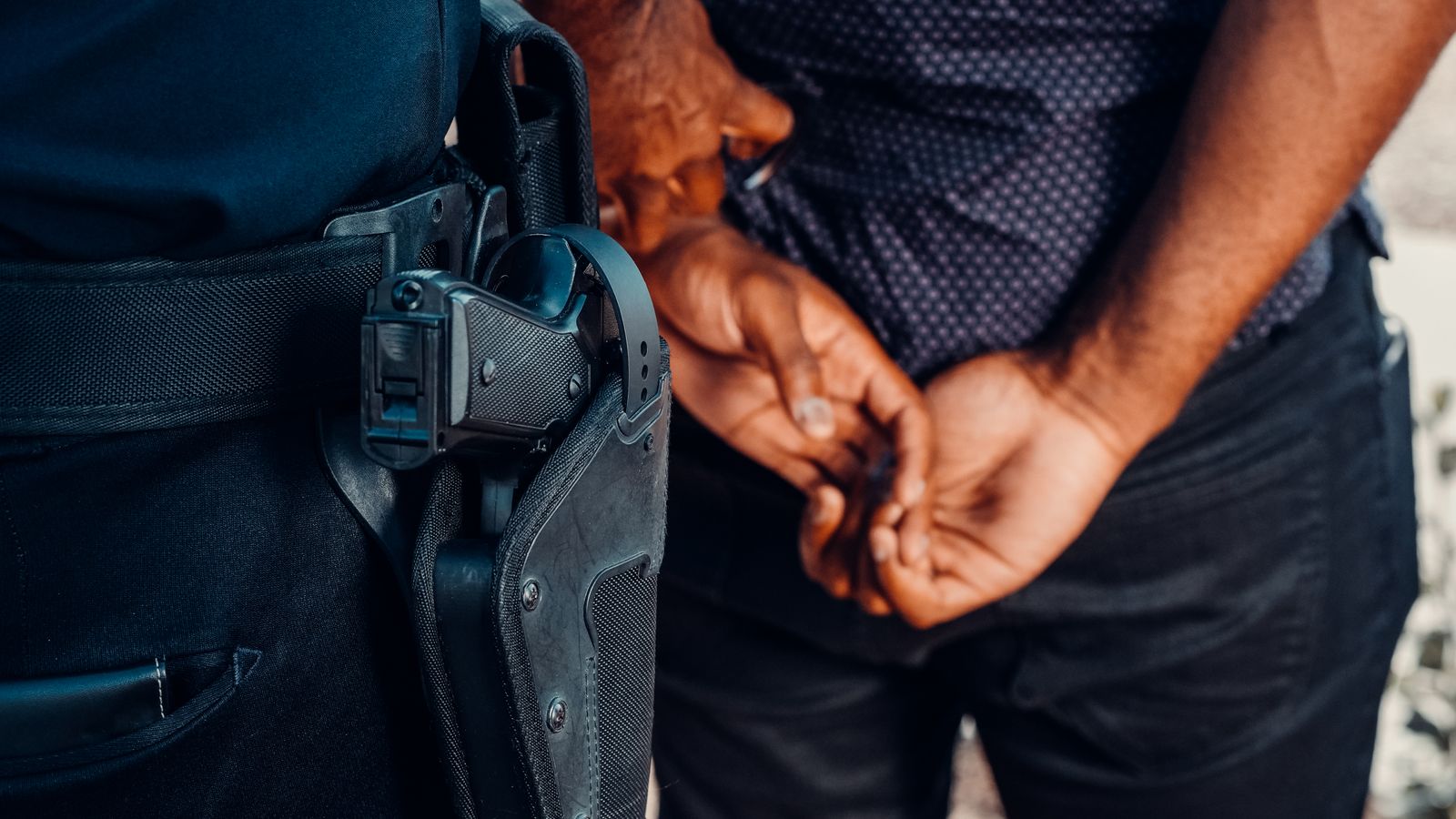
Close-up of a police officer arresting a suspect with visible firearm outdoors.
Enforcement Summit Targets Unlicensed Cultivation
The Attorney General's office convened sheriffs and police chiefs from multiple Oregon counties to align resources and intelligence-sharing protocols for illegal grow operations. The meeting comes as state and federal agencies report persistent black-market cultivation in southern Oregon. Water scarcity and fire risk compound the public-safety concerns tied to unlicensed farms.
Oregon legalized adult-use cannabis in 2014 under Measure 91, but enforcement gaps and jurisdictional friction between state regulators and county law enforcement have allowed illegal grows to persist. The Oregon Liquor and Cannabis Commission holds regulatory authority over licensed operators but lacks direct enforcement power over criminal enterprises.
Local sheriffs in Jackson and Josephine counties have reported resource strain from investigating large-scale unlicensed grows, many of which operate on remote parcels with minimal water rights and no environmental permits. Federal agencies including the Bureau of Land Management and U.S. Forest Service have documented illegal operations on public lands, creating coordination challenges across jurisdictional lines.
Water Theft and Environmental Damage Drive Local Concern
Illegal cannabis farms in southern Oregon have drawn water from streams and aquifers without permits, exacerbating drought conditions and harming salmon habitat. State water regulators issued curtailment orders in 2025 and 2026 affecting legal agricultural users. Meanwhile, unlicensed growers operated outside the permitting system entirely.
The Oregon Department of Environmental Quality documented sediment runoff and pesticide contamination linked to unpermitted cultivation sites in the Rogue River basin. Those findings prompted calls from environmental groups and licensed cultivators for stricter enforcement and higher penalties for water theft.
Licensed operators argue that illegal grows undercut compliant businesses by avoiding the costs of water rights, environmental permits, and state excise taxes. Oregon's legal cannabis market has faced price compression and oversupply since 2018, with wholesale flower prices falling below $500 per pound in some quarters.
Multi-Agency Task Force Expected to Follow
The Attorney General's office is expected to announce a multi-agency task force pairing state prosecutors with county sheriffs and federal land-management investigators. That structure would mirror enforcement models used in California's Siskiyou and Humboldt counties, where joint operations have resulted in hundreds of arrests and property seizures since 2022.
Oregon statute ORS 475C.773 authorizes civil penalties up to $10,000 per violation for unlicensed cannabis production. Criminal prosecution, however, requires coordination between district attorneys and state agencies. The Attorney General's office has direct authority to prosecute organized-crime cases under ORS 166.720, which could apply to large-scale trafficking operations tied to illegal grows.
The next enforcement signal? Whether the state allocates additional funding for rural sheriffs' offices, which have cited staffing shortages as a barrier to investigating remote cultivation sites. For full background on this story, see the CannIntel topic hub on illegal cannabis grows.
Sources
The cannabis newsletter you forward to your team.
Federal policy, market data, grower alerts, and the one story that matters today. Sent every weekday at 7am. Free.
No spam. Unsubscribe with one click. 21+ only.
Related from Laws

Texas Cannabis Companies File Competing Lawsuits Over THC Sales Rights
Hemp and medical marijuana operators clash in court over who can legally sell THC products under state law.

Mendocino Cannabis Raids Show Different Agencies Leading Enforcement
Two separate operations this week highlight the fractured enforcement landscape in California's cannabis country.

Alabama Withdraws Opposition to Federal Marijuana Rescheduling
The state becomes the first Schedule III objector to reverse course as the DEA process enters its final phase.
More from the newsroom

Toronto man acquitted in choking attack after cannabis-psychosis defense
Ontario court accepts psychiatric testimony that defendant experienced cannabis-induced psychosis or sleepwalking during assault on child.
Hong Kong Customs Seizes Record HK$125M Marijuana Shipment, Arrests Three
The maritime seizure marks Hong Kong's largest cannabis bust by value, underscoring persistent smuggling despite the city's zero-tolerance stance.
New York Cannabis Faces Enforcement Wave as Legal Market Matures
A week of cultural milestones, regulatory enforcement, and commercial expansion signals the state's adult-use market entering a new operational phase.