Minnesota Home Grow Rights Face Federal Threat Under DEA Rescheduling Rule
DEA's proposed Schedule III rule could override state law allowing home cultivation for medical patients.

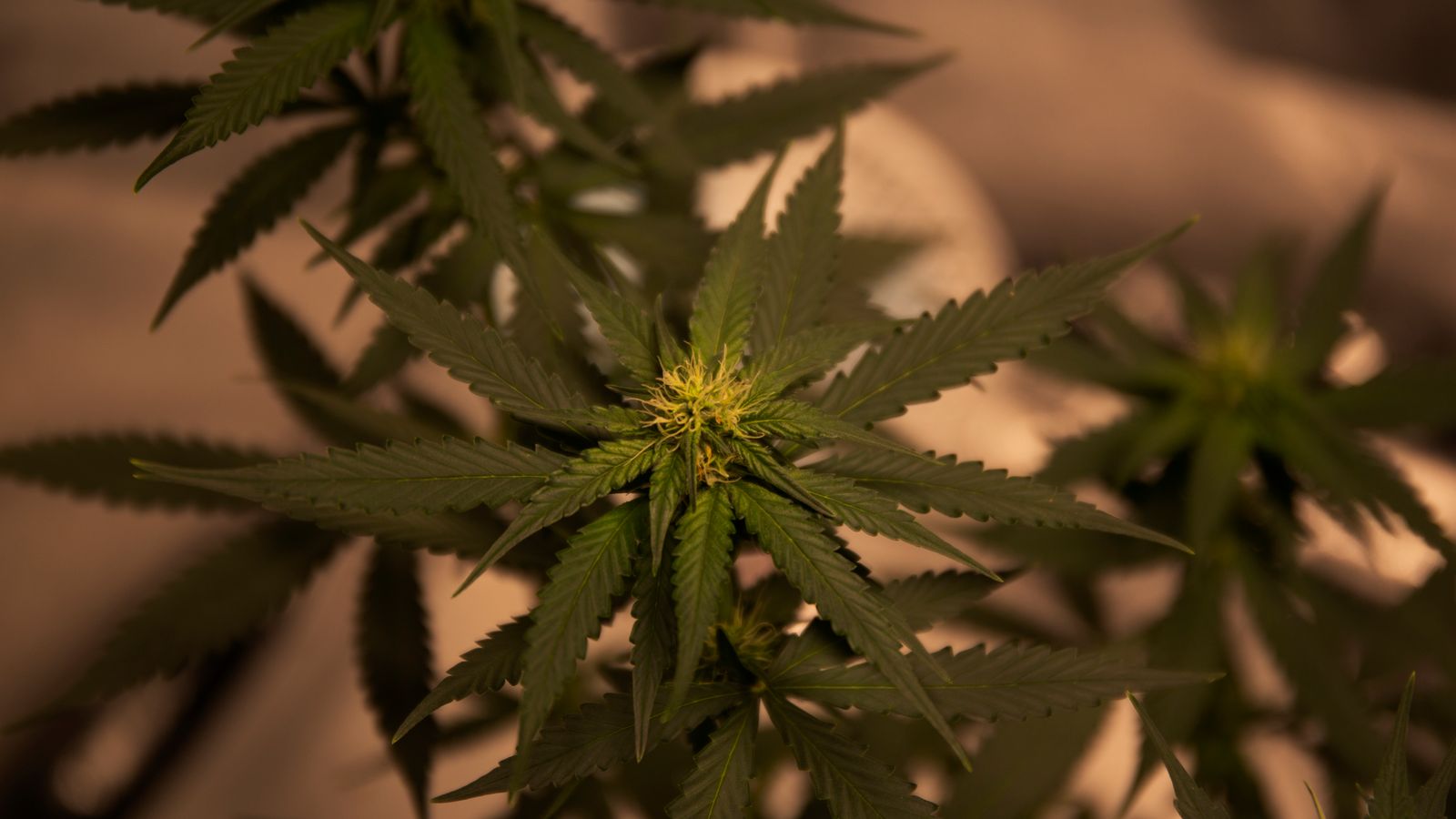
Detailed close-up of green cannabis leaves, showcasing their unique serrated edges.
Federal Rule Conflicts With State Home Grow Authorization
The DEA's Notice of Proposed Rulemaking (NPRM) to move cannabis from Schedule I to Schedule III would prohibit home cultivation, directly conflicting with Minnesota Statutes § 152.22, subdivision 6, which grants medical patients the right to grow cannabis at home. Minnesota legalized home cultivation for medical patients in 2024 after years of advocacy by patient groups who argued dispensary prices remained prohibitively high.
Under a strict reading of the Controlled Substances Act, Schedule III substances may only be manufactured by DEA-registered entities. Personal cultivation doesn't qualify. The federal rule would preempt state authorization under the Supremacy Clause.
Minnesota's Office of Cannabis Management (OCM) hasn't issued guidance on how patients should respond if the rule is finalized. The agency didn't respond to requests for comment by publication time.
38,000 Patients Currently Enrolled in Home Grow Program
Minnesota's medical cannabis registry shows 38,000 active patients, with OCM data indicating approximately 22% have registered home cultivation sites as of May 2026. That's roughly 8,400 patients. They're permitted to grow up to eight plants, with four in the flowering stage, under current state law.
The state doesn't track aggregate plant counts. But if the average registered cultivator maintains six plants, the rule would affect more than 50,000 individual plants statewide.
Patients who invested in grow equipment face immediate financial loss if the federal rule takes effect. Lights, ventilation, tents. No state reimbursement mechanism exists.
Rescheduling Timeline Creates Compliance Gap
The DEA's public comment period on the NPRM closed April 15, 2026, with a final rule expected by Q3 2026. If finalized, the rule would take effect 30 days after Federal Register publication, creating a narrow window for state legislative response.
Minnesota's 2026 legislative session ended May 19. The next regular session doesn't convene until January 2027, leaving an eight-month gap during which patients would face enforcement risk with no state-level remedy.
Governor Tim Walz hasn't indicated whether he'd call a special session to address the conflict. His office referred questions to OCM.
Federal Enforcement Posture Remains Unclear
The DEA hasn't clarified whether it will actively enforce Schedule III manufacturing restrictions against individual home cultivators in states with legal programs. Historical enforcement patterns under Schedule I focused on large-scale operations and interstate trafficking. Not small patient grows.
But Schedule III brings tighter registration and record-keeping requirements. DEA-registered manufacturers must maintain detailed logs under 21 CFR § 1304.21. Home patients can't meet those standards.
Federal prosecutors retain discretion. The 2013 Cole Memo was rescinded in 2018 but informally observed by some U.S. Attorneys, deprioritizing enforcement in compliant state programs. No equivalent guidance exists for Schedule III.
State Lawmakers Weigh Legislative Fix
Minnesota State Senator Lindsey Port (DFL-Burnsville), who authored the 2024 home grow provision, said she's drafting a bill to preserve patient rights if the federal rule is finalized. The bill would create a state-funded legal defense fund for patients charged federally for compliant home grows.
"We fought for two years to give patients this right," Port said in a May 28 statement. "We're not giving it up without a fight."
The bill has no Republican co-sponsors. Senate Minority Leader Mark Johnson (R-East Grand Forks) said his caucus wouldn't support a measure that "encourages Minnesotans to break federal law."
What Patients Should Watch
Patients should monitor the Federal Register for the final DEA rule, expected between July and September 2026. Once published, the 30-day effective date begins. Patients in active cultivation at that point would technically be in violation of federal law, regardless of state authorization.
For more background on Minnesota's medical cannabis framework and home grow provisions, see the CannIntel topic hub on Minnesota home grow rights.
The next legislative session opens January 2027. Until then, patients have no state remedy if federal enforcement begins.
Sources
The cannabis newsletter you forward to your team.
Federal policy, market data, grower alerts, and the one story that matters today. Sent every weekday at 7am. Free.
No spam. Unsubscribe with one click. 21+ only.
Related from Laws

New Jersey Bill Eases Medical Dispensary Path to Adult-Use Sales
Legislation would streamline conversion process for existing medical cannabis operators seeking recreational licenses.

Menominee Dispensary Files Motion to Reconsider Ruling as License Cap Nears
A Menominee Nation dispensary operator has asked a federal judge to reconsider an adverse ruling as the tribe approaches its license cap.

DOJ Medical Marijuana Rule Faces New Legal Challenge
A fresh lawsuit targets the Justice Department's final rule on medical cannabis, escalating the regulatory fight over federal protections.
More from the newsroom
Vireo Growth Buys New York Cannabis Facility for $88.5 Million
Minnesota MSO closes seller-financed acquisition with Chicago Atlantic backing in New York's adult-use buildout.

Coco Coir Feeding Schedule: EC Targets and CalMag Timing
Commercial feeding protocols for coco from seedling through flush, with EC benchmarks, cation exchange considerations, and CalMag supplementation rates.

Indiana AG Rokita Files Challenge to Block DEA Marijuana Rescheduling
Todd Rokita joins multistate effort to halt federal cannabis reclassification before final rule takes effect.