Menominee Dispensary Files Motion to Reconsider Ruling as License Cap Nears
A Menominee Nation dispensary operator has asked a federal judge to reconsider an adverse ruling as the tribe approaches its license cap.

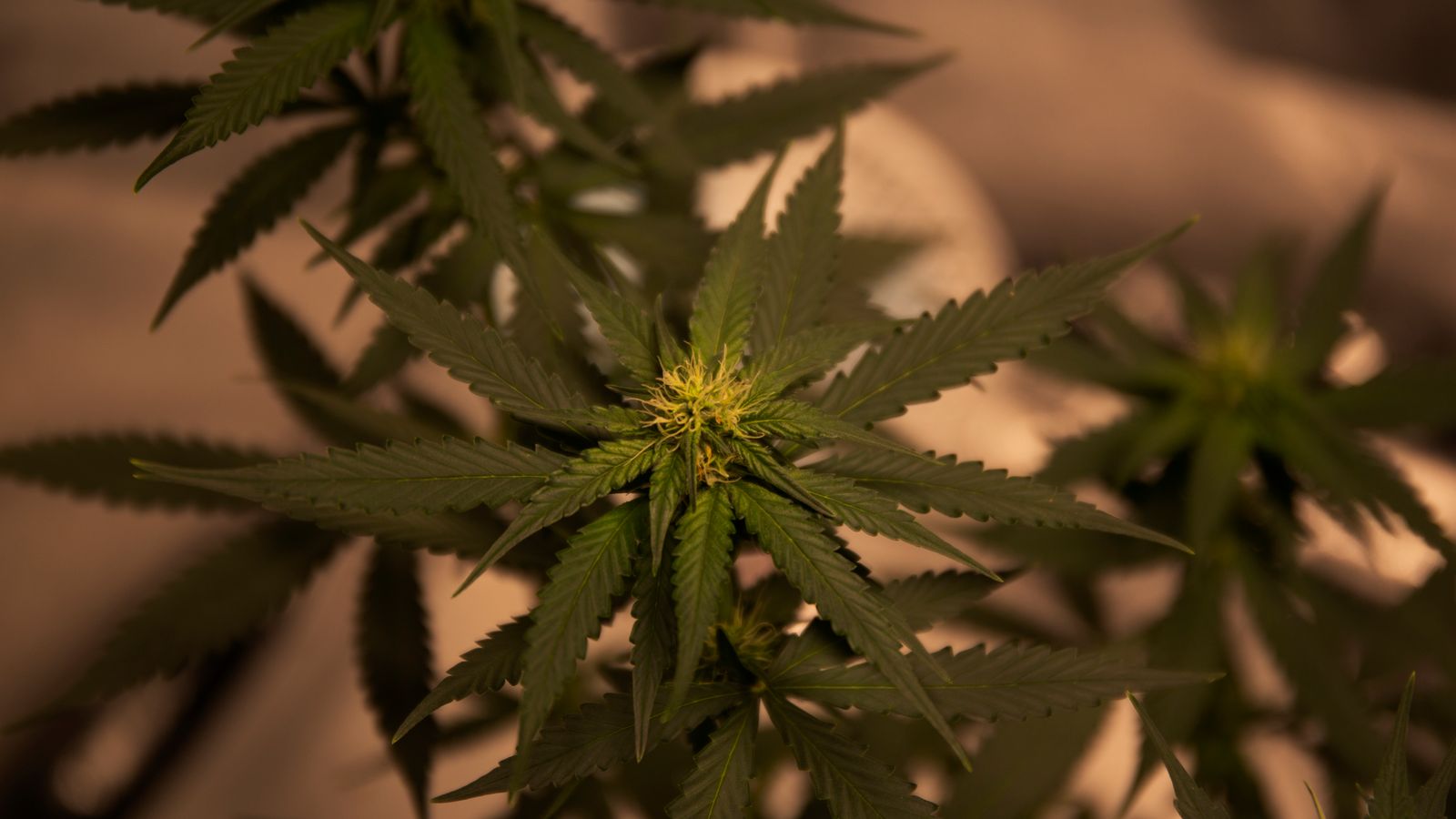
Close-up of hands holding cannabis buds, showcasing detail and texture.
Motion Filed as Tribal Licensing Window Narrows
The unnamed dispensary operator filed the reconsideration motion in federal district court on May 29, 2026, seeking to overturn a prior adverse ruling. The filing coincides with the Menominee Nation Cannabis Commission nearing its license cap, a threshold established under the tribe's cannabis regulatory framework adopted in 2023. The tribe exercises sovereign authority over cannabis commerce within reservation boundaries under the 2014 U.S. Department of Justice tribal cannabis memo, which remains in effect despite federal Schedule I classification.
The motion doesn't specify which federal district court received the filing or identify the presiding judge. The earlier ruling being challenged hasn't been publicly detailed in available court records. Menominee Nation operates under a limited-license model designed to prevent market saturation on the reservation, which spans approximately 235,000 acres in northeastern Wisconsin.
Timing matters. Once the tribe reaches its license cap, no new retail permits can be issued until existing licenses expire or are revoked. The Menominee Cannabis Commission hasn't disclosed how many licenses remain available or the current number of active dispensaries.
Tribal Sovereignty and Federal Court Jurisdiction
The case raises questions about federal court jurisdiction over tribal cannabis disputes, a legal gray area that turns on whether the plaintiff invoked federal question jurisdiction or diversity jurisdiction. Tribal cannabis operations exist in a jurisdictional overlap: tribes possess inherent sovereignty recognized by the Indian Commerce Clause, but federal courts may hear cases involving federal statutes or disputes between citizens of different states.
Menominee Nation established its cannabis program in 2023 under tribal ordinance, creating the Cannabis Commission to regulate cultivation, processing, and retail sales. The program operates independently of Wisconsin state law, which prohibits adult-use cannabis and restricts medical cannabis to a narrow CBD-only framework. Wisconsin hasn't entered into a compact with the Menominee Nation regarding cannabis, unlike some states that have negotiated tribal-state agreements on gaming or other regulated industries.
Federal courts have historically been reluctant to intervene in internal tribal regulatory disputes unless a clear federal interest is implicated. The motion for reconsideration suggests the plaintiff believes the earlier ruling misapplied federal law or overlooked a controlling precedent.
License Cap Mechanics and Market Implications
The Menominee license cap functions as a supply control mechanism, limiting the number of dispensaries authorized to operate on tribal land. This model mirrors approaches used by other tribal cannabis programs, including the Flandreau Santee Sioux in South Dakota and the Squaxin Island Tribe in Washington, both of which impose numeric caps to maintain market stability and prevent overproduction.
For operators, the cap creates a first-mover advantage. A denied or delayed license effectively forecloses market entry until attrition creates an opening. The reconsideration motion may seek to preserve the plaintiff's position in the licensing queue or challenge the legal standard the court applied in the initial ruling.
The Menominee program has drawn interest from non-tribal investors and operators seeking partnership opportunities, though tribal law typically requires majority Menominee ownership or control of licensed entities. The license cap amplifies competition for those limited slots. The tribe hasn't disclosed revenue figures from cannabis operations, but similar tribal programs have reported millions in annual sales, with proceeds funding tribal government services and per capita distributions.
For context on the Menominee cannabis program and its regulatory framework, see the CannIntel topic hub on Menominee Tribal Cannabis. The next signal: the court's decision on whether to grant reconsideration, typically decided within 30 to 60 days depending on the court's docket and the complexity of the arguments presented.
Sources
The cannabis newsletter you forward to your team.
Federal policy, market data, grower alerts, and the one story that matters today. Sent every weekday at 7am. Free.
No spam. Unsubscribe with one click. 21+ only.
Related from Laws

New Jersey Bill Eases Medical Dispensary Path to Adult-Use Sales
Legislation would streamline conversion process for existing medical cannabis operators seeking recreational licenses.

DOJ Medical Marijuana Rule Faces New Legal Challenge
A fresh lawsuit targets the Justice Department's final rule on medical cannabis, escalating the regulatory fight over federal protections.

Indiana AG Rokita Files Challenge to Block DEA Marijuana Rescheduling
Todd Rokita joins multistate effort to halt federal cannabis reclassification before final rule takes effect.
More from the newsroom
Vireo Growth Buys New York Cannabis Facility for $88.5 Million
Minnesota MSO closes seller-financed acquisition with Chicago Atlantic backing in New York's adult-use buildout.

Coco Coir Feeding Schedule: EC Targets and CalMag Timing
Commercial feeding protocols for coco from seedling through flush, with EC benchmarks, cation exchange considerations, and CalMag supplementation rates.

Massachusetts Cannabis Retailers Fear Closures Under New State Law
Operators say regulatory changes threaten viability of small dispensaries across the state.