Indigenous Cannabis Operators Challenge Ottawa Closure Orders
Shop owners cite treaty rights and sovereignty as city moves to shutter unlicensed dispensaries.
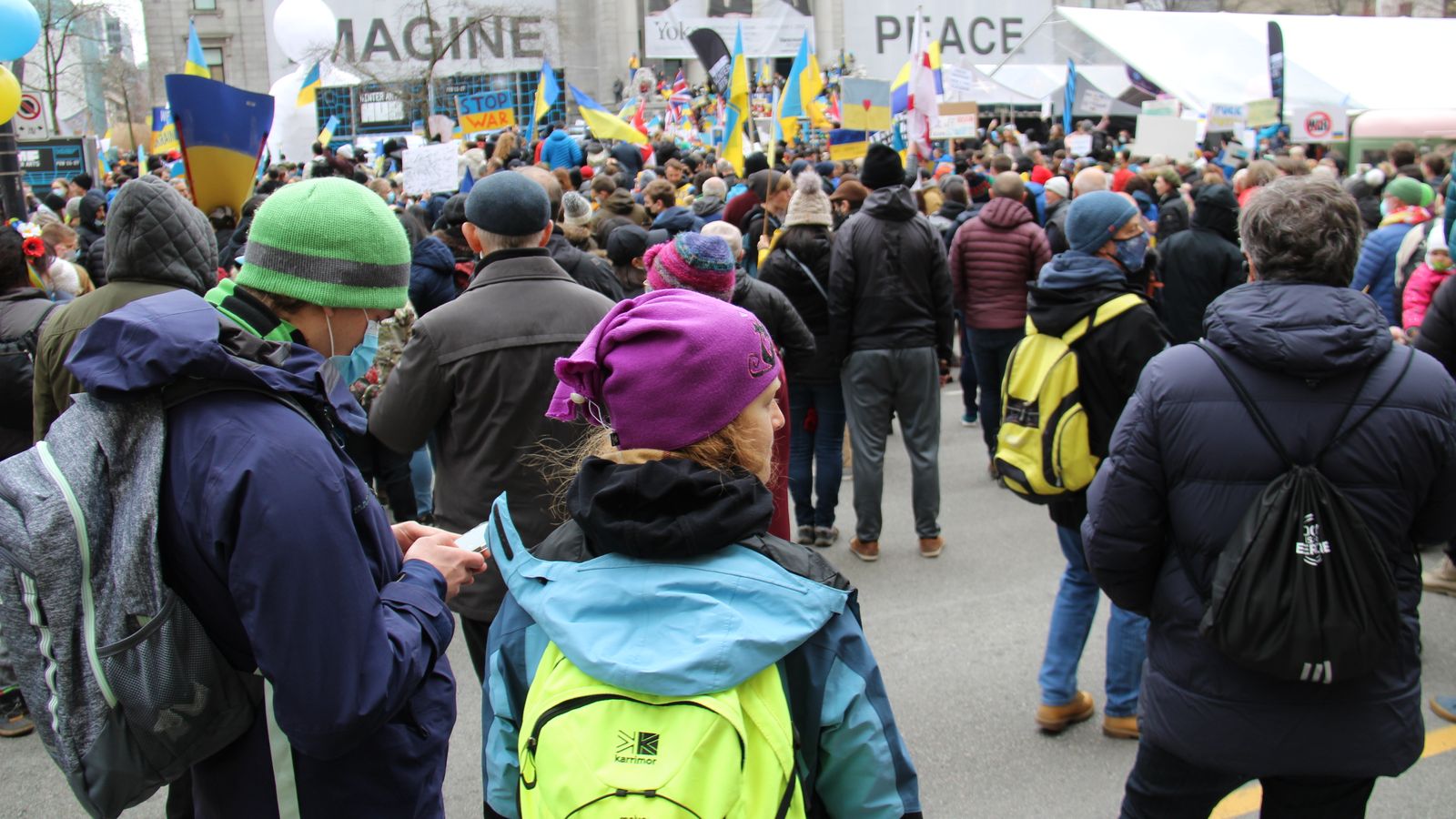
A large crowd gathers in downtown Vancouver for a peaceful protest advocating for peace and unity.
Closure Orders Target Unlicensed Indigenous Dispensaries
The City of Ottawa issued closure orders to multiple Indigenous-owned cannabis shops operating without provincial licenses, triggering legal pushback from operators who assert inherent rights to sell cannabis on sovereign grounds. The orders follow months of enforcement discussions between municipal officials and the Alcohol and Gaming Commission of Ontario (AGCO), which administers retail licenses under Ontario's Cannabis Licence Act.
Targeted shops have operated openly since 2023. Some owners identify as members of First Nations communities in Ontario and Quebec. City bylaw officers served notices in early September 2026, citing violations of the Cannabis Control Act and municipal zoning regulations.
Ottawa's municipal government declined to specify how many shops face closure but confirmed enforcement actions are underway. AGCO spokesperson Karen Dalton said the commission "works with municipalities to address unlicensed retail activity" but doesn't comment on active cases.
Operators Invoke Treaty Rights and Section 35 Protections
Shop owners are mounting defenses rooted in Section 35 of the Constitution Act, which recognizes and affirms Aboriginal and treaty rights, and the United Nations Declaration on the Rights of Indigenous Peoples (UNDRIP), adopted by Canada in 2021. Legal counsel for several operators argues that cannabis commerce falls within the scope of traditional economic activity protected under treaty.
"Our clients' position is straightforward: the Crown can't unilaterally impose a licensing regime that extinguishes treaty-protected trade," said Marilyn Baptiste, a lawyer representing three shop owners. "These aren't gray-market operators. They're exercising rights affirmed by the highest law in Canada."
The argument parallels cases in other provinces where Indigenous retailers have challenged provincial cannabis frameworks. In British Columbia, the Squamish Nation operates its own regulated dispensaries outside the provincial system, citing self-governance agreements. No Canadian court has yet issued a definitive ruling on whether Section 35 exempts Indigenous cannabis retail from provincial licensing.
Federal and Provincial Jurisdiction Remains Contested
The Cannabis Act, passed by Parliament in 2018, delegates retail regulation to provinces while affirming federal authority over criminal law and product standards. Ontario's framework requires all retailers to hold AGCO licenses and source product exclusively from the Ontario Cannabis Store, the provincial wholesaler.
Indigenous leaders argue this two-tier structure ignores the third order of government: First Nations, Métis, and Inuit governance structures recognized under Section 35. "The federal government legalized cannabis without consulting treaty holders," said Chief Wendy Jocko of Algonquins of Pikwakanagan First Nation, located 140 kilometers west of Ottawa. "That consultation gap creates the legal uncertainty we see today."
Health Canada, the federal department overseeing cannabis policy, hasn't issued formal guidance on how the Cannabis Act interacts with Indigenous rights. A 2022 internal memo obtained through access-to-information requests acknowledged "unresolved questions" but recommended provinces lead enforcement discussions.
Economic Stakes for Indigenous Entrepreneurs
Indigenous-owned cannabis businesses represent a small but growing segment of Canada's legal market, with operators citing economic reconciliation and community reinvestment as core motivations. According to a 2025 report by the Indigenous Cannabis Association, fewer than 50 of Canada's 3,200 licensed retailers are majority-owned by Indigenous individuals or bands, despite Indigenous peoples comprising 5 percent of the national population.
The AGCO licensing process requires applicants to meet capital thresholds, submit business plans, and undergo background checks. Some Indigenous entrepreneurs describe these as prohibitive barriers. Application fees alone total CAD 6,000, not including legal and consulting costs that often exceed CAD 20,000.
"The provincial system was designed without us," said one Ottawa shop owner who requested anonymity while legal proceedings are pending. "We're not asking for a handout. We're asking for recognition that our rights predate Confederation."
Next Steps in Legal and Political Channels
Legal challenges are expected to proceed through Ontario's Superior Court, with intervener applications likely from national Indigenous organizations and civil-liberties groups. The Assembly of First Nations, Canada's largest Indigenous advocacy body, has signaled support for operators asserting treaty rights but hasn't formally intervened in the Ottawa cases.
At the provincial level, Ontario's Ministry of the Attorney General is reviewing whether to issue a legal opinion on the applicability of Section 35 to cannabis retail. No timeline has been announced. Federal Indigenous Services Minister Patty Hajdu told reporters in August 2026 that her department is "monitoring developments" but deferred regulatory questions to provincial counterparts.
For full background on this story, see the CannIntel topic hub on Indigenous Cannabis Sovereignty.
What Comes Next
The Ottawa dispute will likely set procedural precedent for similar conflicts in Toronto, Winnipeg, and Vancouver, where unlicensed Indigenous shops also face enforcement pressure. Court filings are expected by late September 2026. Initial hearings should begin in early 2027. Industry observers note that a definitive ruling could either validate a parallel Indigenous regulatory track or compel operators into provincial systems, outcomes with national implications for cannabis policy and reconciliation efforts.
Sources
The cannabis newsletter you forward to your team.
Federal policy, market data, grower alerts, and the one story that matters today. Sent every weekday at 7am. Free.
No spam. Unsubscribe with one click. 21+ only.
Related from Laws

New York vows hemp THC beverage crackdown amid illegal retail surge
State officials acknowledge widespread unlicensed sales despite prohibition outside licensed cannabis channels.

Vermont Lt. Gov. Rodgers Settles Cannabis Grow Violation With Reduced Fine
John Rodgers will pay a lower penalty after state regulators found violations at his cultivation business.
Antigua & Barbuda's Cannabis Framework Marks Eight-Year Evolution
The Caribbean nation's regulatory structure has progressed from decriminalization in 2018 to a licensing regime targeting economic diversification.
More from the newsroom

Ohio identifies Vapen cartridge in health complaints, store closure
Vext names product after state investigation triggers dispensary shutdown and patient reports.

Teen Cannabis Surveys Miss Rising Use Disorder, Kaiser Study Finds
Self-reported adolescent consumption data diverge from clinical diagnoses, masking treatment gaps in legalized states.

High Tide Reports Record Q3 2026 Revenue, Details Withheld
Canadian cannabis retailer announces record third-quarter results but withholds key financial metrics in initial disclosure.