Cayman Islands Commission Outlines Marijuana Reform Options After Referendum
Government body presents policy pathways following voters' approval of cannabis decriminalization in territorial ballot.

Stunning aerial view of a luxury villa on the coast of the Cayman Islands, surrounded by crystal-clear waters.
Commission Framework Follows Referendum Mandate
The commission's report presents at least three distinct policy models for decriminalizing marijuana possession in the British Overseas Territory. Each model varies in possession thresholds, penalties for violations, and interaction with existing drug statutes, according to the framework released July 3. The report doesn't recommend a single approach. Instead, it provides the Legislative Assembly with comparative analysis of decriminalization regimes in other Caribbean jurisdictions.
The referendum passed with majority support. It directed the government to eliminate criminal penalties for small-scale marijuana possession. The ballot measure didn't specify gram limits or cultivation provisions, leaving implementation details to subsequent legislation.
Possession Thresholds and Penalty Structures
The commission's three models propose possession limits ranging from 7 grams to 28 grams for personal use. Model A establishes a 7-gram threshold with civil fines between CI$100 and CI$500 for first violations. Model B sets a 14-gram limit with mandatory drug education programs instead of fines. Model C permits up to 28 grams (one ounce) with no penalty for first-time possession but escalating civil sanctions for repeat violations within 12 months.
Criminal penalties remain for possession exceeding the specified threshold, trafficking, and sale to minors across all three models. The commission noted that the 28-gram ceiling in Model C aligns with decriminalization statutes in Jamaica and several U.S. states, though it may conflict with United Nations Single Convention obligations that still bind the Cayman Islands through the United Kingdom.
Home Cultivation Provisions Under Review
Two of the three models include home cultivation allowances, permitting residents to grow between two and six plants for personal use. Model B allows two mature plants per household. No registration required. Model C permits up to six plants but requires annual registration with the Royal Cayman Islands Police Service and unannounced compliance inspections.
Model A excludes home cultivation entirely, citing enforcement challenges and concerns about diversion to the illicit market. Cultivation provisions weren't explicitly addressed in the referendum question, the commission's report states, leaving the Legislative Assembly discretion to include or exclude them from implementing legislation.
Timeline for Legislative Action
The commission recommended that the Legislative Assembly introduce a decriminalization bill during its September 2026 session. Under Cayman Islands constitutional procedure, the bill would require two readings, committee review, and approval by the Governor before taking effect. The commission estimated a minimum four-month timeline from introduction to enactment, assuming no significant amendments during committee stage.
Draft statutory language accompanies each model in the report, including amendments to the Misuse of Drugs Act (2017 Revision) and corresponding changes to the Criminal Procedure Code. Any decriminalization statute must preserve the territory's obligations under international drug control treaties to avoid conflict with the UK Foreign Office, the commission noted.
Enforcement and Revenue Implications
Decriminalization would reduce marijuana-related arrests by 60 to 75 percent annually, the commission projected, freeing an estimated 1,200 police hours per year. Civil fine revenue under Models A and C could generate between CI$50,000 and CI$150,000 annually, according to the report's fiscal impact analysis. Those funds would be directed to a drug treatment and education program administered by the Cayman Islands Health Services Authority.
Expungement procedures for prior marijuana convictions also appear in the report. The commission recommended automatic expungement for possession offenses below the new threshold, with an estimated 340 records eligible for clearing under Model C's 28-gram limit. For full background on this story, see the CannIntel topic hub on Cayman Islands Decriminalization.
The Legislative Assembly hasn't yet scheduled debate on the commission's report. Opposition members have signaled support for Model A's conservative approach, while government backbenchers favor the broader provisions in Model C. The next legislative session convenes September 12, 2026.
Frequently asked questions
What possession limits did the Cayman Islands commission propose?
The commission outlined three models with possession thresholds of 7 grams, 14 grams, and 28 grams (one ounce) for personal use. Each model includes different penalty structures, ranging from civil fines to mandatory drug education programs. Criminal penalties remain for amounts exceeding the specified limits and for trafficking.
When will the Cayman Islands Legislative Assembly vote on decriminalization?
The commission recommended introduction of a decriminalization bill during the September 2026 legislative session, which convenes September 12. The bill would require two readings, committee review, and gubernatorial approval, with an estimated four-month timeline from introduction to enactment if no major amendments are made.
Does the Cayman Islands decriminalization framework allow home cultivation?
Two of the three models permit home cultivation. Model B allows two mature plants per household with no registration. Model C permits up to six plants but requires annual registration with police and compliance inspections. Model A excludes cultivation entirely due to enforcement concerns.
Will prior marijuana convictions be expunged in the Cayman Islands?
The commission recommended automatic expungement for possession offenses below the new threshold. Under the broadest model (28 grams), approximately 340 records would be eligible for clearing. The expungement process would be triggered upon enactment of the decriminalization statute.
Sources
The cannabis newsletter you forward to your team.
Federal policy, market data, grower alerts, and the one story that matters today. Sent every weekday at 7am. Free.
No spam. Unsubscribe with one click. 21+ only.
Related from Laws

Pennsylvania passes $50.8B budget, omits marijuana legalization
The state legislature finalized spending without adult-use cannabis language, shelving revenue projections cited by legalization advocates.
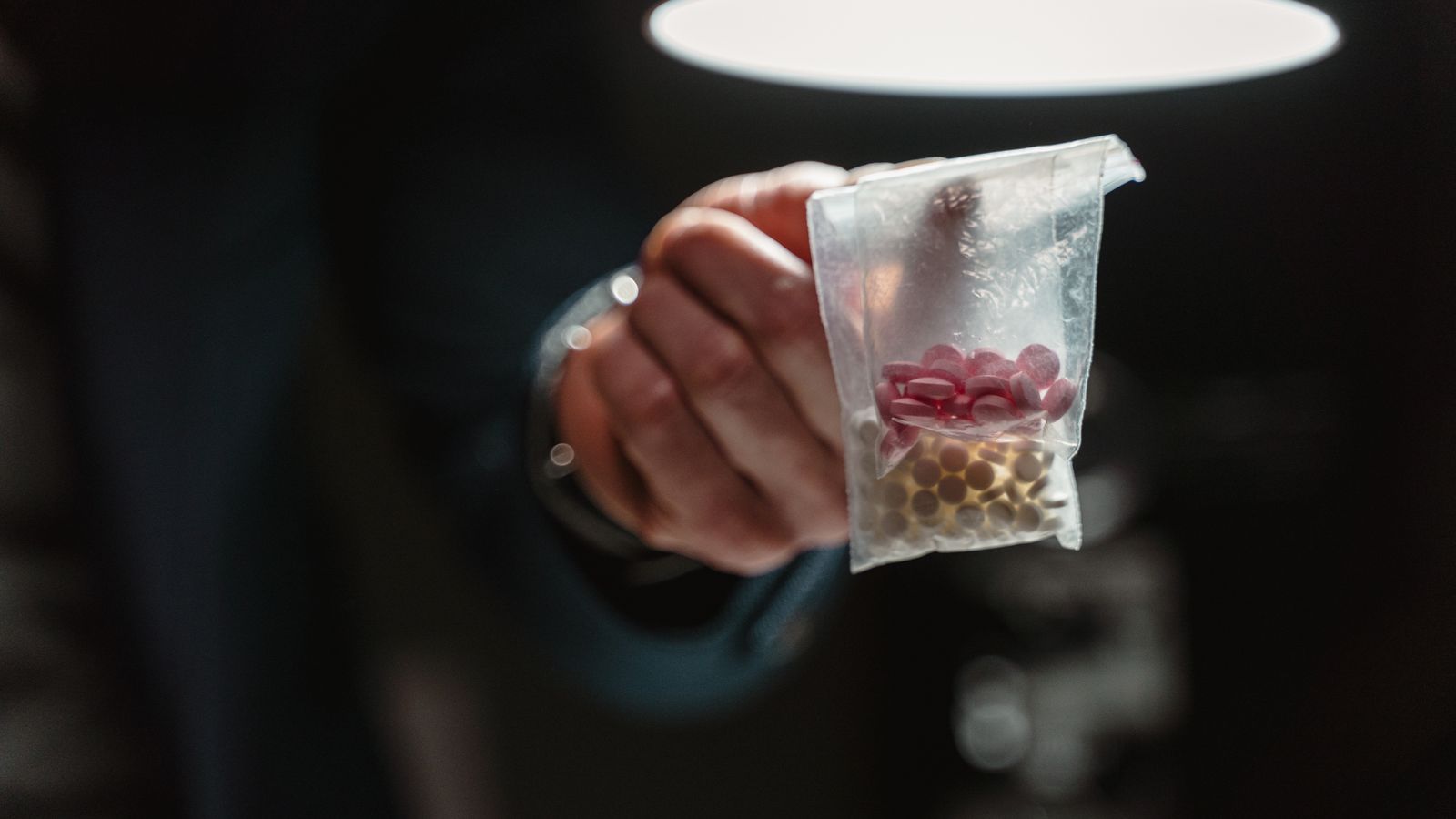
NDLEA Seizes N10.3 Billion in Canadian Cannabis, Arrests Lagos Courier
Nigeria's drug agency intercepted high-grade imported cannabis and methamphetamine in coordinated Lagos operations this week.

DEA Blocks Medical Marijuana Patient From Rescheduling Hearing
The agency denied a petition for a chronic pain patient to testify at the December administrative hearing.
More from the newsroom

Nauni University Launches Cannabis Research Lab for Himachal Pradesh
The new facility will support the state's Green to Gold initiative by studying industrial hemp cultivation and cannabinoid extraction.

Virginia Cannabis Budget Language Triggers Legal Confusion, Political Fallout
Ambiguous fiscal language in Virginia's 2026-27 budget has sparked legal questions over cannabis retail timelines and regulatory authority.

Cannabis Dispensaries Invest in Commercial Cash-Handling Infrastructure
Operators are deploying vault-grade cash systems as banking access stalls and transaction volumes climb.