MMJDaily Outlines Thermal, Spectral Shifts in HPS-to-LED Grows
An Oct. 20 MMJDaily piece frames the move from HPS to LED as a climate and spectrum recalibration, not a simple fixture swap.

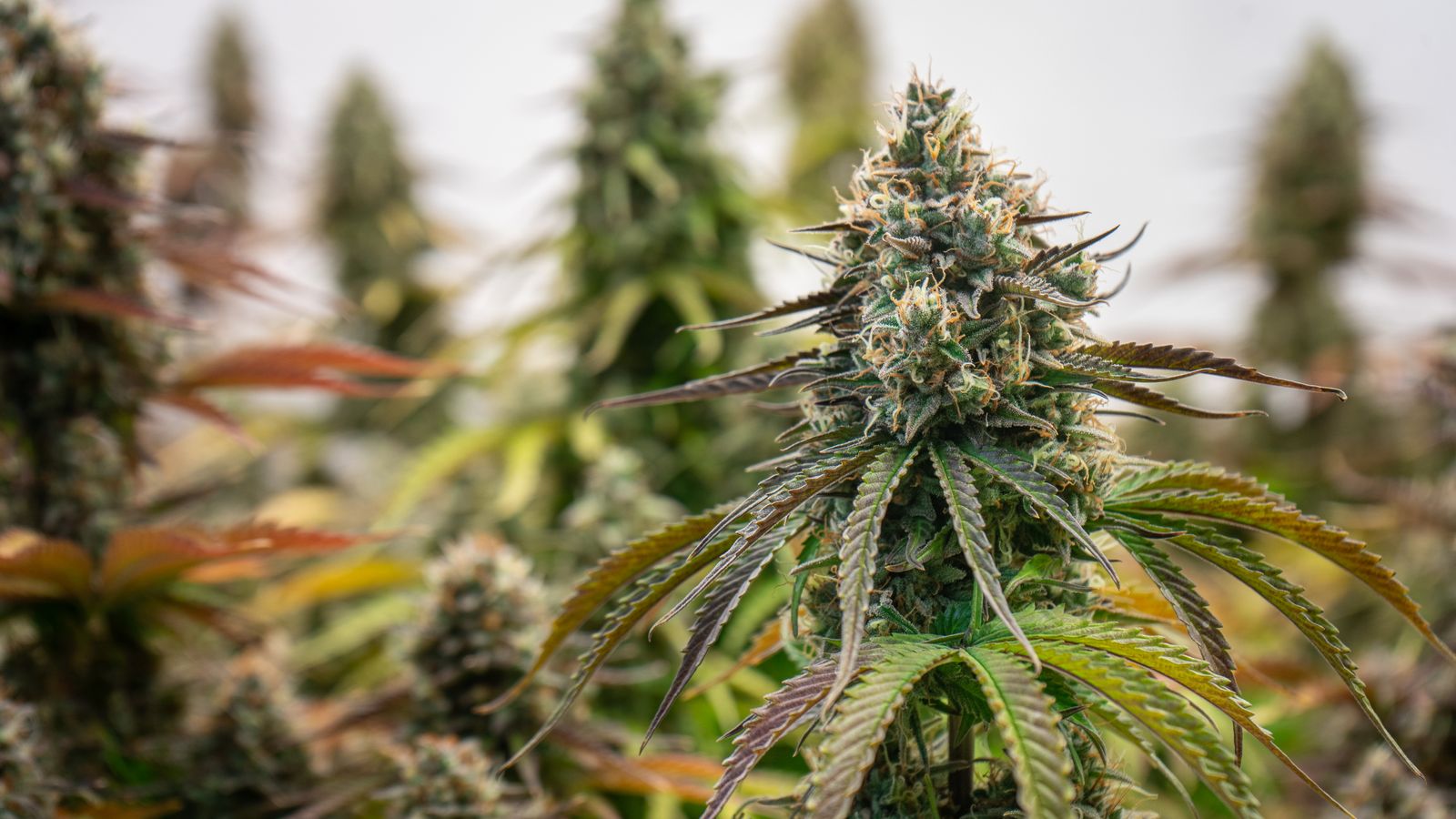
Detailed view of a cannabis plant flowering in an indoor greenhouse.
What we could verify, and what we couldn't
MMJDaily's Oct. 20, 2026 article treats the HPS-to-LED switch as a thermal and spectral adjustment problem, not a like-for-like hardware swap. That framing is the only part of the piece we can confirm.
Methodology, up front: we reviewed the article's headline, publisher and timestamp as they appeared in a syndication feed. We didn't have the full text. We ran no light-meter tests, logged no leaf temperatures and have no grow-room data of our own. Our n is zero, and there are no controls.
So we aren't going to characterize MMJDaily's findings, recommendations or sources, and everything below that isn't tied to the headline is general horticultural background, labeled as such, that should be checked against the original piece.
Thermal: the heat doesn't vanish, it moves
Switching from HPS to LED changes where heat lands in a room, and that reshuffles canopy temperature, transpiration and the HVAC load.
HPS fixtures throw a lot of radiant infrared at the canopy. Growers who spent years on HPS built their temperature and humidity setpoints around that warmth. LEDs generally shed more of their heat through drivers and heat sinks, so less radiant energy hits the leaf surface.
The practical effect is a gap. Leaf temperature can sit closer to, or below, air temperature. A vapor pressure deficit (VPD) target calculated from air temperature alone can then mislead, because the leaf is cooler than the number on the controller says. Transpiration slows and irrigation demand shifts. Plants that looked fine under HPS can stall.
Room load changes too. Sensible cooling demand usually drops. Dehumidification often becomes the harder job, since the plants still transpire while the heat that once helped the room hold moisture is gone. In cooler months, some rooms may need added heat they never needed before.
That's the part retrofit budgets tend to miss. Growers who treat an LED retrofit as a like-for-like swap are going to lose a cycle.
Spectral: more than a change in color
HPS and LED deliver different slices of the spectrum, so plant morphology and canopy response can shift even at matched light intensity.
Under HPS, output is concentrated in the yellow-orange-red range with comparatively little blue. Many LED fixtures run broadband white, or tuned blends of blue, red and far-red. More blue is generally associated with tighter internodal spacing and less stretch. Far-red content can push the opposite way. Penetration into a dense canopy also differs between a point-source bulb and a distributed LED bar.
Cultivar response varies, and that's where generalities break down. A tight, stacking cultivar like Wedding Cake and a stretchier Northern Lights phenotype won't necessarily respond the same way to the same fixture. Some growers report changes in resin and terpene expression after switching. We can't verify those reports, and we aren't aware of a single settled finding that applies across cultivars.
A sensible pilot-room log would capture, at minimum:
- Canopy-level light intensity (PPFD) at set points, before and after the change
- Leaf-surface temperature alongside air temperature, to calculate leaf VPD
- Irrigation volume and runoff EC per cycle
- Dry weight, cannabinoid and terpene lab results by cultivar
Running one room against an unchanged HPS room is the cleanest control most operators can afford. Without it, a yield change can't be attributed to the lights, the climate or the crop.
For full background on how operators are weighing the switch, see the CannIntel topic hub on HPS to LED cannabis lighting.
Dial-in matters more than fixture choice. Start with lower intensity, raise it in steps, and let the plants set the pace. Rushing an LED room to full output on day one is a common way to bleach tops and burn a cycle.
What to watch: published side-by-side trials that report cultivar, intensity, leaf temperature and lab results together. Until those appear, treat any single-room anecdote as a starting hypothesis.
Verdict: the thermal and spectral framing is right, but we haven't seen MMJDaily's data, so read the original before changing a flower room.
Frequently asked questions
Why does leaf temperature change when switching from HPS to LED?
HPS fixtures emit substantial radiant infrared that warms the canopy directly. Many LEDs shed more heat through drivers and heat sinks, so leaves can run cooler relative to air temperature. That can change transpiration and make air-based VPD readings less accurate.
Does switching to LED reduce cooling costs?
Often sensible cooling demand falls, but dehumidification can become the bigger load and some rooms need added heat in cold months. Results depend on the facility, so operators should model both loads before assuming savings.
Do LEDs change cannabis plant structure?
They can. HPS has little blue light, while many LEDs add it, which is generally associated with tighter internodes. Response varies by cultivar and fixture, so growers should trial changes in one room before rolling out facility-wide.
What did the MMJDaily article conclude?
CannIntel reviewed only the headline, publisher and timestamp, not the full text. The headline points to thermal and spectral adjustments in the HPS-to-LED transition. Readers should consult MMJDaily directly for its specific findings.
Sources
The cannabis newsletter you forward to your team.
Federal policy, market data, grower alerts, and the one story that matters today. Sent every weekday at 7am. Free.
No spam. Unsubscribe with one click. 21+ only.
Related from Grow
MJBizDaily Flags Facility Design Errors Cultivators Can't Retrofit
An Oct. 22 MJBizDaily report on unfixable build mistakes puts HVAC, dehumidification and electrical sizing back at the center of cultivation capital planning.

AROYA Releases Connector Linking Grow Data to Claude, ChatGPT
AROYA released a connector on Oct. 13 that lets commercial growers query live facility data in Claude or ChatGPT using plain-language questions.
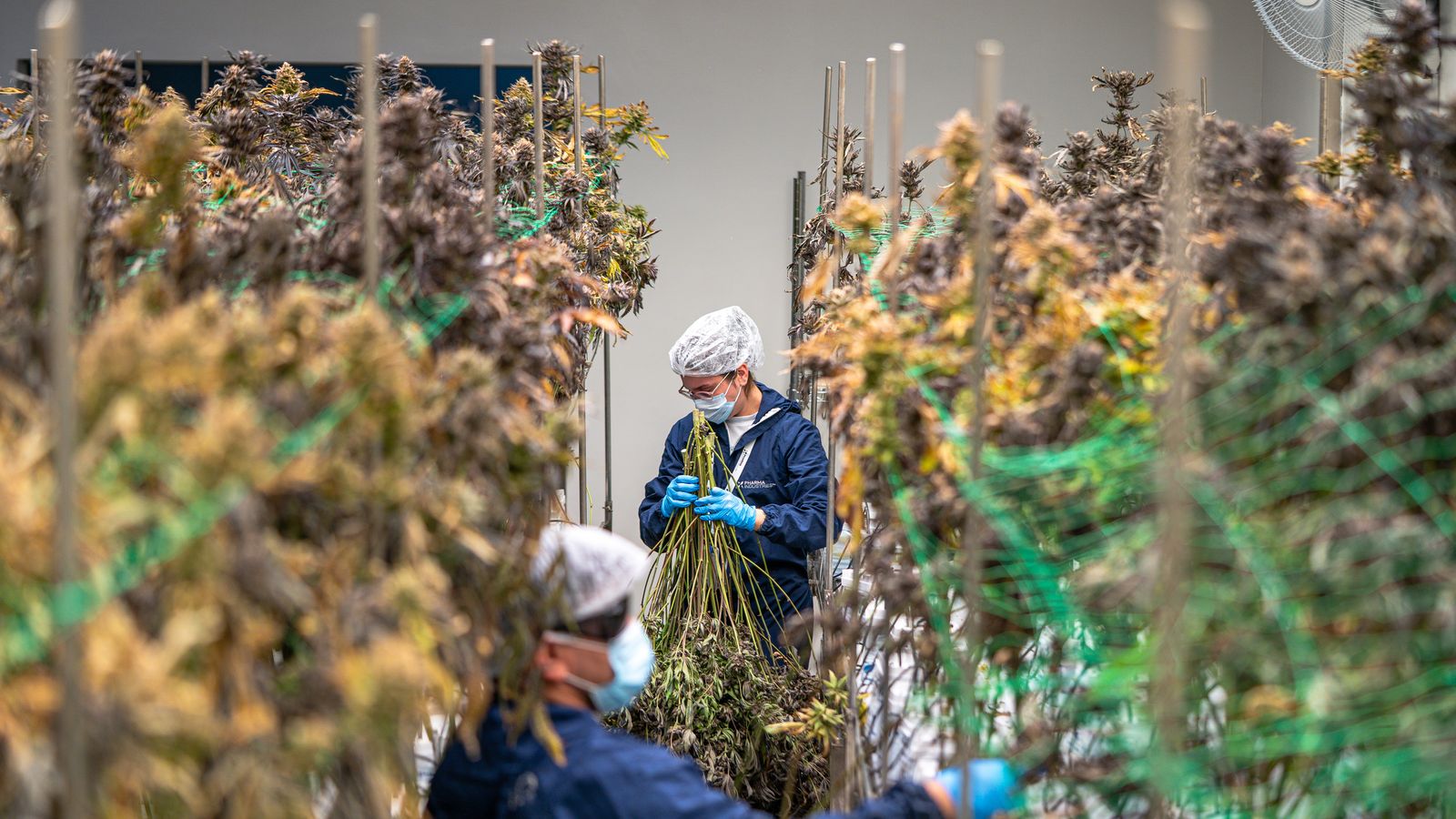
High Times Profiles Brute's Roots' Slow Pheno Bet in South Jersey
High Times Magazine profiled Brute's Roots on Oct. 12, framing the South Jersey operation's strategy around patience and phenotype selection.
More from the newsroom
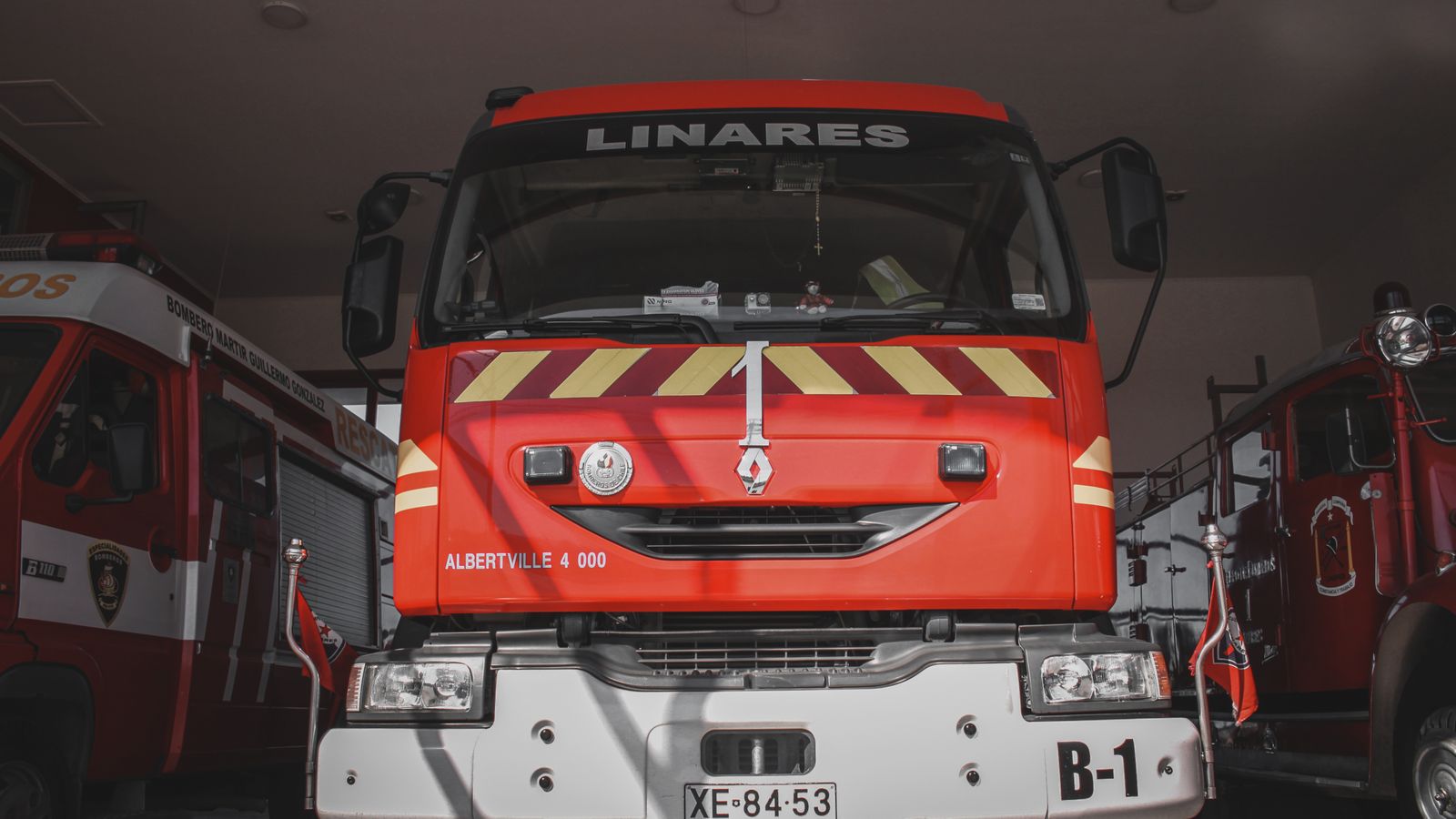
Utica Firefighters Sue Over Medical Cannabis Suspensions in New York
Two Utica firefighters suspended after urine tests found cannabis metabolites are suing, putting New York's patient protections against public-safety drug testing.
Massachusetts Poll Finds Voters Back Legal Cannabis, Enterprise News Reports
A poll reported by Enterprise News shows Massachusetts voters favor legal weed and see it as a societal positive, a signal operators and investors will weigh.

BillsTax Indicted Again on Marijuana Charges in South Korea
Chosunbiz reported a second indictment of BillsTax on marijuana charges tied to legalization advocacy, though the charging details were not available.