Home Grow Economics: Why Americans Are Planting Their Own
A Source Magazine report on the economics of home cultivation raises a harder question: when does a tent beat a dispensary, and when does the power bill erase the savings?

Worker tends cannabis plants in indoor facility wearing protective gear.
The Source Magazine report puts price at the center of the home-grow surge
The Source Magazine's Nov. 20 report frames the rise in home cultivation as an economic story, not a lifestyle one. The piece, indexed through Google News, argues that cost pressure is pushing consumers toward growing their own flower rather than buying it at retail.
CannIntel couldn't independently verify the underlying figures in the Source Magazine piece from the signal data alone, so this story doesn't repeat specific price or participation numbers from it. What follows is an operator-side read of the economics the report points to.
The thesis is easy to state. Executing it is much harder.
The savings case is real, but it hinges on yield per square foot
Home growing beats retail only when a grower hits a repeatable yield, and most first-time growers don't. The headline comparison always pits a dispensary eighth against a gram-per-watt harvest, and those two numbers almost never come from the same universe.
Manufacturers publish yield claims in grams per square foot or grams per watt. Treat both with suspicion. A fixture's spec sheet reports the best case under controlled conditions, usually with dialed-in genetics, CO2 supplementation, and an experienced hand, while measured yields in a first-run closet tent run well below the marketing. That gap is where the savings disappear.
A first harvest is a tuition payment. The economics improve on run three, not run one.
Electricity and climate control are the cost line most guides skip
For indoor growers, power and environmental control, not seed or soil, determine whether the math works. Flowering fixtures run roughly 12 hours a day for about 8 to 10 weeks, and the draw compounds with ventilation, circulation, and dehumidification.
Dehumidification is the hidden tax. Late flower in a sealed tent can push moisture load well past what the lights alone suggest, and an undersized dehumidifier either runs flat out or fails to hold target humidity, inviting botrytis. Rated pints-per-day on a dehumidifier are tested at a specific temperature and humidity (typically a warm, wet test condition). At the cooler, drier conditions of a real flower room, the measured removal rate is lower. Size up, and read the test conditions in the footnote.
Cooling follows the same logic. A tent that holds temperature in November may cook in July, so the cheapest grow season depends on your climate and your utility's rate schedule. Operators in high-rate states face a different equation than growers on cheap hydro or off-peak plans.
Legal home-grow rights set the playing field, and they vary widely
Whether a home grower can legally cultivate at all, and how many plants, depends entirely on state law. Adult-use states that permit home cultivation typically cap plant counts per adult and per household, and rules on locked space, visibility, and landlord restrictions differ from one jurisdiction to the next.
That patchwork matters for the economic argument. A grower in a state that allows only a handful of plants has a ceiling on volume that changes the per-gram math. Some states restrict or prohibit home growing outright even where retail sales are legal, so the savings story doesn't travel across state lines. Check your state's current statute and any local ordinances before buying equipment.
Federal law still classifies cannabis as Schedule I, which also means home growers sit outside most insurance and lending products. Equipment financing and coverage for a grow space are harder to find than for a hobby workshop.
Retail price compression cuts both ways for the home-grow case
Falling shelf prices in mature markets erode the economic argument for growing, even as they widen the gap in thinner ones. Where oversupply has pushed flower prices down, the break-even point for a home grower moves further out. Where prices stay high, the incentive strengthens.
That's the tension the Source Magazine piece sits inside. A rising number of consumers weighing a tent against a dispensary receipt suggests price is biting somewhere. It doesn't mean the tent wins everywhere.
A fair read: home cultivation is a hedge against retail pricing, not a replacement for it. Growers who treat it as a hedge, with realistic yield and power assumptions, come out ahead more often than those who treat it as free weed.
A practical break-even framework for would-be home growers
Run the numbers on delivered grams, not rated grams, and include every recurring cost before committing to a setup. A useful sanity check uses conservative inputs rather than the manufacturer's best case.
- Fixture draw in watts, multiplied by hours per day and your local rate per kilowatt-hour
- Dehumidifier and HVAC load, measured at your actual room conditions rather than the spec-sheet test point
- Realistic yield from a first run, discounted well below the marketed figure
- Nutrients, media, and consumables, plus the cost of any failed batch
Then compare the result to what you actually spend at retail per month. If the delivered cost per gram only wins on a perfect harvest, the case is weaker than it looks. If it wins on a mediocre one, you've got a margin of safety.
Outdoor and greenhouse growers skip much of the electricity line but trade it for weather, pests, and a single annual harvest. Different risks, same discipline.
What the surge means for equipment makers and retailers
Home-grow demand shifts the buyer from a licensed operator to a first-time consumer, which changes what sells and how it gets marketed. Consumer-grade tents, LED fixtures, and all-in-one kits target people who read spec sheets as promises. That's where the skepticism belongs.
For dispensaries, a growing home-grow base is a competitive pressure on the lowest-priced flower tiers, though not on premium product, where cultivar quality and consistency are hard to match in a closet. Retailers who sell clones, seeds, and supplies may capture some of that demand directly.
The signal here is a headline, not a dataset. Treat the trend as plausible and the specifics as unverified until the underlying numbers are in hand. For full background on this story, see the CannIntel topic hub on Home Cannabis Cultivation.
Watch utility pricing next. If electricity rates keep climbing in the states with the most home growers, the tent's edge over the dispensary shrinks fast, and the economics argument will cut the other way.
Frequently asked questions
Is growing your own cannabis actually cheaper than buying it?
Sometimes. It depends on yield, local electricity rates, and how much you spend on climate control. First-time growers often fall short of marketed yields, so savings usually show up after a few harvests rather than the first.
What is the biggest hidden cost of an indoor home grow?
Power and environmental control. Lights run about 12 hours a day, and late-flower humidity demands real dehumidification capacity. Undersized equipment raises both bills and the risk of mold.
Can you grow cannabis at home everywhere it is legal to buy?
No. Some states with legal retail sales restrict or prohibit home cultivation, and those that allow it cap plant counts. Check current state statute and local ordinances before buying equipment.
Why do manufacturer yield claims differ from real results?
Spec sheets typically report best-case output under controlled conditions with optimized genetics and experienced operators. A typical home setup, especially on a first run, measures lower.
Sources
The cannabis newsletter you forward to your team.
Federal policy, market data, grower alerts, and the one story that matters today. Sent every weekday at 7am. Free.
No spam. Unsubscribe with one click. 21+ only.
Related from Grow

Texas A&M Scientists Develop Hemp Plant With No Detectable THC
Researchers report a hemp line with no detectable THC or other cannabinoids, a genetics milestone that could reshape fiber and grain production and the compliance math growers live by.

LEEF Brands Exec: California Rules Penalize Fallowing Cannabis Land
An op-ed by LEEF Brands' Micah Anderson says state licensing costs push growers to plant every season, even when soil needs rest.
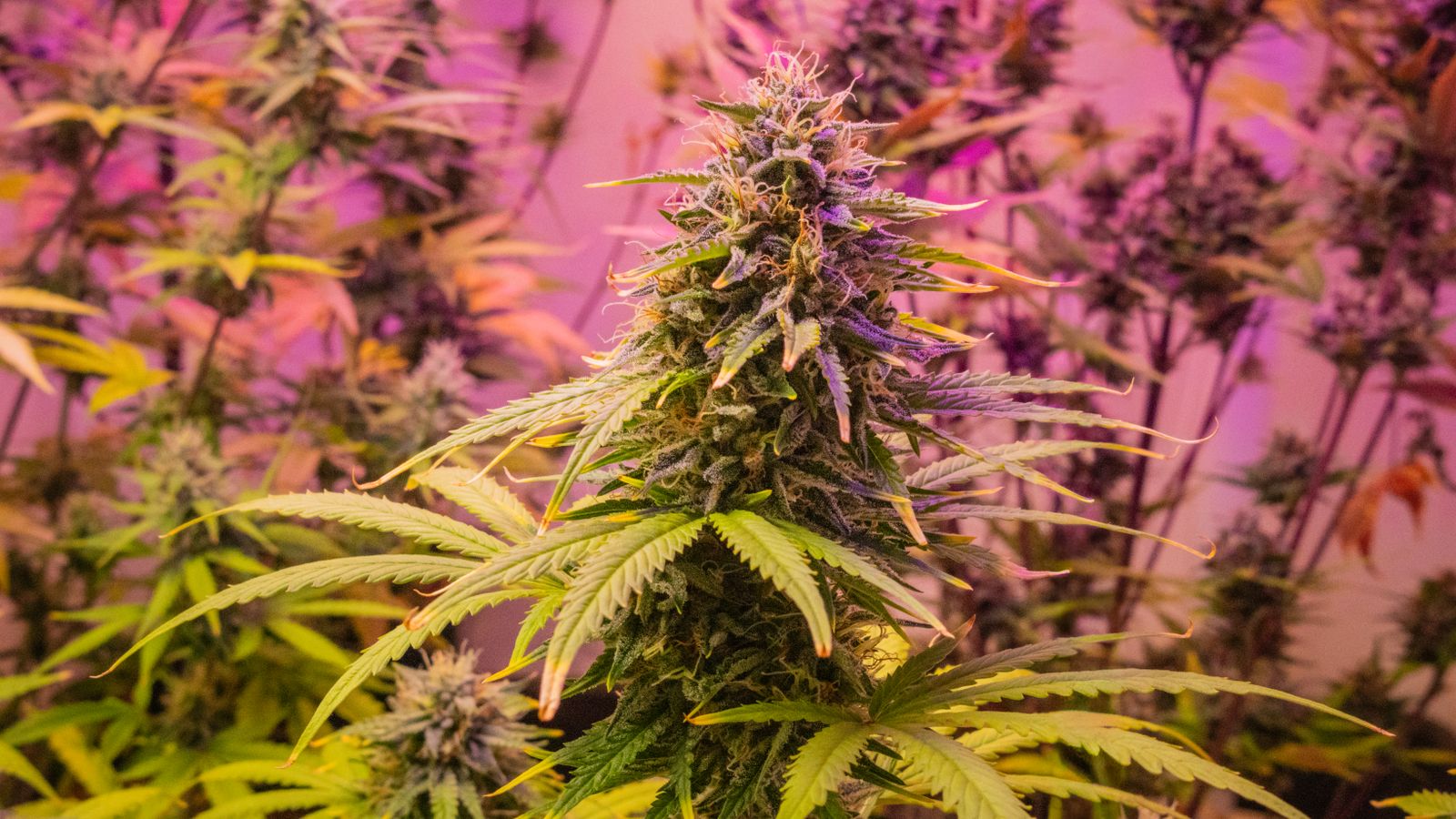
Arcana Collective expands PAC program with two new breeders
Brave Hearts and Mean Gene join Arcana's platform, but no cultivars, terms or trial data have surfaced to show what growers actually get.
More from the newsroom
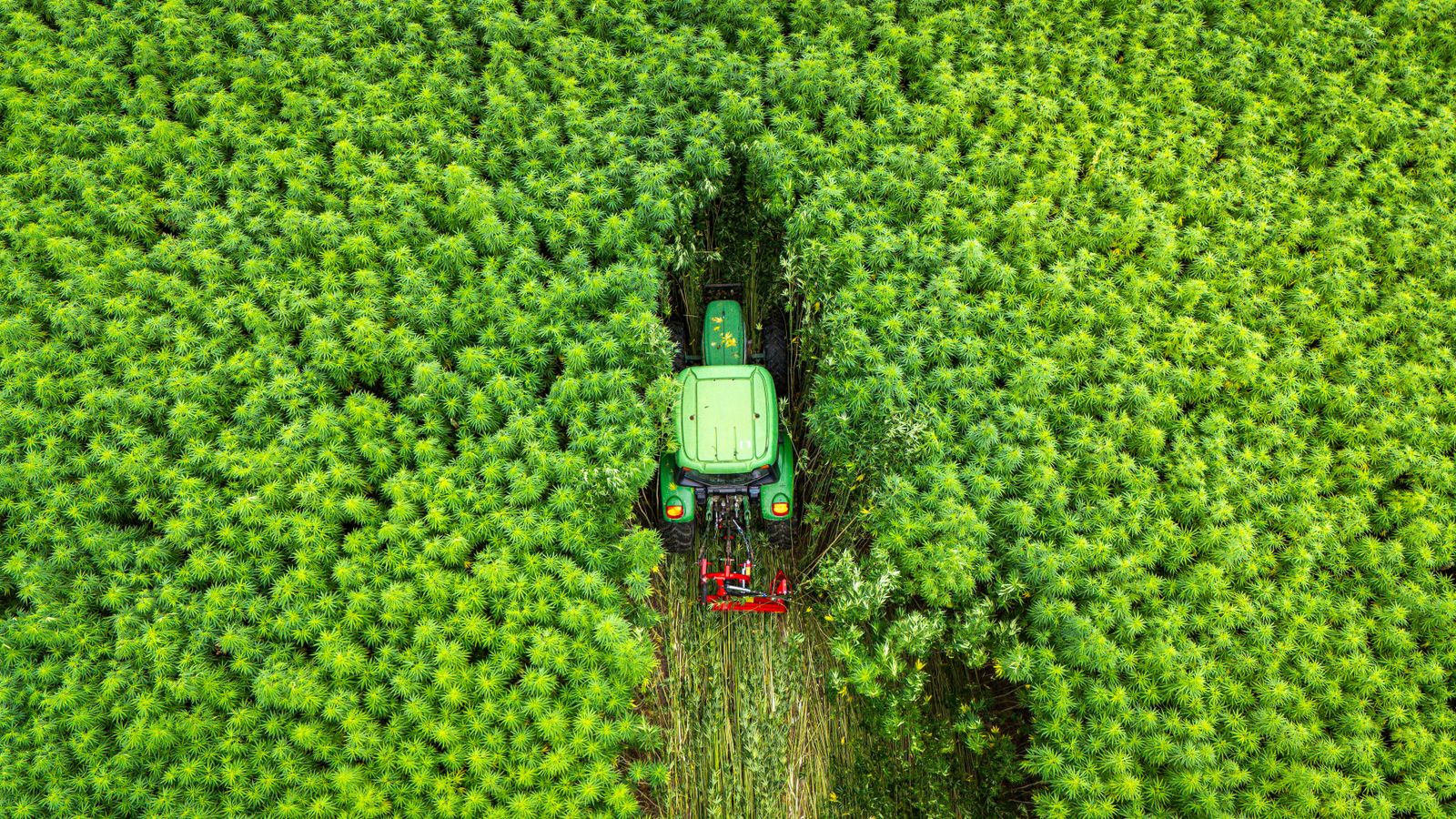
Wisconsin Lawmakers Say Legalization Can Save State Hemp Industry
Lawmakers argue a regulated adult-use market would give Wisconsin hemp businesses a legal lifeline as federal hemp policy shifts underneath them.

ConBud Yankee Stadium Opens in the Bronx Under New York's CAURD Program
A dispensary near Yankee Stadium puts New York's justice-involved licensing model back under scrutiny, in a borough that carried a disproportionate share of the state's old marijuana arrests.

Globe and Mail op-ed urges Canada-Europe push on illicit cannabis
An opinion piece in The Globe and Mail argues Canada's illegal cannabis problem has crossed the Atlantic and calls for joint enforcement, but the signal supplies no data to test that claim.