LEEF Brands Exec: California Rules Penalize Fallowing Cannabis Land
An op-ed by LEEF Brands' Micah Anderson says state licensing costs push growers to plant every season, even when soil needs rest.

Stunning aerial photo of vibrant patchwork farmland ready for cultivation.
The op-ed targets fees that keep running when the ground rests
Anderson's central claim is that California growers pay the state whether or not they plant. In the piece, he wrote that farmers are effectively paying for the privilege of not growing cannabis, even when a fallow season may be necessary for long-term land health.
That's a sharp framing. It's also an opinion piece, and a limited one, reflecting the view of a single industry executive rather than a state finding or a peer-reviewed study.
The excerpt we reviewed doesn't specify which fee schedule or license class Anderson means, and we haven't independently verified how any given cost scales with planted acreage. Operators should check their own license terms with the Department of Cannabis Control (DCC) before drawing conclusions.
The agronomy underneath the argument is old and solid
Anderson opens by invoking a lesson farmers learned thousands of years ago: planting the same crop on the same ground repeatedly exhausts it. Nobody serious disputes that.
Continuous monocropping drains specific nutrients, builds pest and pathogen pressure, and degrades soil structure. Rotation, cover cropping and fallow periods are the standard countermeasures, and cannabis isn't exempt from any of it.
In our beds, the pattern shows up fast. A second consecutive season in the same plot without a cover crop or amendment program typically means more input cost for less vigor. That's grower experience, not a citation, but it tracks with basic soil science.
Why outdoor growers feel this more than indoor operators
Soil-dependent outdoor and mixed-light farms carry the real exposure, because their growing medium is the land itself. A greenhouse grower swapping media between cycles has no equivalent problem.
Then there's the calendar. In most of California's cultivation regions, planting windows open after the last spring frost and harvest runs through October, with colder inland and higher-elevation sites finishing earlier. Skip a season and you don't get a mid-year do-over. You wait twelve months.
That makes the decision to fallow a full-year bet on future yield, and if licensing costs make the bet unaffordable, the incentive tilts toward planting tired ground.
The policy question: should rest periods be a compliance-neutral option?
The op-ed implicitly asks regulators to treat deliberate fallowing as sound agronomy rather than inactivity. How a regulator might do that is the open question, and the excerpt doesn't lay out Anderson's specific proposal.
Several approaches are plausible in principle: prorated fees for documented fallow periods, rotation exemptions, or a formal soil-health designation. None of those is confirmed as a pending DCC measure, and we aren't reporting that any is. They're simply the logical menu for anyone responding to Anderson's argument.
Here's the tension. Regulators need to prevent license hoarding and diversion, which is why inactive licenses draw scrutiny, and a fallow carve-out would have to separate genuine land stewardship from paper-only licenses. That's a hard line to draw.
What growers and investors should take from it
For operators, the practical read is to model fallow and rotation costs now rather than assume the fee structure will bend. Nothing in the signal suggests a rule change is imminent.
Soil health isn't just an environmental talking point. It feeds directly into yield stability, input spend and the terroir claims that appellation-minded brands lean on. Depleted ground undercuts all three.
Investors, meanwhile, get a reminder that California's cost stack includes recurring obligations that don't flex with production decisions. Margin math for outdoor operators should account for that.
One caveat on sourcing: Anderson works for LEEF Brands, a company with its own commercial interests in the sector. Read the argument on its merits, and read it as advocacy.
For full background on how these rules fit together, see the CannIntel topic hub on California cannabis cultivation regulations.
Watch whether the DCC or the California Legislature responds before the 2027 planting window opens. A single op-ed won't move a fee schedule. A coalition of outdoor growers might.
Sources
The cannabis newsletter you forward to your team.
Federal policy, market data, grower alerts, and the one story that matters today. Sent every weekday at 7am. Free.
No spam. Unsubscribe with one click. 21+ only.
Related from Grow
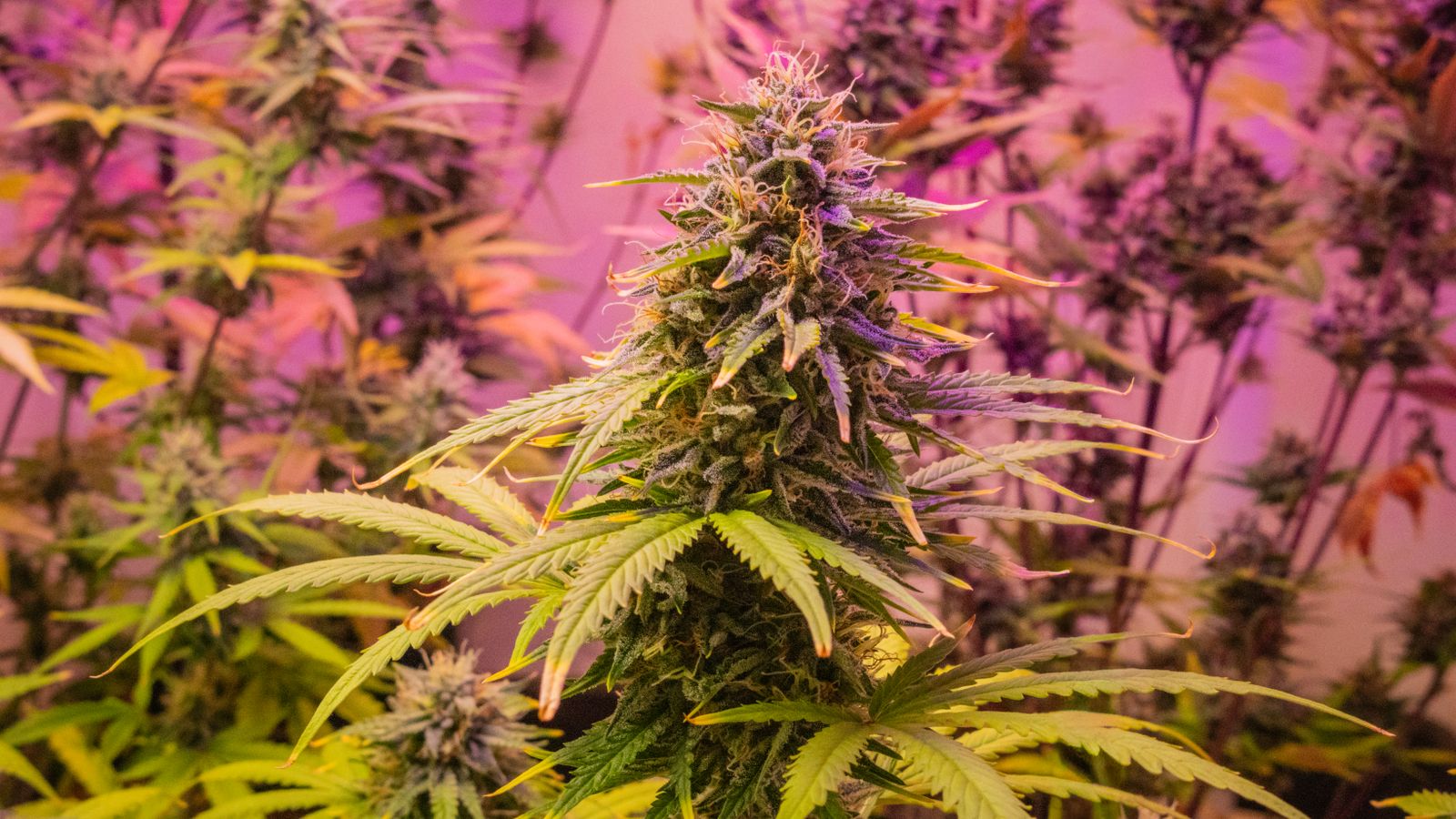
Arcana Collective expands PAC program with two new breeders
Brave Hearts and Mean Gene join Arcana's platform, but no cultivars, terms or trial data have surfaced to show what growers actually get.

Forbes Details Cannabis Pesticide Testing Rules and Costs
A Forbes article on pesticide testing, compliance costs and clean cultivation puts the grower's most expensive failure mode, the failed lot, back in view.
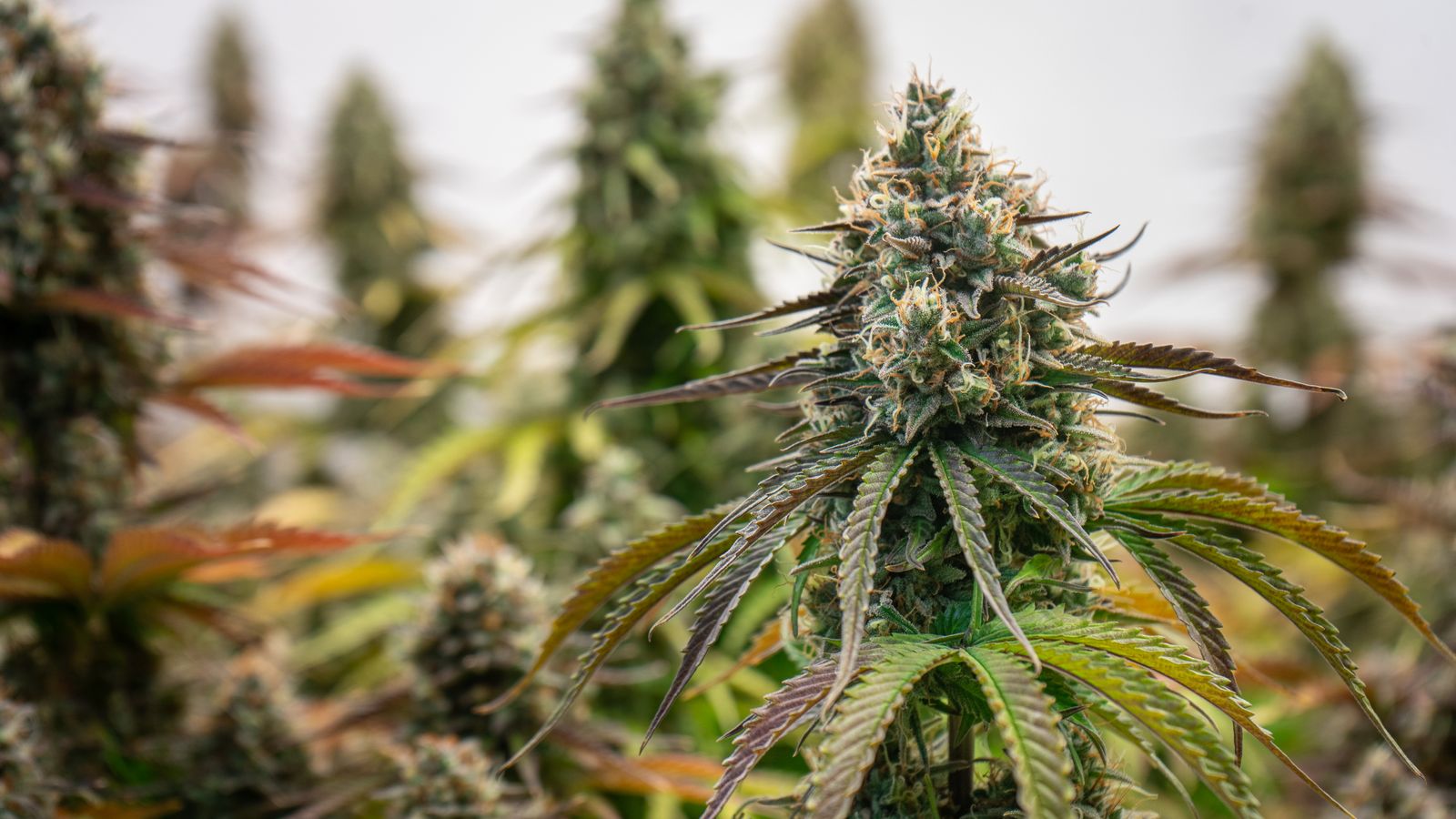
MJBizDaily Flags Facility Design Errors Cultivators Can't Retrofit
An Oct. 22 MJBizDaily report on unfixable build mistakes puts HVAC, dehumidification and electrical sizing back at the center of cultivation capital planning.
More from the newsroom

Federal Ban on THC-O, Synthetic Hemp Cannabinoids Takes Effect
Phase one of the federal crackdown on intoxicating hemp-derived products began Nov. 12, targeting unnatural cannabinoids like THC-O while leaving later phases for the broader market.

Montana Supreme Court Clarifies When THC Blood Tests Come In at DUI Trials
A Montana Supreme Court ruling sets the foundation requirements prosecutors must meet to admit THC blood results in marijuana DUI cases, per initial reporting.

Two-Year Study Links Medical Cannabis to Better PTSD, Sleep
A new two-year study reported by The Marijuana Herald associates medical cannabis use with gains in PTSD, anxiety, sleep and quality of life, though the signal omits the design details that would settle how far those gains can be trusted.