Joe Rogan Says Weed Was a Big Reason Texas Turned Blue
The podcaster's argument, reported by Mediaite on Nov. 14, 2026, puts Texas cannabis policy and a young male voting bloc at the center of a political fight.
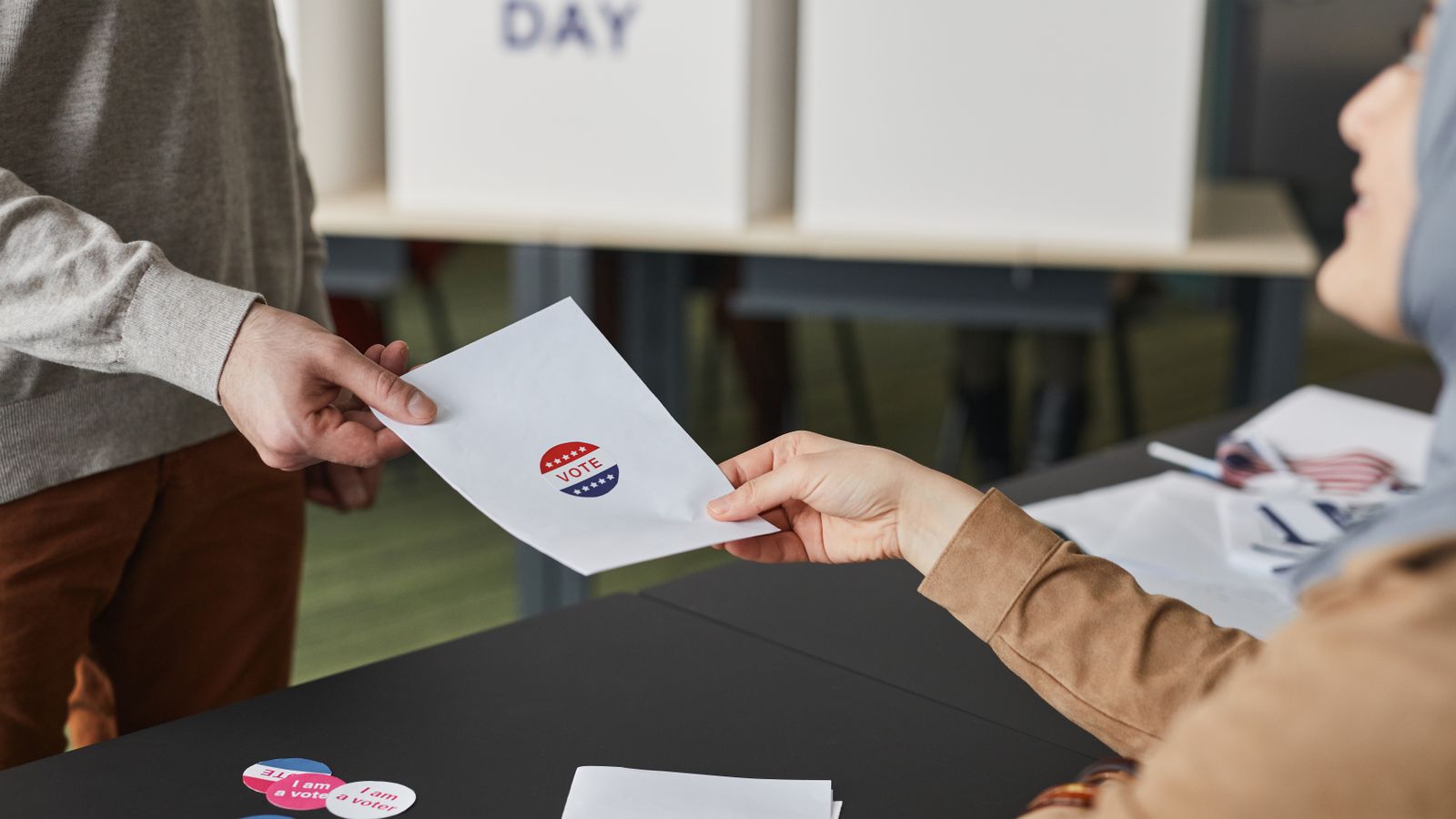
Two people exchanging a ballot paper during an indoor voting process.
Rogan Puts Weed at the Center of the Texas Story
Joe Rogan said marijuana was a big reason Texas turned blue, according to Mediaite on Nov. 14, 2026.
Picture the setup: a long-form podcast, a host who has spent years steering his Austin-based audience toward drug-policy skepticism, and a bold political read tossed out mid-conversation. That's the scene behind the headline.
What CannIntel has in hand is a headline and a link, not a transcript. The specifics of what Rogan said, and what data he cited, if any, aren't in our source material.
What We Can and Can't Confirm
CannIntel has verified the Mediaite headline and its date, not the underlying election data or Rogan's full remarks.
We haven't confirmed vote totals, county-level shifts, or any survey tying cannabis attitudes to ballot choices in Texas. Without those, Rogan's claim stays what it is. A commentator's argument. Not a finding.
Readers should treat it that way. Causal stories about why a state moved politically are easy to tell and hard to prove, and the tidiest explanation is rarely the whole one.
Why the Argument Has Legs in Texas
Texas has one of the most restrictive cannabis frameworks among large states, which makes the issue a ready-made grievance for some voters.
Medical access under the Texas Compassionate Use Program remains narrow compared with programs in California or Colorado. Operators and advocates in the state have said for years that the gap between public opinion and statute is wide.
A figure like Rogan can tap that tension directly. His audience skews young, male, and politically unattached.
The Young-Male Voter Question
The strongest version of Rogan's claim is about turnout and persuasion among younger men, a group both parties court.
For many of them, cannabis is a single-issue entry point. It isn't the only one, and pinning a statewide shift on it alone would ignore economics, abortion, immigration, and local candidate quality.
Still, the idea isn't absurd. Ballot measures on legalization have repeatedly drawn voters who don't otherwise show up.
What It Means for Cannabis Operators
For operators and investors, the real signal is political: cannabis is being framed as a vote-moving issue, not a niche one.
If candidates believe that, they'll act on it. Expect louder positioning on Texas hemp-derived THC rules, medical expansion, or federal rescheduling at the DEA.
Operators in neighboring markets will watch closely. A shift in Texas politics could spill into supply chains and licensing debates well beyond the state's borders.
The Skeptic's Read
A single podcast claim isn't evidence, and the cannabis industry has a history of overstating its own electoral muscle.
That caution is healthy. Advocates have long pitched legalization as a turnout engine, and results have been mixed. Rogan's reach is real. His causal story is untested.
What to Watch
The next test is whether post-election analysis backs or buries the cannabis explanation.
We'll be watching for precinct-level data, exit-poll breakdowns by age and sex, and any Texas lawmaker who adopts the framing. For broader context, see the CannIntel topic hub on cannabis politics and voter impact.
Frequently asked questions
What did Joe Rogan say about weed and Texas?
According to a Mediaite headline dated Nov. 14, 2026, Rogan argued marijuana was a big reason Texas turned blue. CannIntel hasn't reviewed a full transcript, so the exact wording and any data he cited are unconfirmed.
Is there data proving cannabis shifted Texas voters?
Not in the source material CannIntel reviewed. No vote totals or surveys linking cannabis attitudes to Texas ballot choices were included. Treat the claim as commentary until precinct-level or exit-poll analysis supports it.
Why does cannabis matter politically in Texas?
Texas has a narrow medical program and restrictive laws compared with states like California or Colorado. That gap between public opinion and statute gives advocates and some voters a clear grievance.
Could this affect cannabis businesses?
Indirectly. If candidates believe cannabis moves votes, they may take firmer positions on hemp-derived THC, medical expansion, or federal rescheduling, which shapes licensing and supply chains across the region.
Sources
The cannabis newsletter you forward to your team.
Federal policy, market data, grower alerts, and the one story that matters today. Sent every weekday at 7am. Free.
No spam. Unsubscribe with one click. 21+ only.
Related from Culture

NORML Op-Ed Says Teen Cannabis Use Falls as States Regulate
NORML's November 16 op-ed argues regulated retail has done what prohibition couldn't: moved cannabis from the street corner to behind a licensed counter, away from teenagers.

Joe Rogan Blames Anti-Weed GOP Old Guard for Texas Loss
The podcaster tied a Republican defeat in Texas to older party loyalists hostile to cannabis, reigniting a fight over the state's restrictive marijuana politics.

Joe Rogan Blames GOP Texas Loss on Older Anti-Weed Voters
The podcaster's profane read on a Republican setback in Texas puts cannabis policy back inside the party's generational fight ahead of the 2026 midterms.
More from the newsroom

Commission recommends barring legislators from retail cannabis licenses
A state commission urged a ban on lawmakers holding retail cannabis licenses, a conflict-of-interest recommendation that would need legislative action to take effect.

Trulieve Joins Index Funds After Move to New York Stock Exchange
The Florida-based multistate operator's NYSE listing now pulls it into index-tracking funds, shifting who can own the stock and how it trades.

LEEF Brands Expands Into California's Wholesale Flower Market
The vertically integrated operator is adding wholesale flower to its California business, a segment squeezed by oversupply and falling prices.