Doctors Respond as Cannabis-Using Moms Spark Parenting Debate
Medical professionals weigh risks after mothers publicly credit marijuana with improving patience and presence at home.
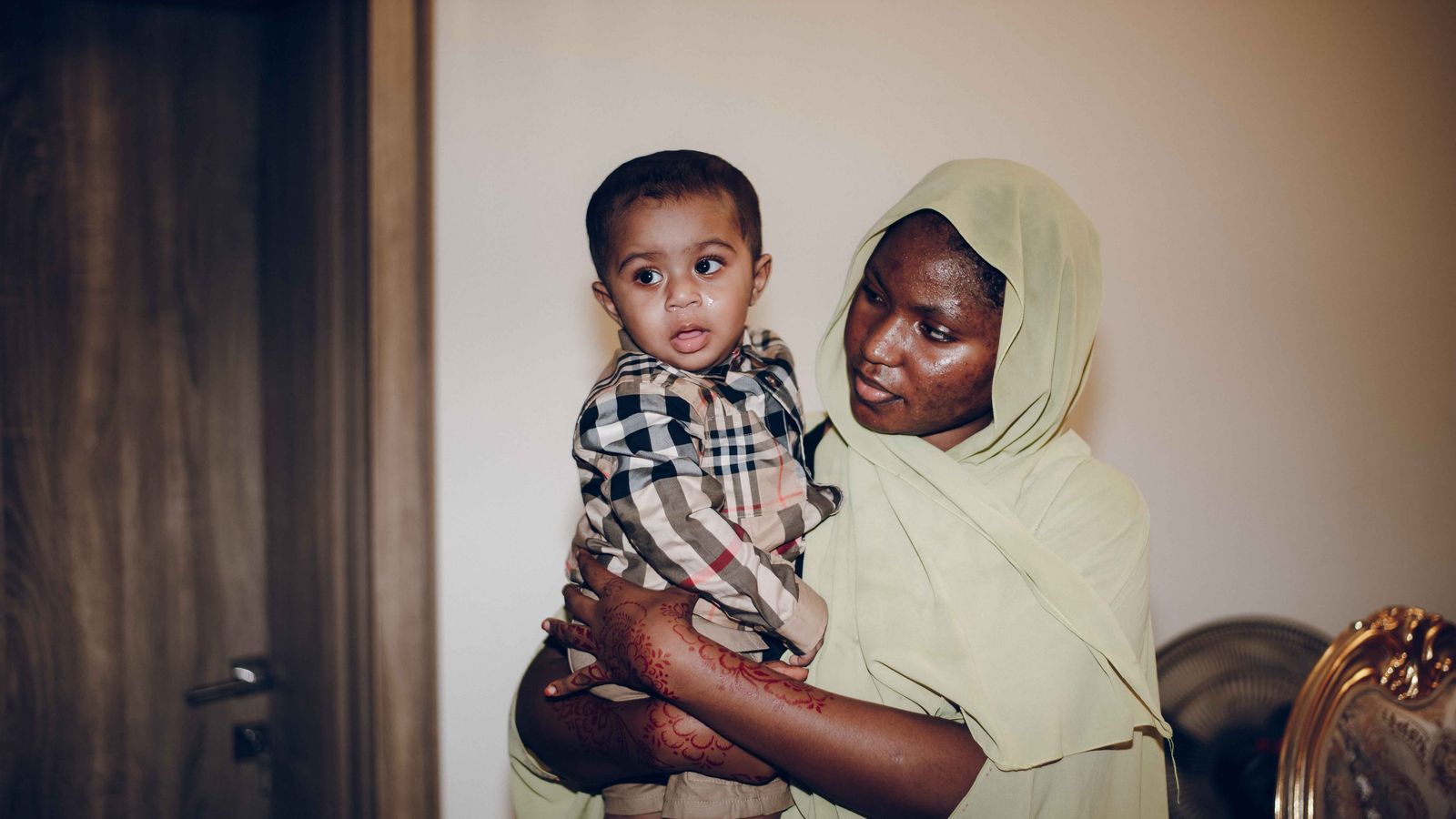
A mother lovingly holds her baby while indoors, showcasing their cultural attire.
The Conversation Goes Mainstream
What was once whispered in mom groups is now a public debate. Across social media platforms and parenting forums, mothers in legal states are sharing testimonials about using cannabis—edibles, tinctures, low-dose vapes—to manage stress, anxiety, and the sensory overload of full-time caregiving. Some describe microdosing before bedtime routines. Others talk about weekend edibles that help them stay present during playground visits.
The testimonials aren't fringe. A 2025 survey by the American College of Obstetricians and Gynecologists found that roughly one in eight mothers in legal-cannabis states reported using marijuana at least occasionally to manage parenting stress. That's double the rate from three years prior.
But the anecdotes have also triggered a wave of medical caution. Pediatricians, toxicologists, and family-medicine specialists are now speaking out—not to condemn, but to clarify what the science does and doesn't yet know.
What Doctors Are Saying
The medical consensus is careful, not categorical. Dr. Nora Volkow, director of the National Institute on Drug Abuse, told Yahoo Health that while cannabis can reduce subjective feelings of stress, there's no clinical evidence it improves parenting outcomes. Emerging data suggest cognitive trade-offs that matter in high-stakes caregiving moments.
"We see slower reaction times, impaired short-term memory, and reduced executive function in controlled studies," Volkow said. "Those deficits don't disappear just because the user feels calmer."
Dr. Sheryl Ryan, chair of the American Academy of Pediatrics' substance-use committee, echoed the concern in a statement released this week. Young children are uniquely vulnerable to accidental ingestion, Ryan emphasized, and impaired supervision—even mild impairment—raises injury risk. The AAP continues to recommend against any recreational cannabis use by parents of children under age five.
The Legal and Custody Dimension
Even in legal states, cannabis use can trigger child-welfare investigations. Family-court attorneys report a sharp uptick in custody disputes where one parent alleges marijuana impairment by the other. In states like California and Colorado, judges have discretion to order drug testing and restrict custody if use is deemed a safety risk—even when the parent holds a valid medical card.
That legal gray zone is widening the gap between what's socially acceptable and what's legally defensible. One Colorado family attorney, who requested anonymity to discuss active cases, said she now advises clients to avoid any cannabis use during custodial time, regardless of legality. "Judges still see it as a liability," she said. "The risk isn't worth the relief."
Stakes are higher for parents in prohibition states, where any admission of use can be classified as child endangerment. Advocates note that the burden falls disproportionately on low-income and Black mothers, who face higher rates of drug testing and harsher penalties in family court.
The Research Gap
Science hasn't caught up to the cultural shift. No large-scale longitudinal studies have tracked developmental outcomes for children raised by cannabis-using parents in legal markets. The few studies that exist focus on prenatal and breastfeeding exposure, not on the day-to-day caregiving environment.
Dr. Ryan acknowledged the gap. "We're extrapolating from alcohol research and from workplace-impairment studies," she said. "That's not ideal, but it's what we have." She noted that the AAP is advocating for federal research funding to study real-world parenting behaviors in legal states—research that remains difficult under Schedule I restrictions, even as rescheduling to Schedule III moves forward.
Some researchers are calling for harm-reduction frameworks rather than abstinence messaging. Dr. Beatrice Dupont, a family-medicine physician in Oregon, argues that blanket prohibitions ignore the reality that some parents will use cannabis regardless. "If we're not meeting people where they are, we're not helping," Dupont said. She recommends clear guidelines: no use during active supervision, secure storage, and honest conversations with pediatricians.
What Comes Next
This debate won't resolve soon. As more states legalize and federal rescheduling advances, the cultural normalization of cannabis will continue to outpace clinical guidance. Pediatricians are bracing for more questions from parents who see cannabis as no different from a glass of wine after bedtime.
For now, the medical establishment is urging caution without moralizing. The American Academy of Pediatrics plans to release updated guidance on cannabis and parenting by year-end, according to Dr. Ryan. That guidance will likely emphasize developmental risk, legal vulnerability, and the absence of evidence for therapeutic benefit in the parenting context.
Family courts may provide the next inflection point. If custody rulings begin to reflect a more permissive view of cannabis use in legal states, that shift could accelerate acceptance. Until then, parents face a patchwork of medical advice, legal risk, and social judgment. For a deeper look at the evolving landscape, see the CannIntel topic hub on cannabis and parenting.
Frequently asked questions
Is it legal for parents to use cannabis in states where it's legal?
Yes, but legality doesn't shield parents from custody disputes or child-welfare investigations. Family courts in legal states retain discretion to restrict custody if a judge deems use a safety risk, even with a valid medical card.
What do doctors say about using cannabis to manage parenting stress?
Most pediatricians and family-medicine specialists urge caution. While cannabis may reduce subjective stress, studies show it impairs reaction time, memory, and executive function—skills critical for supervising young children. No clinical evidence supports improved parenting outcomes.
Are there any studies on children raised by cannabis-using parents?
No large-scale longitudinal studies exist. Current research focuses on prenatal and breastfeeding exposure, not day-to-day caregiving. The American Academy of Pediatrics is advocating for federal funding to study real-world parenting behaviors in legal markets.
What are the main risks doctors cite?
Pediatricians highlight three risks: cognitive impairment during supervision, accidental ingestion by children, and legal vulnerability in custody disputes. Even mild impairment can increase injury risk for young children.
Will medical guidance change as legalization expands?
Likely. The American Academy of Pediatrics plans to release updated guidance by year-end. Experts expect a shift toward harm-reduction messaging rather than blanket abstinence, though caution will remain the dominant theme.
Sources
The cannabis newsletter you forward to your team.
Federal policy, market data, grower alerts, and the one story that matters today. Sent every weekday at 7am. Free.
No spam. Unsubscribe with one click. 21+ only.
Related from Culture

THC Beverages Help Consumers Quit Alcohol, New Survey Shows
Cannabis drink users report reduced alcohol consumption, with many citing better sleep and fewer hangovers as primary motivators.

Legal Cannabis Odor Complaints Surge as Regulators Scramble for Solutions
Neighbors in adult-use states are filing thousands of smell complaints, forcing cities to draft new odor-control ordinances.

Cannabis Consumers Favor Restaurants Offering THC Drinks, Poll Shows
New survey data reveals cannabis users are significantly more likely to dine at establishments serving THC beverages as alcohol alternatives.
More from the newsroom

Rhode Island blocks local opt-outs for marijuana retail in 2027
State law will prohibit municipalities from banning licensed cannabis shops starting January 1, 2027.

California Seizes $104 Million in Illegal Cannabis in Multi-County Bust
Coordinated enforcement across multiple California counties nets over $104 million in illicit product in one of the state's largest-ever cannabis seizures.

Eight Companies Apply for Industrial Cannabis Licenses in Ghana
Ghana's Narcotics Control Commission reviews cultivation applications as West African nation advances regulated hemp program.