Illinois Cannabis Sales Climb, Raising Excise Tax and 280E Stakes
An AOL.com report says Illinois cannabis sales are rising, but the tax tiers under the state's 2020 legalization law decide who actually benefits.
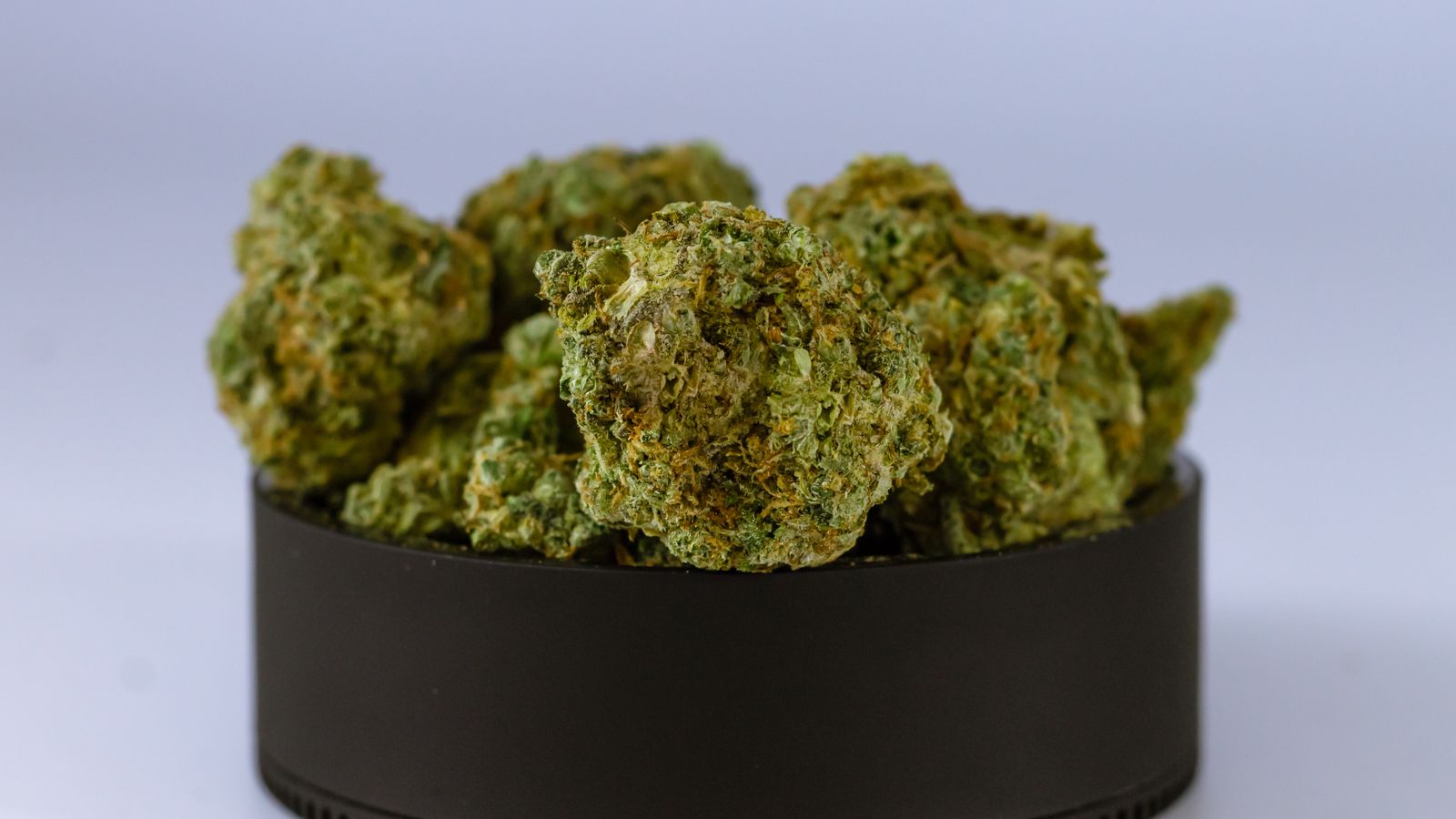
High-quality close-up image of cannabis buds in a black container, showcasing their texture and detail.
Report points to growth, but the feed carried no figures
The AOL.com item headlined "Illinois cannabis sales are on the rise" was the only verifiable data point available to CannIntel, and it supplied no dollar totals, comparison periods or named sources.
That limits what can responsibly be said. A direction without a denominator isn't a number, and this newsroom won't invent one.
Not yet. Until the underlying figures surface from the Illinois Department of Financial and Professional Regulation (IDFPR) or the Illinois Department of Revenue, the useful work is mapping how any sales increase moves through the tax code.
The excise structure turns product mix into a tax variable
Illinois taxes adult-use purchases under the Cannabis Regulation and Tax Act (410 ILCS 705), which took effect Jan. 1, 2020, using three tiers keyed to THC content and product type.
On a strict reading of the statute, flower and products at or below 35% THC carry a 10% excise tax. Cannabis-infused products such as edibles carry 20%. Anything above 35% THC carries 25%. The purchaser bears the tax and the dispensary collects it.
So "sales are up" can mean very different things for state revenue. A rise driven by mid-potency flower yields a different tax take than the same dollar rise driven by high-THC concentrates. The headline doesn't say which one happened.
Cultivators sit in a separate lane. The Act also imposes a cultivation privilege tax on gross receipts from cultivator sales to dispensing organizations, so growth upstream and growth at the register are taxed at different points and by different formulas.
Section 280E caps what operators keep from the gain
Under IRC §280E, plant-touching cannabis businesses can't deduct ordinary operating expenses, so higher revenue doesn't convert to proportionate after-tax profit.
The mechanics are blunt. A licensed Illinois operator can recover cost of goods sold, but rent, payroll outside production, marketing and similar expenses stay nondeductible at the federal level. Revenue growth therefore increases the taxable base faster than it increases cash.
That math is hard to argue with. Two operators with identical top-line growth can report sharply different effective federal rates depending on how much of their cost structure qualifies as inventory cost under IRC §471.
A headline about rising sales tells an operator very little until the gain is split by tax tier, product category and sales channel.
Local taxes and three regulators complicate the picture
Illinois splits oversight among IDFPR for dispensaries, the Department of Agriculture for cultivation and the Department of Revenue for tax administration, and municipalities and counties may layer local cannabis taxes on top.
Each agency publishes different data. Sales totals, license counts and tax receipts don't necessarily line up in a single release, which is why a general claim of growth can be accurate and still hard to verify. Local add-on taxes, subject to the caps in the Act, also mean the same product can carry a different all-in rate depending on the storefront's address.
Medical patients are treated differently from adult-use buyers under the Act. Any shift in the medical-to-adult-use mix changes the tax yield even if total transactions hold steady.
For full background on this story, see the CannIntel topic hub on Illinois cannabis sales.
What operators and investors should request next
The documents that would make this report actionable are state sales data broken out by product category, the Department of Revenue's excise receipts by tier, and the comparison period behind the "on the rise" claim.
Operators should check whether the growth reflects higher transaction counts or higher average basket size. Price compression in a maturing market can inflate unit volume while shrinking revenue per unit, and the two lead to opposite conclusions about health.
Investors in Illinois multistate operators (MSOs) should match any state-level gain against their own reported same-store figures and effective tax rates. State-wide growth can coexist with share loss at a given company.
Regulators hold the answers. The IDFPR and the Department of Revenue can settle the question with a single dataset.
The next signal to watch is the next monthly sales release from IDFPR, which would show whether the AOL.com headline reflects a durable trend or one strong period. If it includes a tier-level breakdown, the excise tax story writes itself.
Frequently asked questions
Are Illinois cannabis sales increasing?
An AOL.com report published Oct. 11, 2026 said Illinois cannabis sales are on the rise. The syndicated item reviewed by CannIntel included no dollar totals or comparison periods, so the size and pace of the increase can't yet be verified.
How is adult-use cannabis taxed in Illinois?
Under the Cannabis Regulation and Tax Act, adult-use purchases carry an excise tax of 10% for products at or below 35% THC, 20% for cannabis-infused products and 25% for products above 35% THC. Local taxes may apply on top, subject to statutory caps.
Why doesn't higher revenue always mean higher profit for Illinois cannabis operators?
IRC §280E bars deductions for ordinary business expenses at companies that traffic in Schedule I or II substances. Operators can recover cost of goods sold but not items like rent or marketing, so federal taxable income rises faster than cash.
Which Illinois agencies track cannabis sales and taxes?
The Illinois Department of Financial and Professional Regulation oversees dispensaries, the Department of Agriculture oversees cultivation, and the Department of Revenue administers cannabis taxes. Each publishes different datasets, so figures can differ by source.
Sources
The cannabis newsletter you forward to your team.
Federal policy, market data, grower alerts, and the one story that matters today. Sent every weekday at 7am. Free.
No spam. Unsubscribe with one click. 21+ only.
Related from Business
Robbinsville Council Hears Four Dispensary Applicants' Pitches
Four dispensary applicants pitched Robbinsville's council, TAPinto reported, shifting a New Jersey retail contest from state paperwork to a local beauty pageant.

Illinois Report Shows Cannabis Volume Up, Revenue and Taxes Down
A new state report shows Illinois customers bought more cannabis at lower prices, a mix that cut sales revenue and tax collections.

Safe Harbor Marijuana Banking Deposits Hit $119.3M, Up 7.4%
Deposits tied to Safe Harbor's cannabis banking business rose 7.4% year over year, a steady gain that leaves the larger access question open.
More from the newsroom

Goldberg Loses Bid to Oust Cannabis Appointee, Now Defends Office
Massachusetts Treasurer Deb Goldberg lost a yearslong effort to remove her Cannabis Control Commission appointee, and the fallout now shadows her own campaign.

Cannabis Retailers Object to Minimum Store Staffing Rules
CTV News reports retailer pushback on minimum staffing requirements at cannabis stores, but the rule's citation, regulator and thresholds remain unconfirmed.

Report Says CBD Study Cut Alzheimer's Damage; Details Unverified
The Marijuana Herald reported a study linking CBD to better memory and less Alzheimer's-related brain damage, but the underlying research hasn't been identified.