Aurora Cannabis Faces Evolving Market Pressures Amid Industry Shift
Canadian LP confronts margin compression and consolidation as North American cannabis markets mature.
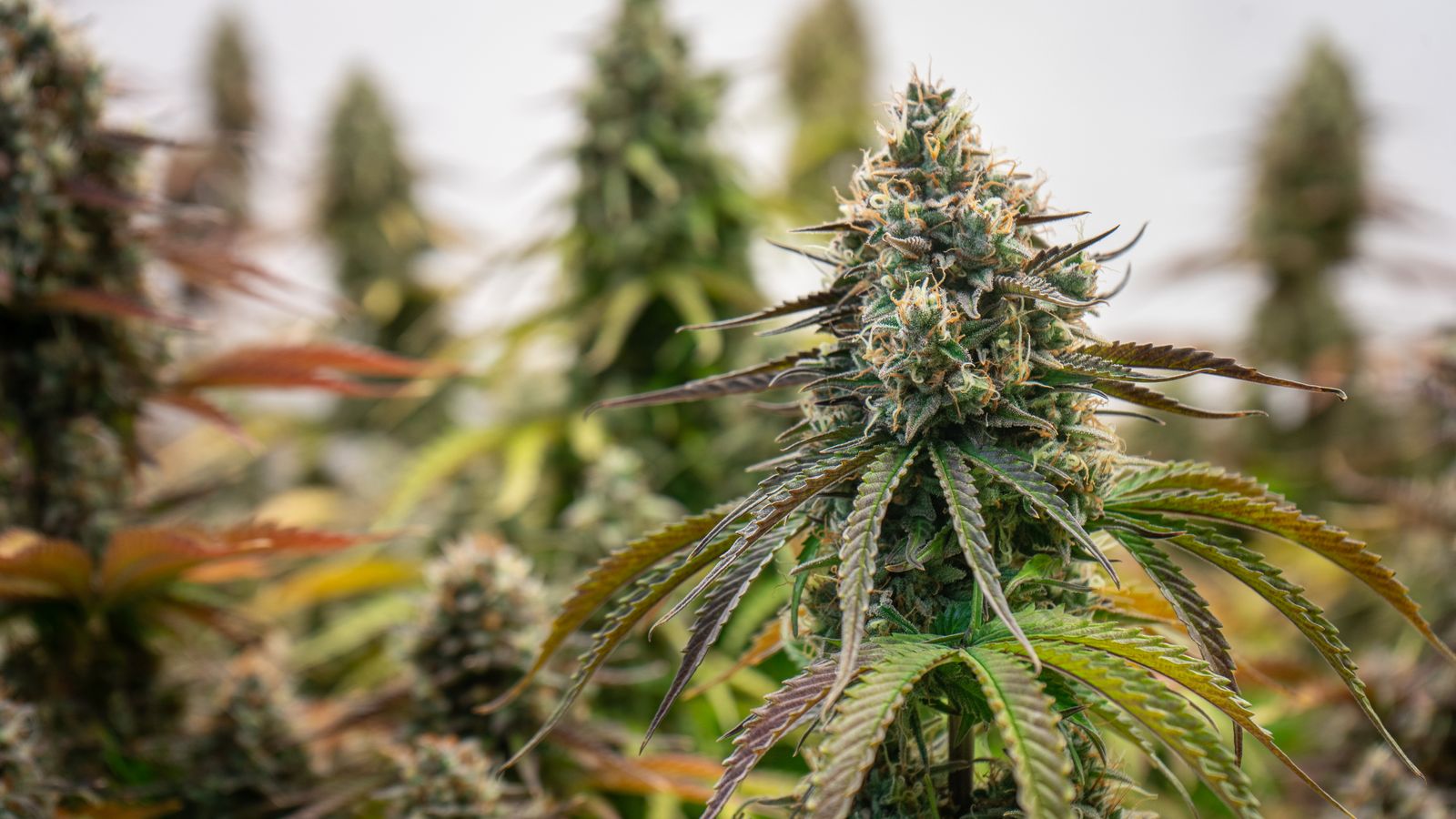
Detailed view of a cannabis plant in a greenhouse, highlighting its lush buds.
Aurora's Market Position Under Pressure from Oversupply and Price Erosion
Aurora Cannabis operates in a Canadian market characterized by structural oversupply and declining wholesale prices. The company reported net revenue of C$247 million in fiscal 2025, down from C$286 million the prior year, as average selling prices per gram fell across adult-use and medical channels. Gross margins compressed to 38% from 42% year-over-year. Every major Canadian LP feels this squeeze.
The bull case hinges on Aurora's international medical footprint, particularly in Germany and Australia, where regulated supply constraints support higher margins. Bears point to continued domestic price deflation. They also cite high cash-burn rates that have pressured the stock, which trades near 52-week lows.
U.S. Rescheduling Creates Competitive Asymmetry for Canadian Operators
The DEA's ongoing review of cannabis rescheduling to Schedule III introduces a strategic variable Aurora can't control. If enacted, U.S. multi-state operators would gain 280E tax relief, improving EBITDA margins by an estimated 15-25 percentage points and widening the capital-access gap between American MSOs and Canadian LPs. Aurora lacks direct U.S. cultivation or retail operations, limiting its ability to capitalize on domestic liberalization.
Canadian LPs historically served as proxies for U.S. cannabis exposure on major exchanges. That thesis has eroded as U.S. operators list on Canadian bourses and institutional capital flows increasingly favor domestic operators over legacy importers.
Consolidation Wave Reshapes Competitive Dynamics
The Canadian cannabis sector has seen six material M&A transactions since January 2026, including Tilray's acquisition of Hexo and Canopy Growth's divestiture of non-core assets. Aurora has pursued partnerships rather than acquisitions, including its June 2026 supply agreement with a European pharmaceutical distributor. Management has signaled openness to inorganic growth but faces balance-sheet constraints. Net debt stood at C$178 million as of June 30, 2026.
Smaller LPs with sub-scale operations face existential pressure. Aurora's 1.3 million square feet of licensed cultivation capacity positions it in the middle tier—large enough to achieve some economies of scale, but not dominant enough to dictate terms with provincial wholesalers.
International Medical Revenue Offers Margin Refuge
Aurora generated C$89 million in international medical sales in fiscal 2025, representing 36% of total revenue. Germany remains the largest contributor, where Aurora holds one of five cultivation licenses awarded under the country's domestic-grow pilot. Australian sales grew 22% year-over-year, driven by expanded prescriber networks and reimbursement approvals.
These markets offer gross margins 10-15 percentage points higher than Canadian adult-use channels, though regulatory timelines remain unpredictable. Germany's recreational framework, expected in 2027, could either expand Aurora's addressable market or invite new competition from EU-based cultivators.
Investor Outlook Hinges on Cash Runway and Revenue Stabilization
Aurora ended Q4 fiscal 2025 with C$104 million in cash and short-term investments. At current burn rates, the company has roughly 18-24 months of runway without additional financing, according to analyst estimates. Management has guided toward adjusted EBITDA breakeven by fiscal Q2 2026, contingent on cost reductions and stable pricing.
The stock trades at 0.6x trailing revenue, a discount to peers like Tilray (0.9x) and Organigram (0.8x). This reflects investor skepticism about Aurora's path to sustained profitability. For full background on Aurora's strategic positioning, see the CannIntel topic hub on Aurora Cannabis (ACB).
The next inflection point: fiscal Q1 2026 earnings, expected in early November, where investors will scrutinize cash consumption and international revenue growth rates. If Aurora can demonstrate sequential margin improvement and international momentum, the valuation gap may narrow. If not, dilution or strategic alternatives become more likely.
Sources
The cannabis newsletter you forward to your team.
Federal policy, market data, grower alerts, and the one story that matters today. Sent every weekday at 7am. Free.
No spam. Unsubscribe with one click. 21+ only.
Related from Business

First Medical Cannabis Dispensary Opens in North Alabama
Operators launch the region's inaugural medical cannabis retail location as Alabama's program expands northward.

High Tide Reports Record Q3 2026 Revenue, Details Withheld
Canadian cannabis retailer announces record third-quarter results but withholds key financial metrics in initial disclosure.

Canopy Growth Narrows Losses but Stock Lags on Investor Skepticism
Despite operational improvements and reduced quarterly losses, Canopy Growth shares remain flat as investors question path to profitability.
More from the newsroom

Ohio identifies Vapen cartridge in health complaints, store closure
Vext names product after state investigation triggers dispensary shutdown and patient reports.

New York vows hemp THC beverage crackdown amid illegal retail surge
State officials acknowledge widespread unlicensed sales despite prohibition outside licensed cannabis channels.

Teen Cannabis Surveys Miss Rising Use Disorder, Kaiser Study Finds
Self-reported adolescent consumption data diverge from clinical diagnoses, masking treatment gaps in legalized states.