Rastafari Leaders Push Antigua And Barbuda To Become Cannabis Tourism Hub
Religious leaders are pressing the twin-island nation to legalize cannabis tourism and capture revenue flowing to Jamaica and Trinidad.
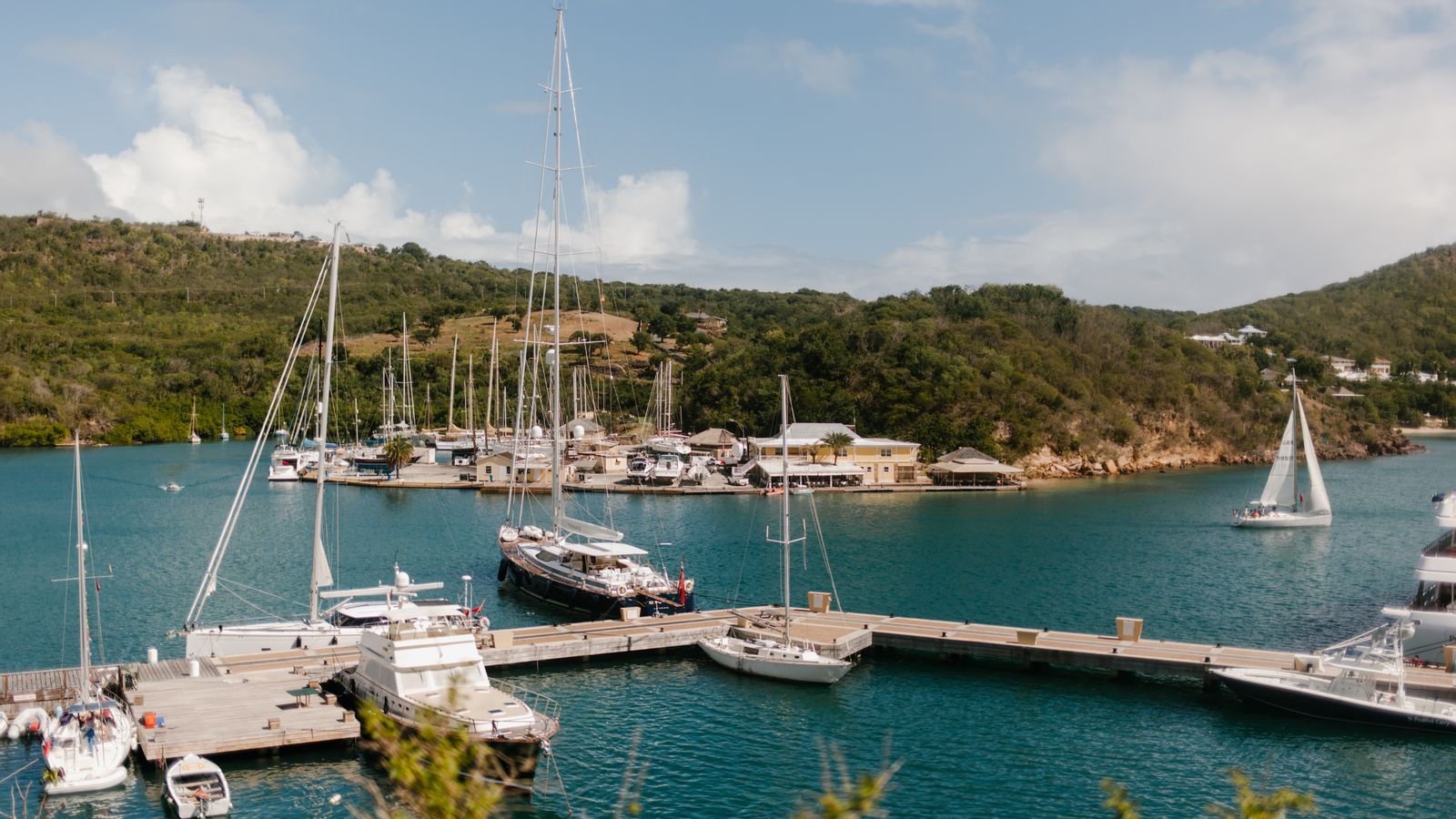
Aerial shot of a marina with sailboats and yachts moored by lush green hills.
The Competitive Threat Is Real
Jamaica's cannabis tourism sector has grown into a $50 million annual industry since 2015 decriminalization, and Antigua's Rastafari community argues their nation is leaving money on the table. The push comes as Saint Lucia, Trinidad and Tobago, and Saint Vincent and the Grenadines have all moved toward regulated frameworks that allow sacramental and medicinal use—creating a patchwork of legal regimes that tourists are learning to navigate.
Antigua and Barbuda decriminalized possession of up to 15 grams in 2018 but stopped short of licensing retail sales or tourism-facing businesses. That half-measure has left the islands in a strategic no-man's-land: decrim enough to avoid enforcement headlines, but not open enough to compete for the wellness-travel dollar.
Rastafari leaders argue that religious sacrament protections—already recognized in limited form under Antiguan law—should be extended into a commercial licensing regime. They want ganja farms, consumption lounges, and branded experiences tied to Rastafari culture.
What Rastafari Leaders Are Asking For
The proposal centers on a hybrid sacramental-commercial model that would license Rastafari-operated farms and tourism ventures while keeping sales restricted to registered visitors and religious practitioners. This mirrors the approach taken by Saint Vincent, where the government has issued cultivation licenses to Rastafari cooperatives that supply both sacramental and export markets.
Key demands include fast-track licensing for Rastafari-owned businesses, tax incentives for agritourism ventures, and legal protections that treat cannabis use in religious ceremonies the same way communion wine is treated in Christian contexts. Leaders have cited the constitutional right to religious freedom as the legal foundation for the push.
The economic argument is straightforward. Antigua's tourism sector generates roughly $800 million annually, and cannabis tourism could add 5-8% to that figure if the islands capture even a fraction of the regional flow. Jamaica's Negril and Montego Bay have become magnets for ganja-curious travelers, and Antigua's Rastafari community believes they can offer a more intimate, culturally rooted alternative.
Why Antigua Has Hesitated
The government has been reluctant to move beyond decriminalization, citing concerns about U.S. banking access, cruise-line partnerships, and the risk of alienating conservative voters ahead of the 2027 general election. Prime Minister Gaston Browne has publicly supported cannabis law reform in principle but hasn't committed to a timeline for commercial legalization.
Banking remains the thorniest issue. Antiguan banks rely heavily on U.S. correspondent relationships, and several regional banks have faced de-risking pressure after cannabis businesses opened accounts. That dynamic has made the Ministry of Finance wary of any licensing regime that could trigger compliance reviews by U.S. regulators.
The cruise-line variable is less discussed but equally important. Carnival, Royal Caribbean, and Norwegian—who together account for 60% of Antigua's visitor arrivals—have strict no-cannabis policies onboard and have privately warned Caribbean governments that port calls could be affected if cannabis retail proliferates near terminals. That threat has kept Antigua's tourism ministry cautious.
The Jamaica Benchmark
Jamaica's cannabis tourism sector has created 3,000 jobs and generated $50 million in annual revenue since the Cannabis Licensing Authority began issuing retail and agritourism licenses in 2015. Visitors can now tour licensed farms, attend cooking classes, book spa treatments with cannabis-infused products, and purchase up to two ounces from licensed dispensaries.
The model has worked because Jamaica built regulatory infrastructure before opening the floodgates: a licensing authority with enforcement teeth, a seed-to-sale tracking system, and tax collection mechanisms that ensure the government captures revenue. Antigua has none of that yet.
Rastafari leaders counter that Antigua doesn't need Jamaica's scale to succeed—it needs a niche. A boutique, culturally anchored cannabis tourism sector could command premium pricing and attract the wellness-travel demographic that already visits for yoga retreats and eco-lodges. The math works if the product is differentiated.
Regional Momentum Is Building
Saint Lucia launched a cannabis licensing regime in 2024, Trinidad and Tobago passed its Cannabis Control Act in 2025, and Saint Vincent has issued 47 cultivation licenses to date—all of which puts pressure on Antigua to move or risk irrelevance. The Eastern Caribbean isn't debating whether to legalize anymore. It's debating how fast and how open.
Saint Vincent's approach has been particularly instructive. The government issued licenses to Rastafari cooperatives first, then opened a second tier for foreign investment. That sequencing gave local operators a head start and built political goodwill. Antigua's Rastafari leaders are asking for the same priority.
Trinidad's Cannabis Control Act, which allows licensed dispensaries and a medical program, has already attracted $40 million in private investment from Canadian and U.S. operators. That capital is flowing to jurisdictions with clear rules. Antigua isn't on the shortlist.
The Political Calendar
With a general election scheduled for 2027, Prime Minister Browne is unlikely to champion cannabis tourism legislation until after voters have spoken—but Rastafari leaders are betting that public opinion has shifted enough to make legalization a winning issue. Polling data from the University of the West Indies shows 58% of Antiguans support full legalization, up from 41% in 2020.
Rastafari organizers have built a coalition that includes the Antigua and Barbuda Hotel and Tourism Association, several prominent resort operators, and a bloc of younger MPs who view cannabis policy as both an economic and a justice issue. That coalition has enough votes to force a parliamentary debate, but not enough to override Browne's veto.
Timing matters here. If Antigua waits until 2028 to act, Jamaica, Saint Lucia, and Trinidad will have three-to-five-year head starts in building brand recognition and locking in repeat visitors. The window for competitive entry is narrowing.
What To Watch
The next signal will be whether the Browne government agrees to a parliamentary inquiry on cannabis tourism before the end of 2026. Rastafari leaders have requested a formal study modeled on Jamaica's 2014 Ganja Commission, which laid the policy groundwork for decriminalization. If the government greenlights that inquiry, legislation could follow in 2027 or 2028.
The alternative scenario is that Antigua continues to drift in decrim limbo while its neighbors capture the tourism upside. That's the outcome Rastafari leaders are trying to prevent—and the one the data suggests is most likely unless political will materializes quickly.
For operators watching the Caribbean, the thesis is simple: the islands that move first will own the category. Antigua still has time. Not much.
Frequently asked questions
Has Antigua and Barbuda legalized cannabis?
Antigua decriminalized possession of up to 15 grams in 2018 but has not legalized retail sales or cannabis tourism. Sacramental use by Rastafari practitioners is recognized in limited form, but there is no commercial licensing framework.
How big is Jamaica's cannabis tourism industry?
Jamaica's cannabis tourism sector generates approximately $50 million annually and has created 3,000 jobs since the Cannabis Licensing Authority began issuing retail and agritourism licenses in 2015.
Why hasn't Antigua legalized cannabis tourism yet?
The government has cited concerns about U.S. banking access, cruise-line partnerships, and conservative voter opposition. Prime Minister Gaston Browne has supported reform in principle but has not committed to a timeline.
Which Caribbean islands have legalized cannabis?
Jamaica decriminalized in 2015 and allows licensed retail and tourism. Saint Lucia launched licensing in 2024, Trinidad passed its Cannabis Control Act in 2025, and Saint Vincent has issued 47 cultivation licenses to date.
What are Rastafari leaders asking for?
They want a hybrid sacramental-commercial model with fast-track licensing for Rastafari-owned farms and tourism ventures, tax incentives for agritourism, and legal protections for religious cannabis use.
Sources
The cannabis newsletter you forward to your team.
Federal policy, market data, grower alerts, and the one story that matters today. Sent every weekday at 7am. Free.
No spam. Unsubscribe with one click. 21+ only.
Related from Business

High Tide Reports Record Q3 2026 Revenue, Details Withheld
Canadian cannabis retailer announces record third-quarter results but withholds key financial metrics in initial disclosure.

Canopy Growth Narrows Losses but Stock Lags on Investor Skepticism
Despite operational improvements and reduced quarterly losses, Canopy Growth shares remain flat as investors question path to profitability.
U.S. Census Reports $3.55B in Cannabis Excise Tax Revenue Across 30 States
Federal data tracks state-level cannabis tax collections for the first time despite Schedule I status.
More from the newsroom

Teen Cannabis Surveys Miss Rising Use Disorder, Kaiser Study Finds
Self-reported adolescent consumption data diverge from clinical diagnoses, masking treatment gaps in legalized states.

Vermont Lt. Gov. Rodgers Settles Cannabis Grow Violation With Reduced Fine
John Rodgers will pay a lower penalty after state regulators found violations at his cultivation business.

Antigua Weighs Rastafari Religious Exemptions in Cannabis Framework
Caribbean nation examines sacramental-use carveouts as faith leaders press for formal protections.