Pennsylvania Senate Democrat Says Adult-Use Not a 2027 Priority
The state's top Democratic senator said adult-use legalization is not among the high-priority items as his party prepares to take control of the Legislature in 2027.

Stunning view of the ornate ceiling and arches in a historical building's interior.
A Democratic majority doesn't equal a legalization calendar
The state's top Democratic senator said legalizing cannabis for adults is not "one of the high-priority items" as his party takes control of the Legislature in 2027, according to Cannabis Business Times.
The remark, reported Nov. 16, 2026, lands as one of the clearest signals yet about where adult-use sits in the incoming Democratic agenda. It isn't a veto. It's a prioritization statement, and in a legislature where floor time is scarce, prioritization is often the whole game.
CannIntel's signal data doesn't name the senator in its summary text, so the underlying report should be consulted for the full context of the remarks. What the summary does establish is the posture. Leadership is declining to put legalization at the front of the line.
Why the framing matters more than the party label
A majority caucus decides what reaches the floor, so a leader's stated priorities function as a de facto calendar.
In Pennsylvania's General Assembly, bills move through committee referral, committee votes, and floor consideration in each chamber before reaching the governor. Legislative leaders control much of that sequence through committee assignments and floor scheduling. When a majority leader says an item isn't high-priority, committee action slows and hearings get scarce.
That's the part of the story that headline vote counts miss. Legalization advocates often assume a friendly majority translates to a vote. It doesn't. Not without a leader willing to spend floor time on it.
What competes for the same legislative bandwidth
Adult-use legalization is competing with the budget and other agenda items for a limited number of session days.
The state budget is the dominant constraint every session. Pennsylvania has a recurring history of late budgets, and a protracted fight over appropriations can eat months of a calendar year. Any policy bill, cannabis included, has to work around that process.
The signal summary frames the issue as sitting behind "more important" matters, though it doesn't list them in the text available here. Readers tracking the issue should watch which bills leadership does schedule in the first quarter of 2027. That will reveal the real ordering better than any single quote.
The medical program remains the operating framework
Pennsylvania's cannabis market remains a medical-only program, so operators have no adult-use revenue to plan around in 2027.
The state regulates medical marijuana under the Medical Marijuana Act, Act 16 of 2016, administered by the Department of Health. Permitted growers, processors, and dispensaries operate within that framework, and many have been waiting on adult-use as a potential expansion of their addressable market.
For those operators, a de-prioritized adult-use bill means capital planning should assume the status quo through at least the next session. Expansion-minded licensees and investors pricing in a Pennsylvania opening now have a data point pushing the timeline right.
The regional competitive pressure keeps building
Pennsylvania borders several states with established adult-use markets, which sustains pressure on lawmakers even when leadership declines to move.
New Jersey, New York, Ohio, Maryland, and Delaware have all moved on adult-use in various forms, and Pennsylvanians can cross state lines to buy. That leakage is the standing argument for legalization: tax revenue and sales that Pennsylvania forgoes to its neighbors.
It's a durable argument. But durable arguments don't schedule bills. A leader can acknowledge the revenue case and still decline to make it a first-year priority, which is the posture the Cannabis Business Times report describes.
What advocates and operators can actually do
With leadership signaling low priority, the realistic near-term paths are narrower bills, committee-level engagement, and building a record for a later session.
Advocates still have a few procedural levers. They can push for committee hearings that put testimony on the record. They can seek bipartisan sponsorship to demonstrate a vote path, and they can pursue incremental measures that don't require full legalization. None of that substitutes for leadership buy-in, but it preserves momentum.
Opinion: this is a sober but not fatal development. A leader saying "not a priority" in November is different from a leader saying "never," and priorities shift once budget season passes. Still, operators would be unwise to build a 2027 plan around a legalization vote.
Where this fits in the broader Pennsylvania story
The comment is the latest chapter in a multi-year effort to legalize adult-use in Pennsylvania that has repeatedly stalled at the legislative stage.
For full background on this story, see the CannIntel topic hub on Pennsylvania adult-use legalization. The history there shows a pattern of periodic momentum, a divided legislature, and no enacted framework.
Many saw the 2027 change in control as a potential unlock. This statement suggests the unlock depends on leadership choosing to spend political capital, and that choice hasn't been made.
Watch the first committee schedule and bill-introduction cadence of the 2027 session. It will show whether adult-use gets a hearing at all or waits for a later year.
For complete background, history, and our ongoing coverage of this story:
Open the CannIntel topic hub →Frequently asked questions
Did Pennsylvania's Democratic senator rule out adult-use cannabis legalization?
No. According to Cannabis Business Times, the senator said legalization is not one of the high-priority items for 2027. That's a prioritization statement, not a rejection, and it leaves open later action.
Does a Democratic majority mean Pennsylvania will legalize cannabis in 2027?
Not automatically. Majority leaders control committee assignments and floor scheduling, so a stated low priority reduces the likelihood that an adult-use bill gets time in the 2027 session.
Is recreational marijuana legal in Pennsylvania?
No. Pennsylvania operates a medical-only program under the Medical Marijuana Act, Act 16 of 2016, administered by the Department of Health. Adult-use sales are not authorized.
What should Pennsylvania cannabis operators expect in 2027?
Operators should assume the medical-only framework continues. With adult-use not a leadership priority, expansion plans that depend on a 2027 legalization vote carry significant timing risk.
Sources
The cannabis newsletter you forward to your team.
Federal policy, market data, grower alerts, and the one story that matters today. Sent every weekday at 7am. Free.
No spam. Unsubscribe with one click. 21+ only.
Related from Laws

Virginia Committee Recommends Marijuana Law Changes for 2027
A Virginia legislative committee has proposed amendments to the state's marijuana legalization framework ahead of the 2027 General Assembly session, but the full recommendations are not yet public.

Cannabis Regulators Group Warns DEA Rescheduling Plan Strains State Supply
Cannabis Regulators Association executive Gillian Schauer says DEA's late-October medical marijuana actions leave states, patients and operators without a workable path.

Op-Ed Flags DEA Rescheduling Process as Source of Market Uncertainty
A Marijuana Moment op-ed argues DEA's handling of marijuana rescheduling has left state regulators, patients and licensed operators without a clear legal roadmap.
More from the newsroom

Testing Rules and Margin Pressure Dominate Cannabis Week of Nov. 9–15
A weekly roundup flags lab-testing rules and squeezed margins as the two forces shaping operator decisions, with import-dependent markets watching closely.

Wisconsin Democrat Says Legalization 'Definitely' Coming; GOP Leader Open
A top Wisconsin Senate Democrat predicted legalization next year while a Republican leader said he is open to discussing the issue, according to Marijuana Moment.
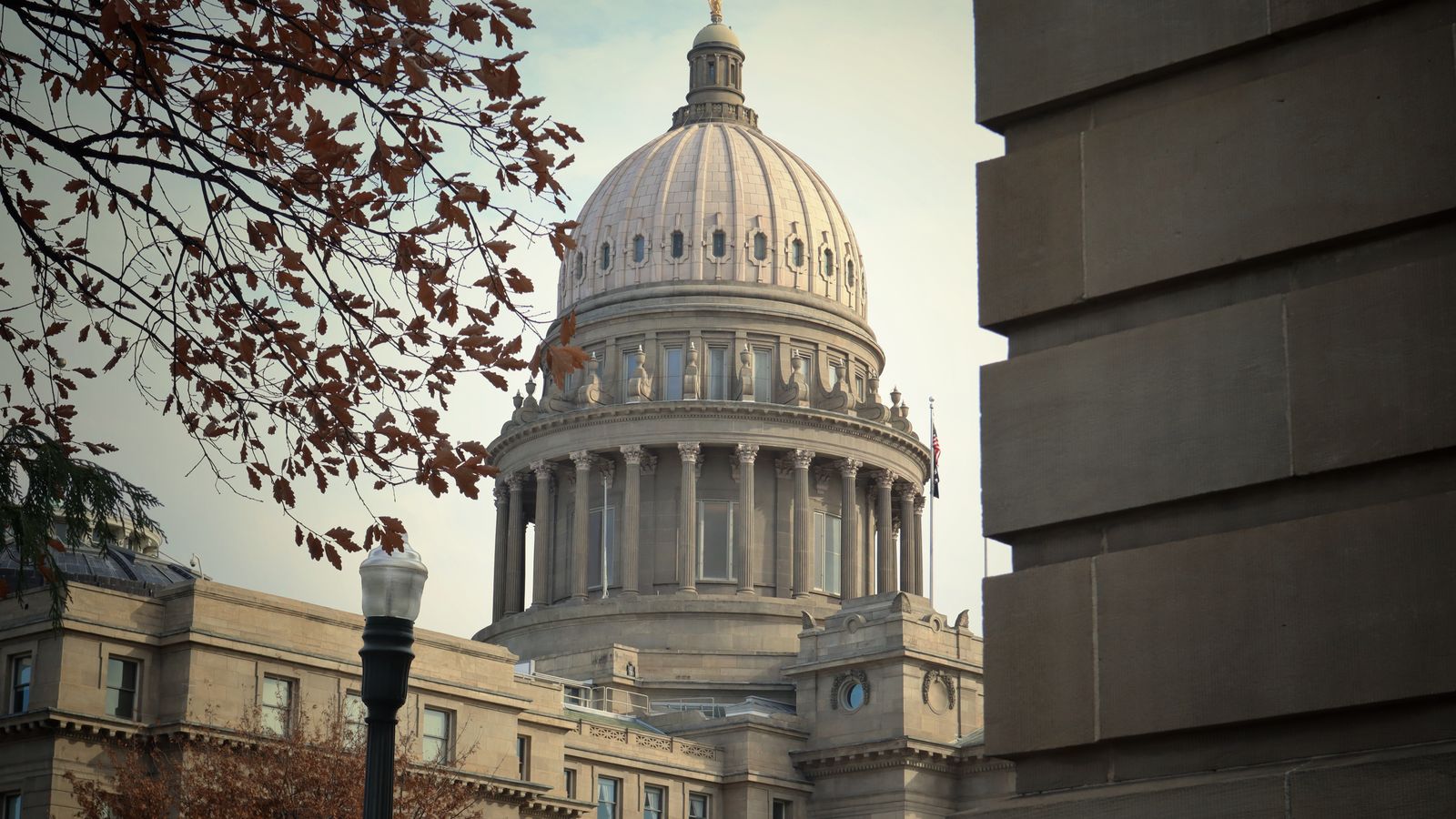
Pa. Senate Democrat Says Legalization Not 'High Priority' for 2027
A top Senate Democrat reportedly signaled that adult-use cannabis legalization is not a priority next year, leaving Pennsylvania's tax and licensing framework unwritten.