Trump Complains Democratic-Run Cities Smell Like Marijuana
The president's reported remark carries no policy change, but it lands as federal rescheduling and state-level legalization both remain unsettled.
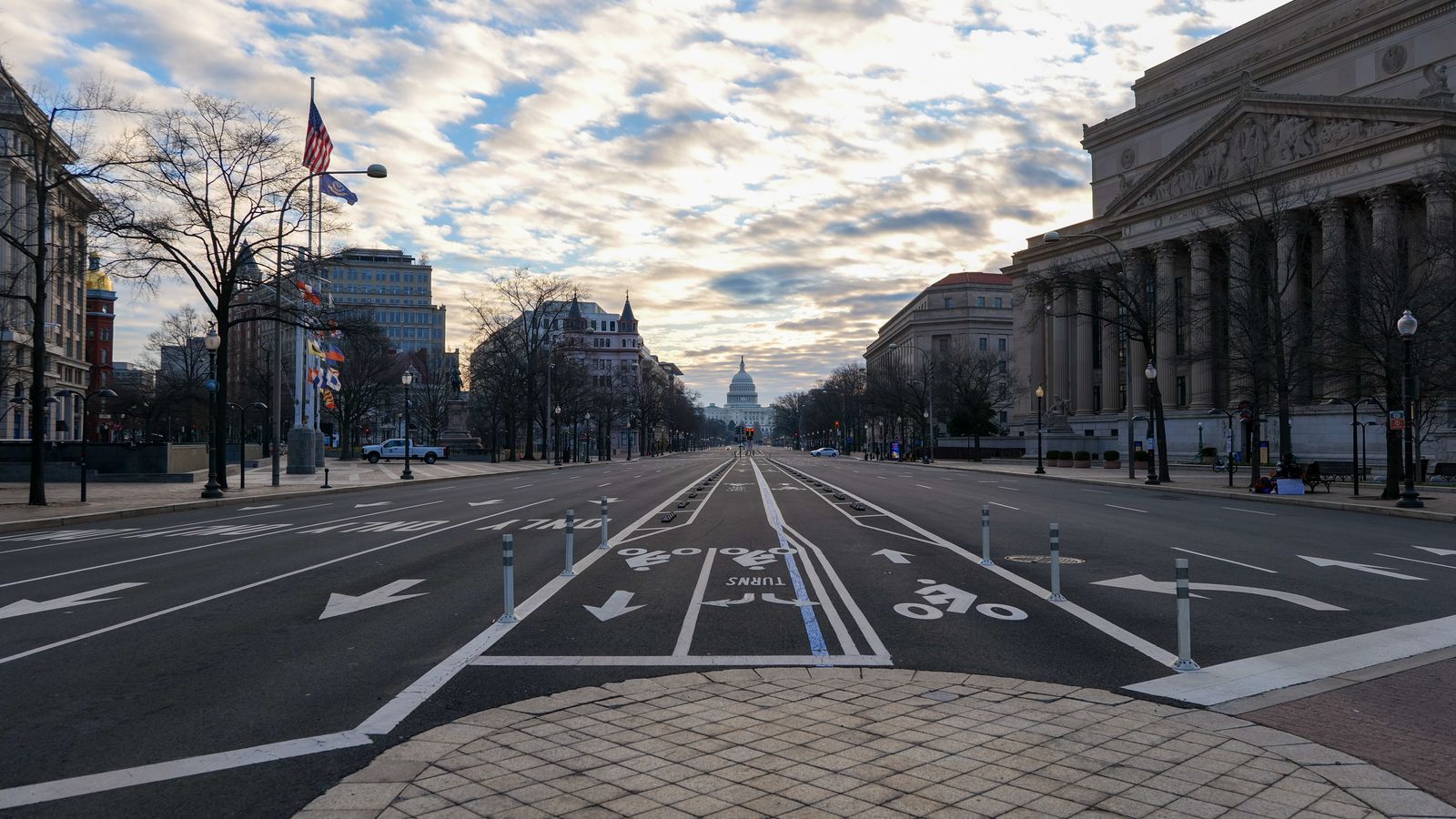
A serene early morning view of Pennsylvania Avenue with the US Capitol in the distance, Washington DC.
What was reported
Marijuana Moment reported on Oct. 10, 2026 that Trump complained Democratic-run cities smell like marijuana. That headline is the extent of what CannIntel has confirmed.
We haven't independently verified the setting, the date of the remarks, or his exact words. So we're not characterizing them beyond what the report says.
Short version: a president complained about a smell.
No policy attached, so far
Nothing in the reporting available to CannIntel describes an order, a directive, or an enforcement change. The cleanest read on this remark is that it's political framing aimed at urban Democratic governance, not a cannabis policy signal.
That distinction matters for operators. A comment can shift a news cycle. It can't change a license or a tax bill, and banking rules are beyond its reach too.
Smell and public use are local issues
Odor and public consumption are governed by state law and municipal ordinance, not by the White House. New York legalized adult use when the MRTA was signed on March 31, 2021, and that law also took odor off the table as a basis for a police search. Illinois opened its adult-use market on Jan. 1, 2020. California voters approved Proposition 64 in 2016.
Those markets still carry limits on where people can consume, set by state statute and local rules. If a city smells like cannabis, the lever is a city council or a state legislature.
The president can direct federal enforcement priorities, and that's the real question behind any comment like this. Marijuana Moment's headline doesn't report any such move.
The rescheduling backdrop
The remark arrives after Trump signed a December 2025 executive order directing the attorney general to expedite moving marijuana to Schedule III. We haven't confirmed in this signal where that process stands today, so check the status before drawing conclusions.
Schedule III wouldn't legalize anything. It would remove the 280E tax penalty for state-licensed operators, which is the financial prize the industry has chased for years. The DEA would still regulate the plant, and adult-use sales would remain outside federal law.
A president who pushes rescheduling while grumbling about the smell isn't contradicting himself. Loosening a tax rule and endorsing street-level cannabis culture are different things. For more background on where the White House stands, see the CannIntel topic hub on Trump administration cannabis policy.
The partisan map doesn't hold
Legal cannabis isn't confined to Democratic-run cities, which limits how far this framing can travel. Ohio voters approved adult-use legalization in November 2023, and Missouri voters did the same in 2022. Both states have Republican-led governments.
Polling and ballot results have repeatedly shown legalization winning in red and blue territory alike. A line aimed at big-city Democrats lands differently in a suburb of Columbus, where a licensed dispensary is just another retail storefront.
That's the tension for any Republican messaging on this. The plant's legal footprint is bigger than one party's cities.
What operators and investors should read into it
The practical risk isn't the comment itself but the frame it reinforces: legal cannabis as a symptom of urban disorder.
Rhetoric that ties legal cannabis to city decay gives local opponents a federal-level talking point, even when it changes no law.
For multi-state operators, the exposure is at the municipal level. Zoning fights, consumption-lounge debates, and odor complaints are already live issues in several jurisdictions, and a presidential comment hands opponents a quotable line.
Investors get a narrower signal. Rescheduling timelines and 280E relief drive valuations far more than a remark about smell does. That math is hard to argue with.
What to watch next
The test is whether the comment is followed by anything with legal force.
Three things would convert rhetoric into policy: a Justice Department enforcement memo, a movement on the rescheduling rule, or a White House statement tying the remark to cannabis law. None appears in the reporting we have. The next signal is whether Marijuana Moment's full story, or a White House readout, supplies the setting and context that the headline doesn't.
For complete background, history, and our ongoing coverage of this story:
Open the CannIntel topic hub →Sources
The cannabis newsletter you forward to your team.
Federal policy, market data, grower alerts, and the one story that matters today. Sent every weekday at 7am. Free.
No spam. Unsubscribe with one click. 21+ only.
Related from News

Customs Flags N3.67B Cannabis Load at Tin Can, Hands It to NDLEA
Nigeria Customs uncovered a cannabis consignment valued at N3.67 billion at Tin Can Island Port and transferred the case to NDLEA, The Guardian Nigeria reported.

Authorities raid illegal pot shops, Orange County Tribune reports
The Orange County Tribune reported raids on unlicensed cannabis storefronts on Oct. 9, 2026, but the headline is the only confirmed detail so far.

LA Progressive Pushes 'Fewer Teen Users' Thesis Investors Should Test
An Oct. 8 LA Progressive piece frames legalization and falling teen use as a paradox, and the claim cuts straight through MSO valuations and rescheduling politics.
More from the newsroom
Robbinsville Council Hears Four Dispensary Applicants' Pitches
Four dispensary applicants pitched Robbinsville's council, TAPinto reported, shifting a New Jersey retail contest from state paperwork to a local beauty pageant.

Goldberg Loses Bid to Oust Cannabis Appointee, Now Defends Office
Massachusetts Treasurer Deb Goldberg lost a yearslong effort to remove her Cannabis Control Commission appointee, and the fallout now shadows her own campaign.

Illinois Report Shows Cannabis Volume Up, Revenue and Taxes Down
A new state report shows Illinois customers bought more cannabis at lower prices, a mix that cut sales revenue and tax collections.