Vermont enacts cannabis, privacy, scalping laws for fiscal 2027
A suite of new statutes took effect July 1 as the state entered its new fiscal year.
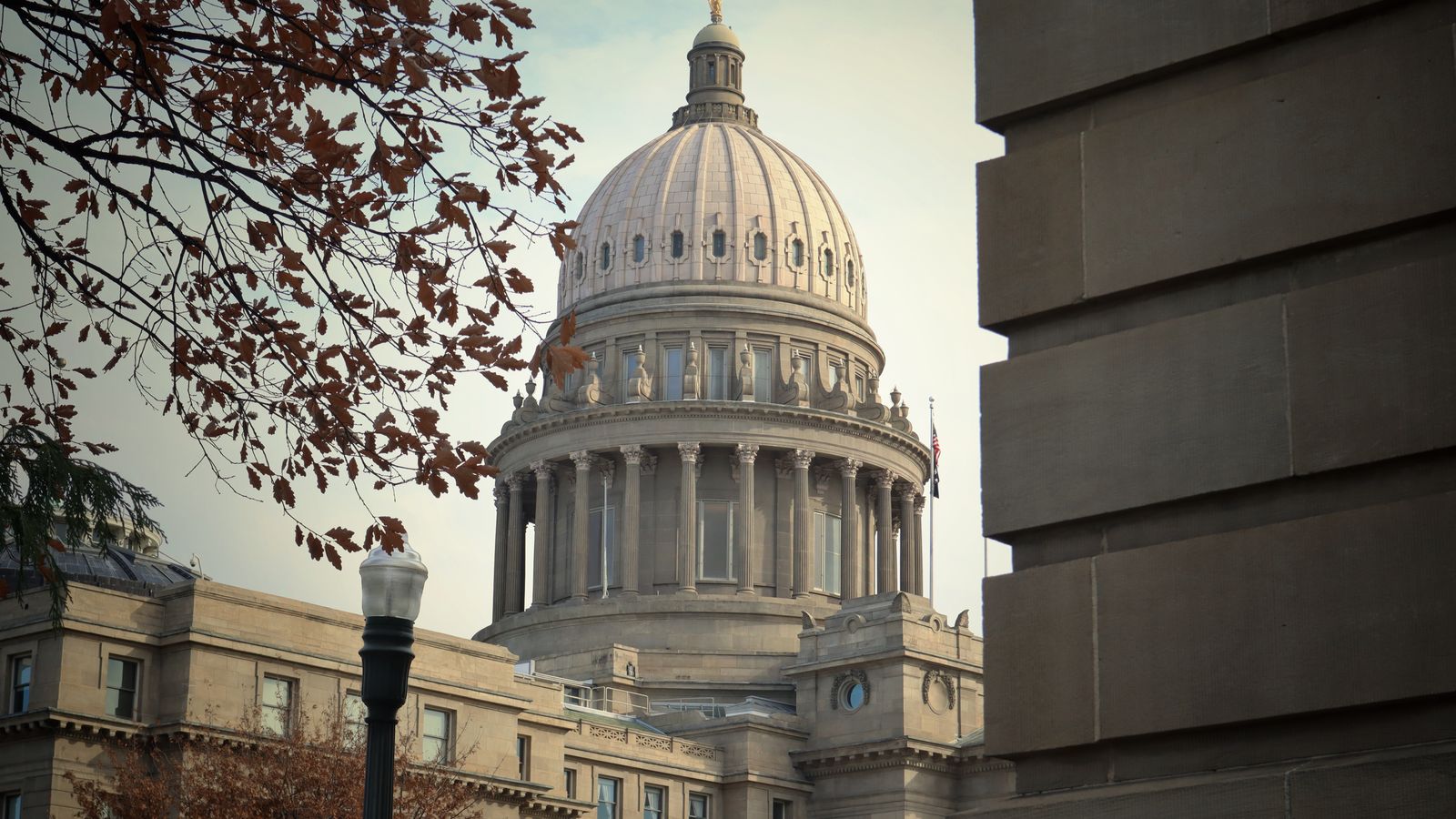
A view of the Idaho State Capitol Building framed by autumn leaves.
Cannabis Provisions Take Effect
Vermont's cannabis laws now include updated licensing timelines and local-control provisions that took effect at the start of the fiscal year. The changes let municipalities opt out of retail cannabis sales through town meeting votes. They also extend the application window for integrated licensees seeking to operate cultivation, processing, and retail facilities under a single permit.
The Vermont Cannabis Control Board confirmed the effective date in a July 1 notice to stakeholders. The licensing changes apply to applications submitted after July 1, 2026, according to the board.
Privacy Law Expands Consumer Data Rights
Vermont residents gained new rights to request deletion of personal data held by businesses under a consumer privacy statute modeled on California's framework. It applies to companies with annual revenues exceeding $25 million that process data on at least 25,000 Vermont consumers.
Covered entities must:
- Disclose data collection practices in plain language
- Honor deletion requests within 45 days
- Obtain opt-in consent for sale of sensitive personal information
- Maintain records of data-processing activities
The Vermont Attorney General's Office will enforce the statute. Civil penalties run up to $10,000 per violation.
Ticket Resale Restrictions Implemented
A new anti-scalping measure caps ticket resale markups at 10 percent above face value for events at publicly funded venues. It targets automated bot purchases and requires resale platforms to display original ticket prices alongside resale listings.
Vermont Secretary of State Sarah Copeland Hanzas said the statute addresses consumer complaints about concert and sports ticket pricing. Violations? Fines of $500 per ticket sold above the cap.
Legislative Session Wrap
The Vermont General Assembly adjourned its 2026 session in May after passing 112 bills, of which Governor Scott signed 97 and vetoed 4. Both the cannabis and privacy measures passed with veto-proof majorities in both chambers. On April 18, the House approved the cannabis licensing changes 103-42, and the Senate voted 24-6 on May 2.
Eleven bills remain under gubernatorial review with action expected by mid-July.
Implementation Timeline
State agencies have 90 days from July 1 to publish final rules implementing the new statutes. The Cannabis Control Board is scheduled to release updated licensing guidance by September 30. The Attorney General's Office will issue privacy-law compliance templates by the same date.
For full background on Vermont's evolving regulatory framework, see the CannIntel topic hub on Vermont Cannabis Laws.
The next legislative session convenes January 6, 2027. Pre-filed bills for that session are due December 15, 2026.
For complete background, history, and our ongoing coverage of this story:
Open the CannIntel topic hub →Sources
The cannabis newsletter you forward to your team.
Federal policy, market data, grower alerts, and the one story that matters today. Sent every weekday at 7am. Free.
No spam. Unsubscribe with one click. 21+ only.
Related from Laws

Morris County Raids Multiple Intoxicating Hemp Retailers
Law enforcement seized products from smoke shops and convenience stores selling hemp-derived THC items under New Jersey's enforcement sweep.

Ohio Can't Enforce New Hemp Law Against Some Companies Due to Injunction
A federal court order blocks Ohio from enforcing its hemp-derived cannabinoid restrictions against certain retailers, leaving enforcement fragmented.

White House Releases Long-Overdue 2026 Federal Rulemaking Agenda
The administration published its unified regulatory agenda Monday after a six-month delay, with implications for pending cannabis rules.
More from the newsroom

Michigan Cannabis Market Matures Into Consumer Products Play
Wholesale prices and margin compression signal the end of cultivation-led growth in the state's $3.2 billion market.

Cannabis Council Shuts Down, Exposing Canada's Fractured Industry
The national trade group's closure leaves Canadian operators without unified federal advocacy as provincial fragmentation deepens.

New York Launches Statewide Youth Cannabis Education Campaign
State officials roll out public health initiative targeting families and adolescents as legal market expands.