Ontario Police Seize $2.8M in Illicit Cannabis from Tyendinaga Grow
Officers recovered thousands of plants from an unlicensed operation on Mohawk Territory in eastern Ontario.

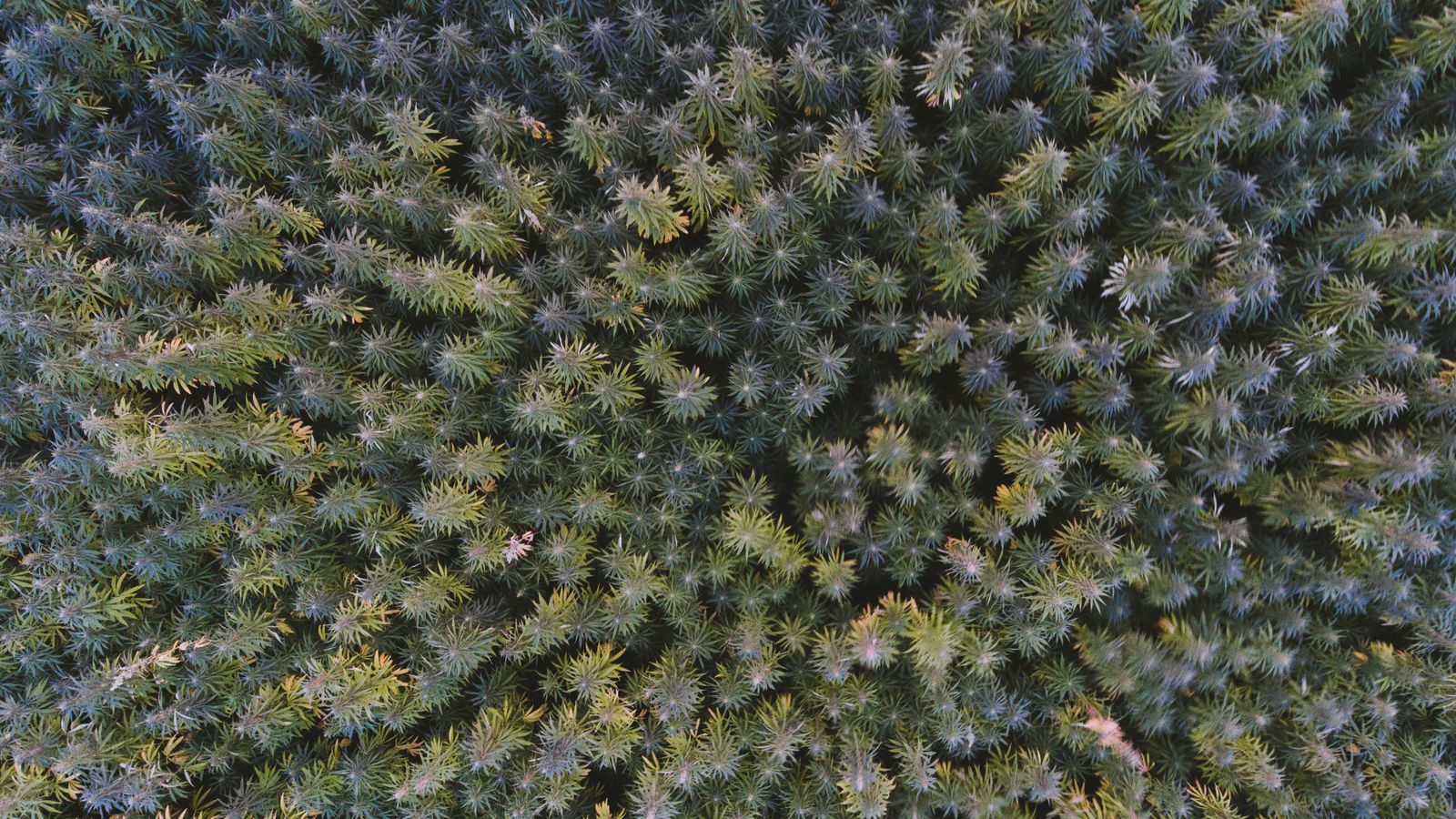
Indoor cannabis plants growing with a fan for air circulation in Silla, Spain.
Seizure Details and Plant Count
Officers recovered thousands of cannabis plants valued at $2.8 million from the unlicensed cultivation site. The Ontario Provincial Police and Tyendinaga Police Service executed a search warrant at the property in the Mohawk Territory, located approximately 200 kilometers east of Toronto near Belleville. The operation was conducted under the authority of the Cannabis Act, which prohibits unlicensed cultivation and distribution.
Authorities didn't disclose the exact plant count in initial reports. They typically calculate seizure values using Health Canada's average retail price per gram, though wholesale values for illicit product run substantially lower.
Enforcement Authority and Jurisdiction
The raid involved coordination between the OPP and Tyendinaga Police Service, reflecting joint jurisdiction on First Nations territory. Cannabis enforcement on reserve lands has been contentious since federal legalization in 2018. While the Cannabis Act applies nationwide, enforcement on First Nations territories often requires collaboration between provincial police and band-operated forces.
Tyendinaga Mohawk Territory operates under a mix of federal, provincial, and band governance. The territory has seen repeated disputes over cannabis retail licensing. Some operators assert Indigenous sovereignty over plant regulation. The September 16 action follows a pattern of increased enforcement targeting large-scale unlicensed grows in eastern Ontario.
Charges and Legal Proceedings
No arrests or charges were announced in the immediate aftermath of the seizure. OPP typically files charges after completing analysis of seized material and identifying operators. Penalties under the Cannabis Act for unlicensed cultivation include fines up to $5 million and imprisonment up to 14 years for indictable offenses.
The investigation remains active. Police haven't released the names of property owners or identified suspects.
Regional Enforcement Trends
The Tyendinaga seizure is the third major illicit-grow bust in eastern Ontario since June 2026. In July, OPP dismantled a 4,000-plant operation in Hastings County valued at $4 million. In August, a Napanee-area property yielded 2,500 plants. Large-scale grows concentrate in the region because of proximity to the Quebec border and access to rural properties with low surveillance.
Ontario's illicit market has proven resilient despite four years of legal retail expansion. A 2025 Health Canada survey estimated that 22 percent of Ontario cannabis consumers still source product from unlicensed sellers, down from 42 percent in 2020 but well above the national average of 16 percent. Price remains the primary driver: illicit cannabis in Ontario averages $5.50 per gram compared to $8.20 at legal retailers.
Indigenous Sovereignty and Cannabis Regulation
Cannabis enforcement on First Nations land sits at the intersection of federal law and Indigenous self-governance claims. Some Tyendinaga operators have argued that band councils hold authority to license cannabis businesses independent of provincial oversight. Ontario's Alcohol and Gaming Commission, which issues retail licenses, doesn't recognize band-issued permits.
The federal government hasn't established a formal framework for Indigenous cannabis regulation. Several First Nations in British Columbia and Saskatchewan have negotiated case-by-case agreements with provincial regulators, but Ontario has resisted similar arrangements. Tyendinaga Chief R. Donald Maracle has called for a nation-to-nation dialogue on cannabis policy. The provincial government hasn't formally addressed that request.
Economic Impact and Market Dynamics
A $2.8 million seizure represents roughly 350 kilograms of finished flower at typical retail pricing. That volume would supply approximately 70,000 consumers for one month at average consumption rates. Removing that supply from the illicit market may temporarily tighten availability in eastern Ontario and western Quebec, though enforcement actions historically produce minimal long-term price effects.
Licensed producers in Ontario reported $1.2 billion in sales in 2025, a 9 percent increase over 2024. The legal market has gained ground through price compression and expanded retail access—Ontario now has 1,847 licensed stores, up from 1,200 in 2023. Still, the persistence of large-scale illicit grows indicates that black-market operators find the risk-reward calculus favorable, particularly in jurisdictions with contested enforcement authority.
For comprehensive coverage of illegal cultivation enforcement across Canada, see the CannIntel topic hub on illegal cannabis grows in Canada.
What Happens Next
OPP will complete forensic analysis of the seized plants and file charges if sufficient evidence links individuals to the operation. Investigation timelines typically run 60 to 90 days. Separately, the federal government is expected to release updated Cannabis Act enforcement guidelines in early 2027, which may clarify jurisdictional questions on First Nations land.
Frequently asked questions
How much cannabis was seized in the Tyendinaga raid?
Police recovered cannabis plants valued at $2.8 million from the unlicensed grow operation. The exact plant count was not disclosed. At typical retail pricing, that value represents approximately 350 kilograms of finished flower.
Why is cannabis enforcement on First Nations land controversial?
Some First Nations assert sovereignty over cannabis regulation on their territories, claiming authority to issue licenses independent of provincial oversight. The federal Cannabis Act applies nationwide, but enforcement on reserves often requires coordination between provincial and band police, creating jurisdictional friction.
What are the penalties for unlicensed cannabis cultivation in Ontario?
Under the Cannabis Act, unlicensed cultivation can result in fines up to $5 million and imprisonment up to 14 years for indictable offenses. Penalties vary based on plant count, intent to distribute, and prior offenses.
How large is Ontario's illicit cannabis market in 2026?
A 2025 Health Canada survey found that 22 percent of Ontario cannabis consumers still purchase from unlicensed sources, down from 42 percent in 2020. Price remains the primary driver, with illicit product averaging $5.50 per gram versus $8.20 at legal stores.
Sources
The cannabis newsletter you forward to your team.
Federal policy, market data, grower alerts, and the one story that matters today. Sent every weekday at 7am. Free.
No spam. Unsubscribe with one click. 21+ only.
Related from Laws

Cannabis DUI charges filed after fatal Gallatin County crash
Montana authorities charged a driver with cannabis DUI following a deadly collision, spotlighting the state's impairment-testing protocols.

Colorado Advances AI Regulation Framework Modeled on Cannabis Oversight
State lawmakers apply lessons from cannabis licensing and compliance to emerging artificial intelligence policy.

Maine Sentences Unlicensed Grow-House Operator to Six Months in Jail
A Chinese national received a six-month sentence after state raids uncovered black-market cannabis operations and $40,000 in cash.
More from the newsroom

Ontario Court Rules THC Sticker Justifies Warrantless Vehicle Search
The Ontario Court of Appeal held that a vehicle decal referencing THC provided sufficient grounds for police to conduct a warrantless search.
Christina Lake Cannabis Receives Higher Offer for Assets
The British Columbia cultivator disclosed a superior proposal following its August stalking-horse agreement, triggering a formal auction process.

Frank Russo Unveils Florida Medical Freedom Initiative Ballot Measure
The proposed constitutional amendment would expand patient access and eliminate physician certification requirements for Florida medical cannabis.