Kalamazoo Commission to Review Marijuana Social Equity Policy Revisions
City officials will examine changes to the local cannabis licensing framework designed to promote equity in the industry.

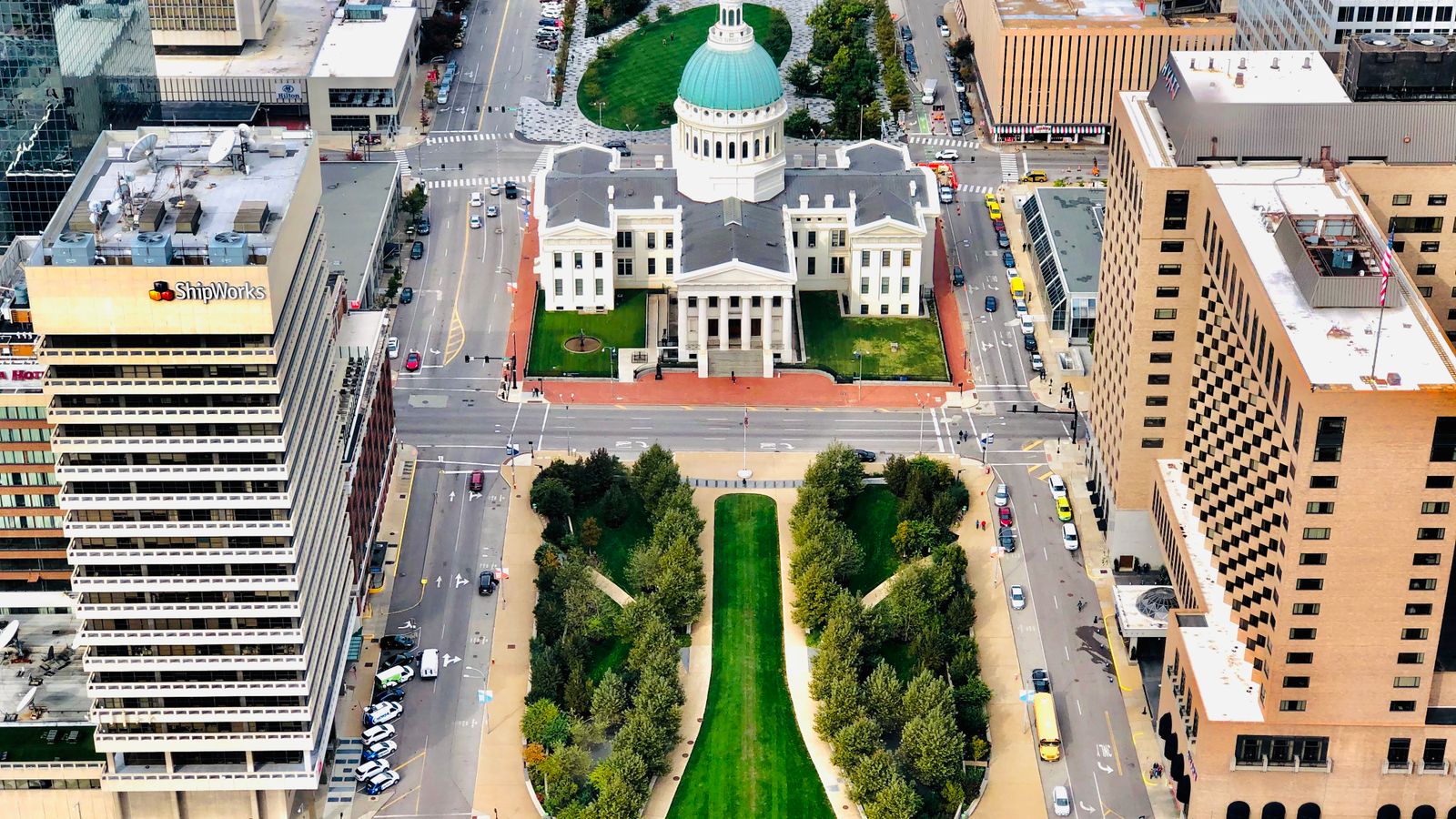
Aurora Municipal Center building with waving American flag in daylight.
Commission Agenda Set for Policy Review
The Kalamazoo City Commission has scheduled a review of its marijuana social equity policy, which determines licensing preferences for cannabis businesses. The session will examine revisions to the existing framework. The specific amendments under consideration weren't detailed in the initial report. The policy's been in place since Michigan's adult-use market opened statewide in 2019, and Kalamazoo was among the first municipalities to adopt local equity provisions.
Social Equity Framework in Kalamazoo
Kalamazoo's current policy prioritizes license applicants who meet criteria tied to prior cannabis arrests or residency in high-enforcement zip codes. The city's ordinance mirrors the state's broader social equity goals under Michigan's Cannabis Regulatory Agency, which offers application fee waivers and technical assistance to qualifying entrepreneurs. Local equity provisions typically layer additional preferences atop the state framework, including scoring advantages in competitive license lotteries or reserved license allocations.
As of mid-2026, Michigan had issued more than 2,100 active adult-use licenses statewide, with roughly 18 percent held by social equity applicants. Kalamazoo has issued fewer than a dozen retail licenses within city limits. Each allocation decision carries political weight.
Pressure Points Driving Revision
Cities across Michigan have faced legal and operational challenges with their equity policies, including residency verification disputes and allegations of front companies exploiting equity designations. In Detroit, a 2025 audit found that 22 percent of social equity licensees had ownership structures inconsistent with their application disclosures. Grand Rapids suspended its equity lottery in early 2026 pending a compliance review.
Kalamazoo hasn't publicly disclosed enforcement actions tied to its equity policy, but the timing of the review suggests the commission is responding to either internal performance data or external pressure from applicants or advocacy groups. Something prompted the move.
What Revisions Could Include
Typical amendments to municipal social equity policies tighten ownership verification, expand qualifying criteria, or adjust the weighting of equity factors in scoring rubrics. Some cities have added income caps or extended the geographic boundaries of designated equity zones, while others have shortened the residency lookback period or required equity applicants to submit financial disclosures proving they control at least 51 percent of the licensed entity.
The commission hasn't released draft language or a staff memo outlining the proposed changes. Public comment periods for such revisions typically run 30 to 45 days before a final vote.
Timeline and Next Steps
The commission meeting is expected within the next two weeks, based on standard agenda-posting timelines in Kalamazoo. If the review results in substantive amendments, the revised policy would likely require a second reading and public hearing before taking effect. Applicants with pending license applications could face delayed decisions if the commission opts to pause processing during the revision window.
For full background on this issue, see the CannIntel topic hub on social equity programs. The next signal: publication of the commission's meeting agenda and any staff reports attached to the equity policy item.
Frequently asked questions
What is Kalamazoo's marijuana social equity policy?
Kalamazoo's policy gives licensing preferences to cannabis business applicants who meet criteria tied to prior arrests or residency in areas with disproportionate enforcement. It layers local advantages atop Michigan's statewide social equity framework, which offers fee waivers and technical assistance.
Why is the commission reviewing the policy now?
The review likely responds to compliance issues or applicant concerns. Other Michigan cities have faced fraud allegations and ownership verification disputes in their equity programs, prompting tighter rules. Kalamazoo has not disclosed specific triggers for the revision.
What changes might the revisions include?
Typical amendments tighten ownership verification, expand or narrow qualifying criteria, adjust scoring weights, or add income caps. Some cities have shortened residency lookback periods or required equity applicants to prove majority ownership with financial disclosures.
How many social equity licenses has Kalamazoo issued?
Kalamazoo has issued fewer than a dozen adult-use retail licenses within city limits as of mid-2026. Statewide, roughly 18 percent of Michigan's 2,100+ active licenses are held by social equity applicants.
When will the revisions take effect?
If the commission proposes substantive changes, a second reading and public hearing would follow, typically within 30-45 days. Pending license applications could face delays if processing is paused during the revision window.
Sources
The cannabis newsletter you forward to your team.
Federal policy, market data, grower alerts, and the one story that matters today. Sent every weekday at 7am. Free.
No spam. Unsubscribe with one click. 21+ only.
Related from Laws

Texas Lawmakers Renew Push to Ban Hemp-Derived THC Products
State legislators will file new restrictions targeting Delta-8 THC and similar intoxicating cannabinoids after previous ban attempts stalled.

Kenya Court Denies Rastafarians Religious Exemption for Cannabis Use
Kenyan judiciary rejects constitutional challenge seeking sacramental cannabis rights under religious-freedom protections.

Missouri Hemp Companies Challenge New Law Banning Intoxicating Products
Two hemp processors filed suit arguing HB 2168 effectively outlaws their existing product lines and violates the 2018 Farm Bill.
More from the newsroom

Texas Hemp Retailers Brace for New THC Rules Taking Effect July 31
Central Texas operators face another compliance overhaul as the state's latest hemp-derived THC regulations go live in two weeks.
Missouri Hemp Industry Files Federal Lawsuit Challenging THC Product Ban
Trade groups argue emergency rule banning intoxicating hemp products violates federal law and state procedure.

North Carolina Legislature Advances Bill to Ban Hemp Products
Lawmakers moved forward legislation that would eliminate the state's legal hemp market.