House Passes KIDS Act Restricting Cannabis Ads on Social Platforms
Legislation targets age-gated advertising on Meta, TikTok, and YouTube, raising compliance costs for licensed operators.
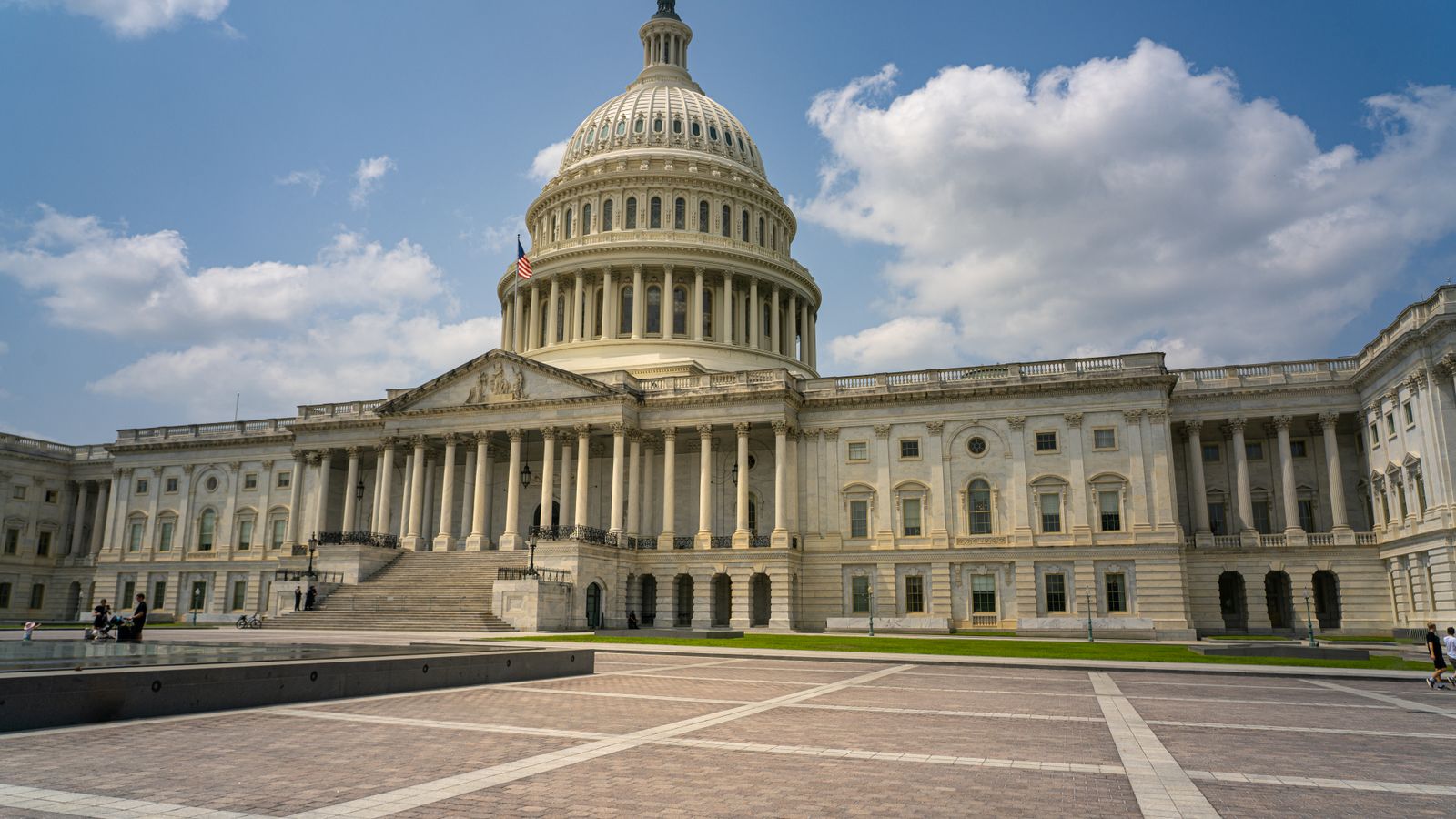
Beautiful daytime view of the historic United States Capitol in Washington D.C. showcasing its majestic architecture.
Bill Targets Platform-Level Age Verification
The KIDS Act mandates that online platforms verify user ages before serving cannabis advertisements, shifting enforcement responsibility from advertisers to the platforms themselves. Under the bill's framework, platforms with more than 10 million monthly active users in the United States would face liability for cannabis ads shown to minors, even if the advertiser had implemented its own age gates. The Federal Trade Commission would gain enforcement authority. Civil penalties start at $50,000 per violation.
The legislation defines "cannabis advertisement" broadly to include any paid promotion of cannabis products, brands, or retail locations, as well as influencer content that receives compensation. Organic posts by licensed operators discussing compliance, lab results, or educational content would remain exempt, according to the bill's text reviewed by CannIntel.
Compliance Costs Expected to Rise for Multi-State Operators
Industry analysts project that the new requirements could add $200,000 to $500,000 annually in compliance and verification costs for multi-state operators running digital campaigns. Platforms are expected to pass verification expenses downstream to advertisers through higher minimum ad spends or mandatory third-party verification services. Meta and Google already restrict cannabis advertising to licensed operators in legal states, but neither currently requires platform-level age verification beyond user-declared birth dates.
The shift from advertiser responsibility to platform liability creates a new choke point where platforms may choose to ban cannabis ads entirely rather than build costly verification infrastructure.
Several MSOs, including Curaleaf and Trulieve, have scaled back social media advertising in recent quarters due to inconsistent platform enforcement. The KIDS Act would codify restrictions that platforms have applied unevenly, but it'd also create a federal compliance standard that could reduce arbitrary account suspensions if platforms implement uniform systems.
Senate Prospects Unclear as Industry Groups Mobilize
The bill passed the House 312-107, with bipartisan support concentrated among members from states without legal adult-use programs. Senate Majority Leader Chuck Schumer hasn't committed to a floor vote. The legislation faces opposition from the National Cannabis Industry Association and the U.S. Cannabis Council, both of which argue that existing state-level advertising restrictions already address youth exposure concerns.
The KIDS Act doesn't distinguish between medical and adult-use cannabis advertising, a provision that medical cannabis advocacy groups have flagged as overly broad. In states like Florida and Ohio, where medical programs serve patients under 21 with qualifying conditions, the bill could prohibit platforms from serving ads for medical dispensaries to caregivers or parents of minor patients.
For background on federal advertising restrictions and state-level precedents, see the CannIntel topic hub on KIDS Act and Cannabis Advertising Restrictions.
What Operators Should Watch
If the Senate passes the bill and President Biden signs it into law, platforms would have 180 days to implement compliant age-verification systems. Operators should monitor whether major platforms choose to build verification infrastructure or exit cannabis advertising entirely. Meta's ad policy team has historically avoided products that require age verification beyond self-reporting, a stance that could extend to cannabis under the new law.
FTC enforcement priorities will also matter. The agency hasn't historically prioritized cannabis advertising cases, but the KIDS Act would create a new statutory mandate with dedicated funding for a cannabis advertising enforcement unit within the Bureau of Consumer Protection.
The next signal: Senate Commerce Committee markup, expected in September 2026 if leadership schedules a hearing. Until then, operators should prepare for higher verification costs and potential platform exits.
Frequently asked questions
What is the KIDS Act and how does it affect cannabis advertising?
The KIDS Act is federal legislation passed by the House on July 2, 2026, requiring online platforms with over 10 million U.S. users to verify ages before serving cannabis ads. Platforms face $50,000 penalties per violation for ads shown to minors, shifting liability from advertisers to platforms like Meta and TikTok.
Which platforms would be affected by the KIDS Act?
Platforms with more than 10 million monthly active U.S. users, including Meta (Facebook, Instagram), TikTok, YouTube, Snapchat, and Reddit. The bill covers paid cannabis promotions, influencer content, and brand advertising but exempts organic educational posts by licensed operators.
How much will compliance cost cannabis operators?
Industry analysts estimate $200,000 to $500,000 in additional annual costs for multi-state operators, driven by platform verification fees, third-party age-verification services, and reduced ad reach. Smaller operators may be priced out of digital advertising entirely.
Does the KIDS Act distinguish between medical and adult-use cannabis advertising?
No. The bill applies the same restrictions to medical and adult-use cannabis ads, which could block medical dispensaries from advertising to caregivers of minor patients in states like Florida and Ohio where minors access medical programs.
What happens next with the KIDS Act?
The bill moves to the Senate, where Majority Leader Schumer has not committed to a floor vote. If passed and signed, platforms have 180 days to implement age-verification systems. Senate Commerce Committee markup is expected in September 2026.
Sources
The cannabis newsletter you forward to your team.
Federal policy, market data, grower alerts, and the one story that matters today. Sent every weekday at 7am. Free.
No spam. Unsubscribe with one click. 21+ only.
Related from Laws

Morris County Raids Multiple Intoxicating Hemp Retailers
Law enforcement seized products from smoke shops and convenience stores selling hemp-derived THC items under New Jersey's enforcement sweep.

Ohio Can't Enforce New Hemp Law Against Some Companies Due to Injunction
A federal court order blocks Ohio from enforcing its hemp-derived cannabinoid restrictions against certain retailers, leaving enforcement fragmented.

White House Releases Long-Overdue 2026 Federal Rulemaking Agenda
The administration published its unified regulatory agenda Monday after a six-month delay, with implications for pending cannabis rules.
More from the newsroom

Michigan Cannabis Market Matures Into Consumer Products Play
Wholesale prices and margin compression signal the end of cultivation-led growth in the state's $3.2 billion market.

Cannabis Council Shuts Down, Exposing Canada's Fractured Industry
The national trade group's closure leaves Canadian operators without unified federal advocacy as provincial fragmentation deepens.

New York Launches Statewide Youth Cannabis Education Campaign
State officials roll out public health initiative targeting families and adolescents as legal market expands.