Congressional Researchers Cite 280E as Model for Taxing AI Data Centers
Congressional researchers are pointing to the cannabis industry's 280E deduction ban as a template for taxing AI data centers, per a Marijuana Herald report.
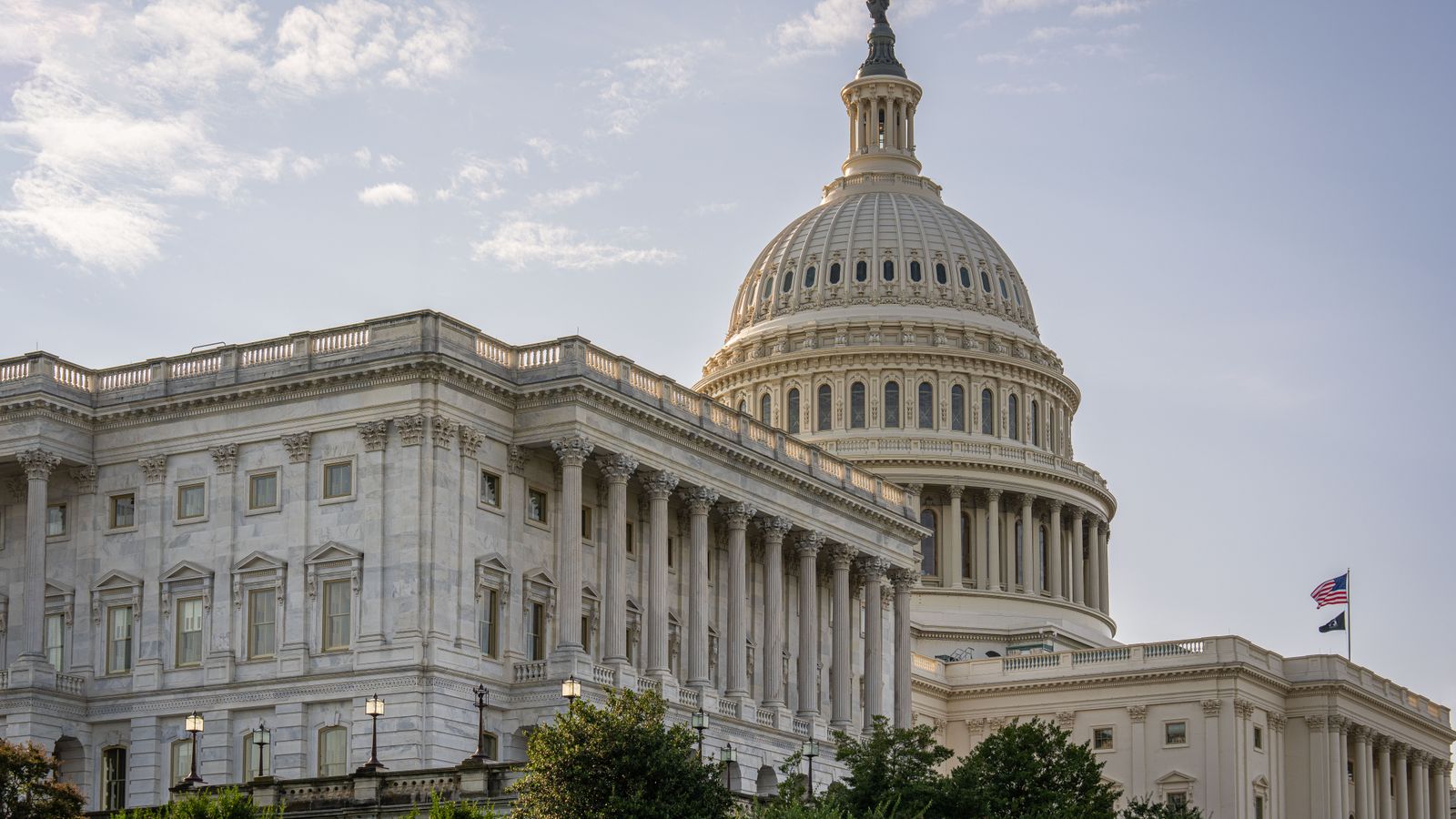
Stunning daytime view of the US Capitol Building in Washington DC, showcasing its architectural grandeur and iconic dome.
Congressional researchers point to 280E as a template
Congressional researchers have held up the cannabis industry's 280E tax rules as a model for taxing AI data centers, according to The Marijuana Herald.
The report, published November 20, 2026, is the only source for the claim so far. We haven't independently reviewed the underlying research document. The signal doesn't name the researchers, the office, or the specific proposal, and CannIntel hasn't confirmed those details.
What 280E actually does
Section 280E of the Internal Revenue Code denies deductions and credits to any business trafficking in Schedule I or II controlled substances.
Licensed marijuana operators still pay federal tax on gross profit, minus cost of goods sold. Rent, payroll for non-production staff, marketing and most overhead sit outside the deduction line, and effective rates routinely land far above what a comparable non-cannabis retailer pays.
That's the design. Congress wrote the rule in 1982 as a penalty, not a revenue formula.
Why the comparison is striking
The cleanest read on this story is that 280E has become shorthand in Washington for a tax built to restrict a disfavored activity rather than to measure income.
Researchers reaching for it as a model suggests policymakers see a deduction ban as a workable lever. For data centers, that would mean limiting write-offs for the power, hardware and facility costs that define the business. It's a blunt instrument. Cannabis operators know exactly how blunt.
The irony for operators
Cannabis operators spent years arguing that 280E is unfair, and now the rule is being treated as a design reference for a different industry.
Operators in California, Colorado and Oregon have long described 280E as a cash-flow drain that pushes otherwise viable businesses toward the edge. Using it as a model for another sector doesn't validate the policy. What it shows is that the policy is legible and easy to copy.
The rescheduling backdrop
Any 280E-style approach to data centers would sit alongside the unresolved fight over moving marijuana out of Schedule I.
Rescheduling to Schedule III would remove marijuana from 280E's reach, since the provision applies only to Schedules I and II. For years, that outcome has been the industry's central tax goal. For the latest on that effort, see the CannIntel topic hub on Section 280E tax reform.
What we don't know yet
The signal leaves open whether this is a formal recommendation, an analytical comparison, or a passing reference.
There's no bill number, no sponsor and no dollar figure attached. Without those, this is a signal about how researchers are framing tax design, not a legislative move. Treat it accordingly.
What to watch
The next signal is whether a member of Congress turns the comparison into text.
If a bill citing 280E-style deduction limits for data centers surfaces, cannabis lobbyists will have an unlikely new ally in the argument that the rule is bad tax policy. Watch for any draft language in the coming weeks, and for how Treasury and the IRS respond.
Sources
The cannabis newsletter you forward to your team.
Federal policy, market data, grower alerts, and the one story that matters today. Sent every weekday at 7am. Free.
No spam. Unsubscribe with one click. 21+ only.
Related from Laws

Federal hemp ban puts pet CBD market and animal safety at risk
Hemp-derived CBD products for pets face disappearance under the federal hemp ban, and neither regulators nor lawmakers have a plan for what replaces them.

Federal hemp ban puts pet CBD products in regulatory limbo
Hemp-derived CBD products for pets face disappearance under the federal hemp ban, raising a safety and market question few regulators have addressed.
NC cannabis bills face pending deadlines, renewed focus
A Winston-Salem Journal report says North Carolina lawmakers are turning back to cannabis legislation as deadlines approach; the signal supplies no bill numbers or vote dates.
More from the newsroom
South Carolina GOP Senator Says State Is Violating Law on Medical Marijuana
A Republican senator argues state officials are flouting South Carolina law by refusing to align medical marijuana policy with federal rescheduling, a claim that tests how state statutes track federal schedules.

Medical Marijuana Operators Ask Court to Pause DEA Supply-Chain Rules
A deadline-driven stay request puts DEA's medical marijuana supply-chain rules in front of a court, and the compliance clock is the real pressure point.

Davis Asks AG for Opinion on DPH Medical Marijuana Role
A request for a formal attorney general opinion targets the state public health department's authority over medical marijuana, though the signal leaves the specific legal question unstated.