Tilray Beverage Growth vs. Cannabis Weakness: The Tax Read
Kalkine Media asks whether Tilray's beverage business can offset cannabis softness; a tax and segment-level reading shows what the answer depends on.
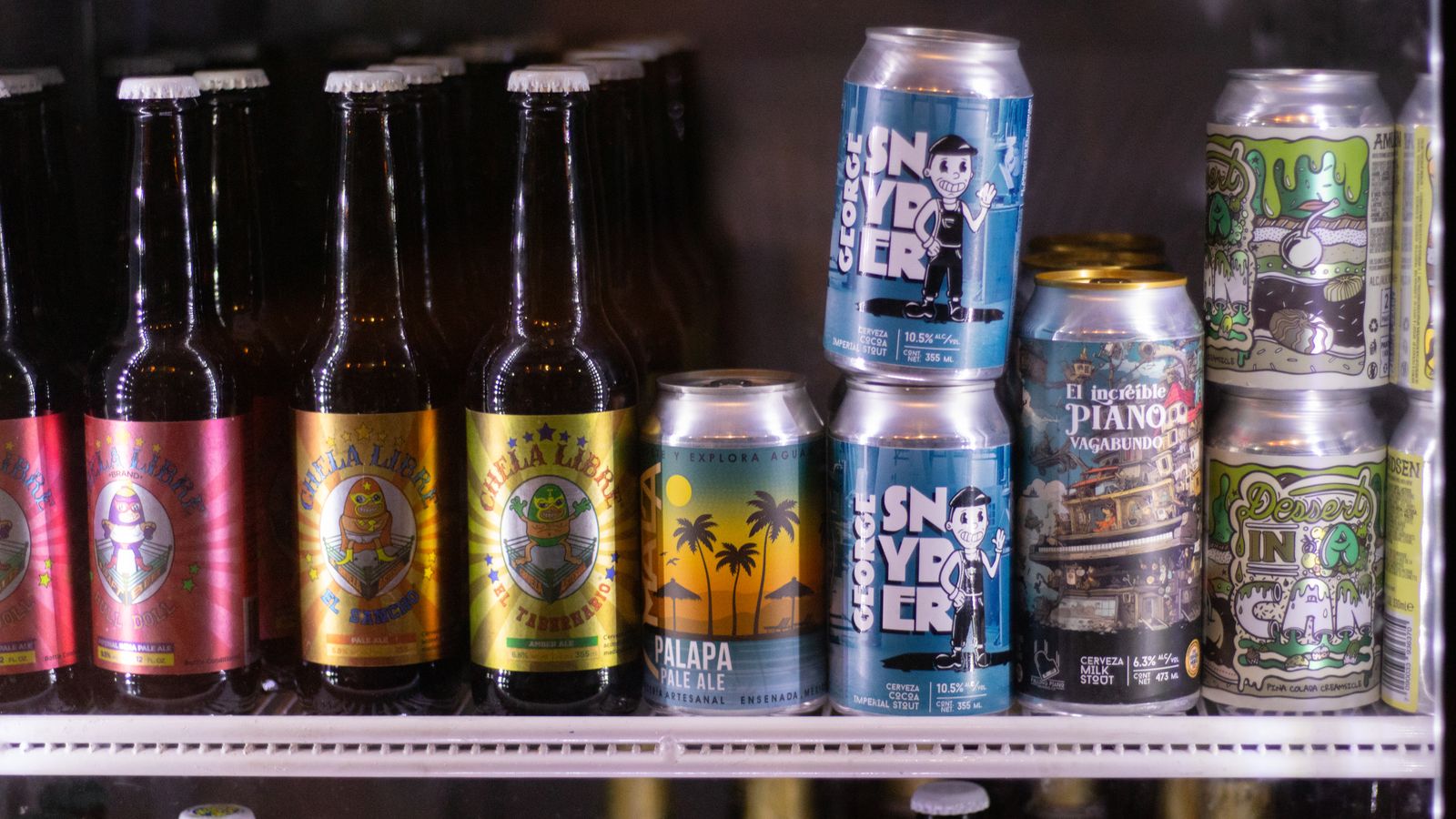
A selection of craft beer bottles and cans displayed in a refrigerator, showcasing unique branding.
Kalkine's question is fair, but the headline carries no numbers
Kalkine Media published an Oct. 12 piece framing Tilray's beverage growth against cannabis weakness, and the framing itself is the only part of it we can verify.
What we received is the headline and publisher line. It doesn't include revenue, margin or volume figures, and we aren't going to supply them from memory. What follows is a framework for reading the answer, built on statute and on how Tilray reports.
Still, the question is the right one. Tilray trades as TLRY on Nasdaq and the TSX, and its identity as a cannabis company is now only one part of the business.
Segment mix matters more than the top line
Tilray reports cannabis, beverage alcohol, distribution and wellness as separate segments, so an offset is only real if beverage gross profit covers the cannabis gap.
Revenue growth in beverage doesn't settle anything on its own. A dollar of beer or spirits revenue and a dollar of Canadian adult-use cannabis revenue carry different cost structures, different excise burdens and different margins.
Tilray's fiscal year ends May 31, which means any current-quarter comparison sits early in the fiscal calendar. Year-over-year segment tables, not narrative commentary, are the test.
On a strict reading, 280E doesn't reach most of Tilray's cannabis income
IRC §280E disallows deductions and credits for businesses trafficking in Schedule I or II substances, and it applies to U.S. plant-touching operators, not to Canadian licensed producers.
That distinction gets lost in coverage. A U.S. multistate operator loses ordinary deductions under §280E and pays an effective rate far above its book income. Tilray's cannabis revenue comes largely from Canada and from international medical markets such as Germany, so the provision isn't the drag on its cannabis segment.
Its U.S. footprint is beverage alcohol. Those brands include SweetWater, Breckenridge Distillery and Montauk Brewing. Beer and spirits aren't controlled substances, so §280E doesn't apply to them either.
So the cannabis weakness Kalkine describes is a pricing and competition problem, not a federal tax one. That's a meaningful difference for anyone modeling the offset.
Beverage alcohol brings its own tax stack
Federal excise tax on beer falls under IRC §5051 and on distilled spirits under IRC §5001, and those levies shape beverage margins in ways cannabis investors rarely model.
Alcohol is taxed at the federal level on production, then again through state excise and three-tier distribution rules. Cannabis in Canada faces its own federal excise duty, charged at the greater of a flat per-gram amount or a percentage of price.
Neither stack is light. The comparison that matters is net revenue after excise, then gross margin after excise. Growth in beverage that arrives at thinner margins can lift sales while barely moving profit.
Craft producers get reduced federal excise rates under the Craft Beverage Modernization Act. Whether Tilray's brands qualify at scale depends on volumes the signal doesn't provide.
Rescheduling changes the cannabis side, not the offset math
A move of marijuana to Schedule III would end §280E treatment for U.S. operators, but it wouldn't directly change Tilray's Canadian cannabis economics.
DEA's scheduling process is the variable U.S. operators watch. For Tilray, the effect is indirect: lower U.S. tax friction could strengthen competitors, and could open strategic options the company doesn't have today.
That cuts both ways. Tilray's beverage and distribution assets give it revenue that doesn't depend on any rescheduling outcome. Its cannabis segment, meanwhile, competes in a Canadian market where price compression has been the story for years.
For full background on this story, see the CannIntel topic hub on Tilray Brands.
The offset thesis has a ceiling
Beverage can only offset cannabis weakness if its profit contribution is large enough relative to the cannabis decline.
Here's the problem with the thesis. A growing segment with low margins can't cover a shrinking segment with higher margins, no matter how good the growth rate looks in a headline. The math is brutal.
But the reverse also holds. If cannabis margins have already compressed, the remaining gross profit at risk is smaller than the revenue figure suggests, and a modest beverage gain could close more of the gap than expected. Only the segment tables settle which scenario applies.
What to check in the next filing
Four line items in Tilray's next 10-Q or quarterly results will decide whether the offset is real.
- Gross profit by segment, not consolidated gross margin
- Excise taxes as a share of net revenue in each segment
- Year-over-year change in Canadian adult-use cannabis net revenue
- Any impairment or restructuring charge tied to cannabis assets
Consolidated margins can hide a lot. A company can report rising total revenue while its highest-margin segment erodes underneath.
The next signal: segment-level gross profit in Tilray's next quarterly filing, which will show whether beverage is offsetting cannabis or simply replacing it with lower-margin revenue.
Sources
The cannabis newsletter you forward to your team.
Federal policy, market data, grower alerts, and the one story that matters today. Sent every weekday at 7am. Free.
No spam. Unsubscribe with one click. 21+ only.
Related from Business

Illinois Cannabis Use Rises While State Tax Revenue Dips
The Chicago Sun-Times reported Oct. 12 that Illinois consumption is climbing as cannabis tax collections slip, a split with consequences for state budgets and operators.
Illinois Report Sets $5M Monthly Cannabis Sales Record for July
DFPR and CROO's 2026 Annual Cannabis Report shows a July sales record and 9% year-over-year growth in August, following a doubling of purchase limits.

Still River Wellness Workers Ratify 4-Year UFCW Contract
Torrington dispensary employees locked in a four-year deal with UFCW Local 371, giving Connecticut operators a rare long-dated labor cost marker.
More from the newsroom

Study Finds Cannabis Hospitalisations Up 49% in a Decade
A study reported by Mirage News puts the ten-year rise at 49%. The paper's geography, definitions and denominators will decide what that number means.

Idaho Sets Nov. 3 Vote on Legislature's Sole Power to Legalize Marijuana
A ballot question would decide whether only lawmakers, not voters, can legalize marijuana in Idaho, a state with no adult-use or medical market.

Wholesaler Settles for $2M Over Illegal THC Product Sales
A wholesaler agreed to a $2 million settlement over illegal THC products, but the public record is thin on who, where and what was sold.