Story Cannabis Drops Two Arizona Labs After State Testing Violations
The 13-store chain will reject products from Kaycha Labs and Level One Labs following state citations for inaccurate results.
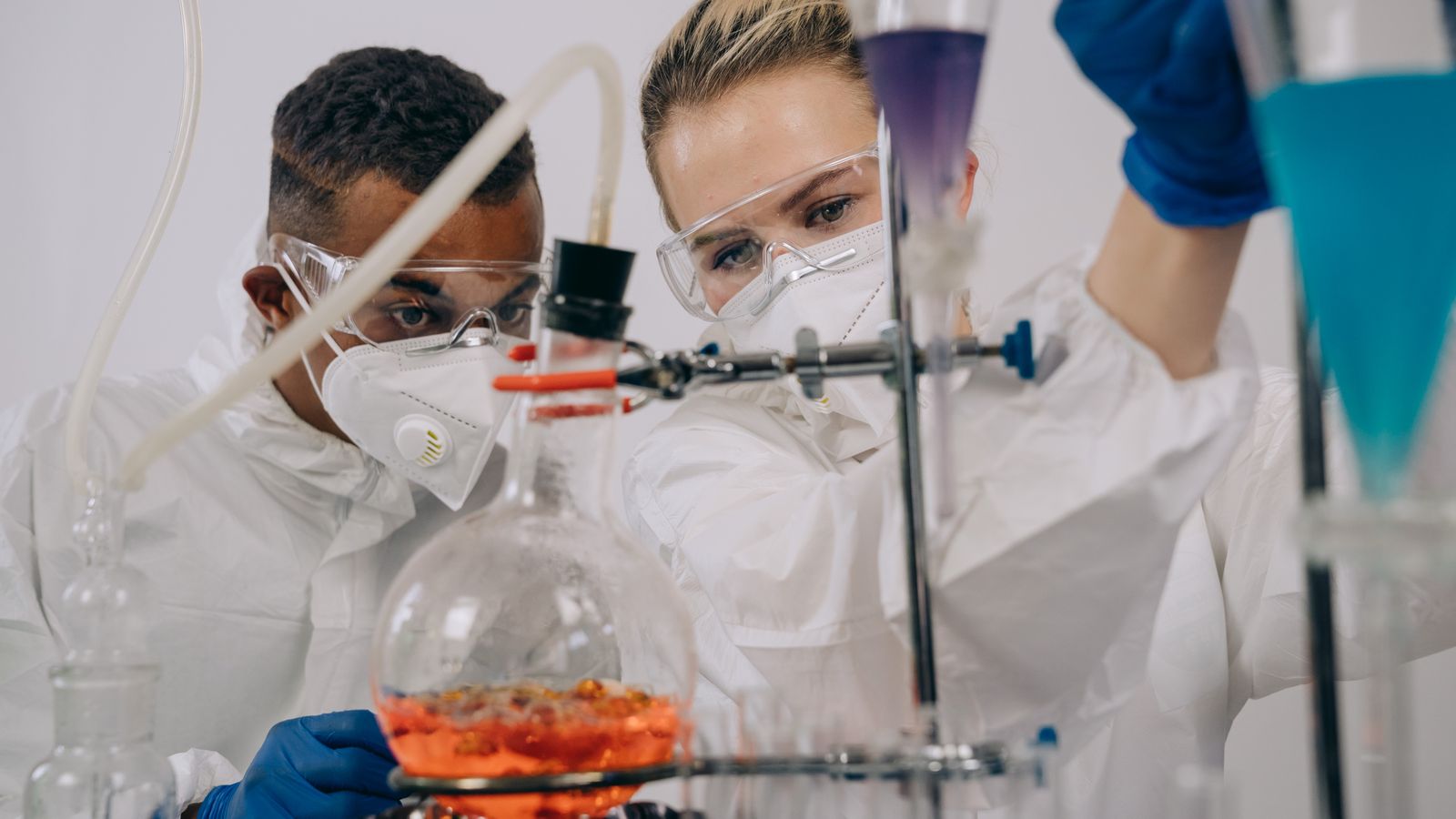
Two scientists in protective gear conducting chemistry experiments in a lab.
Story Cannabis Cuts Ties With Two Testing Labs
Story Cannabis notified staff September 18 that it will no longer accept products bearing Certificates of Analysis from Kaycha Labs or Level One Labs, both cited by Arizona regulators for testing violations. The email, sent to dispensary managers and procurement staff, directs stores to reject incoming wholesale shipments tested by either facility and to flag existing inventory for review.
The directive applies to all 13 Story Cannabis retail locations operating under adult-use and medical licenses across Arizona. Story Cannabis operates stores in Phoenix, Tucson, Scottsdale, and Tempe under the Story, Ponderosa, and Giving Tree brand names.
Neither Kaycha Labs nor Level One Labs has publicly disclosed the nature of the violations cited by the Arizona Department of Health Services. Story Cannabis appears to be moving preemptively to insulate itself from liability exposure tied to inaccurate potency or contaminant test results.
Arizona Testing Violations Trigger Retailer Risk Management
Arizona's cannabis testing framework requires all products sold in licensed dispensaries to carry lab-certified results for potency, pesticides, heavy metals, mycotoxins, and microbial contaminants. State regulations allow the Department of Health Services to suspend or revoke laboratory licenses for repeated failures to meet accuracy standards or for falsifying results.
Retailers that knowingly sell products with fraudulent or inaccurate test results face penalties including fines, license suspension, and mandatory product recalls. Story Cannabis's decision to blacklist the two labs shifts compliance risk upstream to cultivators and processors who must now choose alternate testing facilities or risk losing access to one of Arizona's largest retail distribution networks.
The state hasn't publicly announced enforcement actions against Kaycha Labs or Level One Labs, but the Arizona Republic's reporting indicates that citations have been issued. Arizona DHS typically posts enforcement actions on its public compliance portal, though posting timelines can lag weeks behind initial citations.
Kaycha Labs and Level One Labs Operate Across Multiple States
Kaycha Labs operates testing facilities in Arizona, Florida, Massachusetts, and Oklahoma, positioning itself as a multi-state operator in the cannabis testing sector. The company advertises ISO 17025 accreditation. It claims to process thousands of samples monthly across its network.
Level One Labs operates exclusively in Arizona and markets itself as a boutique testing facility focused on terpene profiling and potency analysis. Both labs serve dozens of cultivators and processors in Arizona's medical and adult-use supply chains.
How much financial damage will both labs sustain? That depends on how many Arizona cultivators shift testing volume to competitors. Arizona's licensed testing market includes at least six other state-approved laboratories, including C4 Laboratories, Desert Valley Testing, and Green Scientific Labs. Cultivators typically maintain relationships with multiple labs to hedge against capacity constraints, but exclusive testing agreements are common in wholesale supply contracts.
Arizona's Testing Market Faces Consolidation Pressure
Arizona licensed 11 cannabis testing laboratories following adult-use legalization in 2021, but the market has consolidated as price competition and compliance costs squeeze margins. Testing fees in Arizona range from $150 to $400 per batch depending on the panel of tests required, with full compliance panels including potency, pesticides, heavy metals, and microbials typically priced at $300 to $350.
Labs operate on thin margins. High equipment costs, staffing requirements for PhD-level chemists, and the expense of maintaining ISO 17025 accreditation all eat into revenue. A single gas chromatography-mass spectrometry (GC-MS) instrument costs $150,000 to $300,000, and labs must validate testing methods annually to maintain state licensure.
Enforcement actions that result in license suspensions or revocations create supply-chain bottlenecks. Arizona cultivators harvest approximately 200,000 pounds of cannabis monthly under the state's 180 licensed cultivation facilities, and all flower, concentrate, and edible batches require testing before retail sale. Loss of two testing labs would force cultivators to queue samples at remaining facilities, potentially delaying product releases by days or weeks.
Story Cannabis Positions for Compliance Leadership
Story Cannabis's proactive blacklist signals a strategic bet that compliance rigor will differentiate retailers as Arizona's market matures and regulatory scrutiny intensifies. The company has positioned itself as a premium operator with a focus on craft genetics and lab-verified potency claims. The testing-lab decision reinforces that brand narrative.
The move also creates operational advantage. By publicly cutting ties with labs cited for violations, Story Cannabis gains negotiating power with remaining testing facilities and can demand priority turnaround times or volume discounts in exchange for guaranteed sample flow. Cultivators who supply Story Cannabis now face a binary choice: switch labs or lose access to 13 retail doors.
Story Cannabis didn't respond to requests for comment on whether it's notified wholesale suppliers of the new testing requirements or whether it'll allow a grace period for existing inventory to sell through.
What Operators Should Watch
Arizona cultivators and processors should monitor the DHS compliance portal for formal enforcement postings on Kaycha Labs and Level One Labs within the next 30 days. If either lab receives a license suspension, the state will publish the duration and terms of reinstatement, which will determine how long supply-chain disruptions persist.
Retailers beyond Story Cannabis may follow suit with their own lab blacklists if the violations involved potency inflation or contaminant-test failures that could trigger product recalls. Arizona's largest MSOs—Curaleaf, Cresco Labs, and Harvest Health & Recreation—operate their own cultivation and processing facilities and typically use in-house or preferred lab partners, insulating them from third-party testing risk.
For full background on this story, see the CannIntel topic hub on Arizona Cannabis Testing Standards. The next enforcement signal to watch: whether Arizona DHS posts formal suspension orders or consent agreements with either lab, which would clarify the scope and duration of the violations.
For complete background, history, and our ongoing coverage of this story:
Open the CannIntel topic hub →Frequently asked questions
Why did Story Cannabis stop accepting products from Kaycha Labs and Level One Labs?
Story Cannabis cited state regulatory violations for inaccurate testing results at both labs. The Arizona Department of Health Services issued citations, prompting the retailer to blacklist products bearing Certificates of Analysis from either facility to avoid compliance liability.
How many cannabis testing labs operate in Arizona?
Arizona licensed 11 cannabis testing laboratories after adult-use legalization in 2021, though market consolidation has reduced the active count. At least six other state-approved labs remain operational, including C4 Laboratories, Desert Valley Testing, and Green Scientific Labs.
What penalties do Arizona retailers face for selling products with inaccurate test results?
Arizona retailers that knowingly sell cannabis products with fraudulent or inaccurate lab results face fines, mandatory product recalls, and potential license suspension. State regulations hold retailers jointly liable for compliance failures in the testing chain.
What is the financial impact on cultivators who used Kaycha Labs or Level One Labs?
Cultivators must switch to alternate testing facilities or lose access to Story Cannabis's 13 retail locations. Testing fees in Arizona range from $150 to $400 per batch, and cultivators may face delays of days or weeks as remaining labs absorb increased sample volume.
Sources
The cannabis newsletter you forward to your team.
Federal policy, market data, grower alerts, and the one story that matters today. Sent every weekday at 7am. Free.
No spam. Unsubscribe with one click. 21+ only.
Related from Business
Trulieve Doubles Florida Investment as Federal Legalization Stalls
The MSO is accelerating state-level expansion while federal reform remains gridlocked in Congress.

Alabama Medical Cannabis Program Opens First North Alabama Dispensary
Athens location marks geographic expansion for state's nascent medical marijuana market, now serving patients in 15 counties.
Story Cannabis Bans Arizona Testing Lab Products After Repeat Failures
MSO's 11-store Arizona footprint bars products vetted by unnamed lab, signaling tightening supply-chain quality control.
More from the newsroom
California DCC Says DEA Won't Answer Rescheduling Questions
State regulator reports federal agency remains silent on key implementation details months after Schedule III move.

Latinas in Cannabis Summit Returns to L.A. Sept. 26
Fourth annual gathering convenes entrepreneurs, cultivators, and executives for a day of networking and cultural celebration.

Missouri Recalls Pre-Rolled Joints After Mold Found in Testing
State regulators ordered the removal of contaminated cannabis products from dispensary shelves following failed microbial safety tests.