Nasdaq Offers Safe Harbor Financial 180-Day Compliance Extension
SHF Holdings, the Denver fintech behind Safe Harbor Financial, received written Nasdaq notice of a 180-day extension to a compliance deadline.
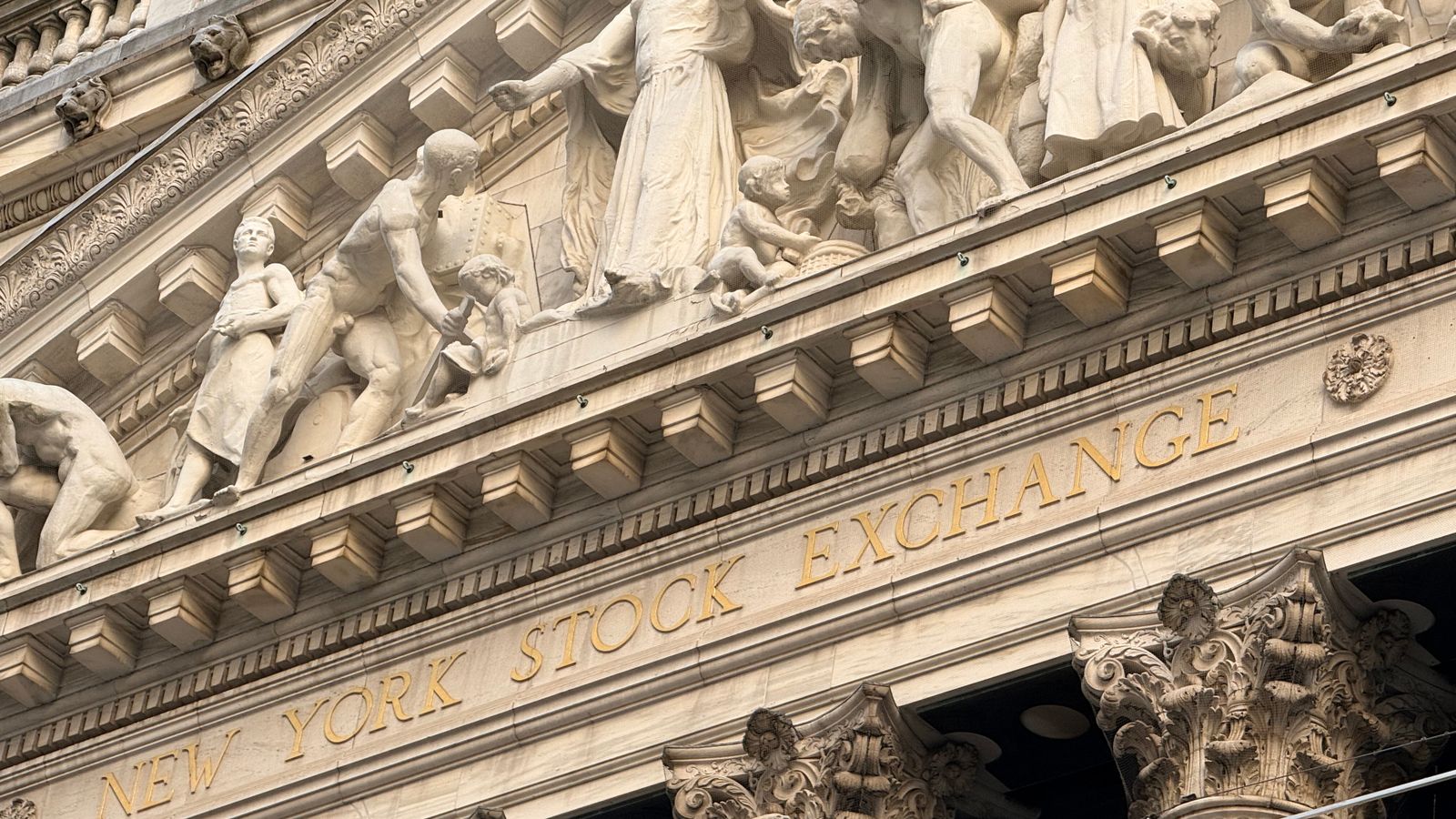
Ornate façade of the New York Stock Exchange featuring intricate stone sculptures during daylight.
What Nasdaq Told Safe Harbor
Nasdaq offered SHF Holdings a 180-day extension of its compliance deadline, according to the company's Oct. 21, 2026 release. The company does business as Safe Harbor Financial and trades under NASDAQ: SHFS.
The notice came in writing from The Nasdaq Stock Market LLC. That's the whole confirmed record so far.
CannIntel's copy of the release excerpt doesn't identify which listing requirement is at issue. We haven't seen the full filing, and we won't guess at the rule.
Why the Extension Matters Beyond the Ticker
Safe Harbor sells compliance and banking-access infrastructure, so its listing status is a counterparty-risk question for customers. The company describes itself as a fintech platform serving the regulated cannabis and hemp industries.
For a dispensary or cultivator, a banking vendor is plumbing that operators don't think about until something breaks, and a listing problem at a public vendor prompts procurement teams to ask a blunt question: will this provider be here in two years?
A 180-day runway lets the company answer that question on its own schedule. It also gives customers a defined window to watch.
How Nasdaq's 180-Day Windows Typically Work
Nasdaq commonly uses 180-calendar-day cure periods for deficiencies such as minimum bid price, though the release excerpt doesn't say which rule applies here. Under that framework, a company that regains compliance within the window avoids a delisting determination.
If it doesn't, the exchange can move toward delisting, and the company can request a hearing before a Nasdaq panel. Some issuers qualify for additional time. Others don't.
Treat this as general mechanics, not a description of SHFS's specific situation. The company's own filing will set the terms and the date.
The Operator Lens: Banking Rails Are Vendor-Dependent
Cannabis operators remain locked out of conventional banking at scale, which is why third-party compliance platforms carry outsized weight. Plant-touching businesses still operate under federal prohibition. Many bank accounts exist only because institutions are comfortable with the compliance layer sitting on top.
FinCEN's 2014 cannabis guidance created the reporting framework banks use to serve the sector. Vendors like Safe Harbor sit between that guidance and the operator's day-to-day deposit and reporting needs.
That position is valuable. It's also concentrated. When a single provider supports a large share of a bank's cannabis book, the provider's corporate health becomes a systemic variable.
The Investor Lens: A Reprieve, Not a Fix
An extension postpones the delisting question but doesn't resolve whatever triggered the notice. Investors should read it that way.
Public cannabis-adjacent companies have spent years under pressure on U.S. exchanges. Many carry small floats and volatile pricing, which makes listing standards a recurring threat. SHFS now joins that group in the headlines.
The extension itself is routine process. What matters is what management does with the 180 days.
What We Don't Know Yet
The signal leaves several material questions open, including the specific deficiency, the exact deadline date, and the company's cure plan. Each shapes how seriously customers and shareholders should take the notice.
- Which Nasdaq listing rule triggered the notice
- The calendar date the 180-day window closes
- Whether management plans a corrective action such as a reverse split or capital raise
Answers should come in the company's 8-K and any follow-up filings. We'll update this report when they surface.
What Customers and Partners Should Ask
The practical response for operators is vendor diligence, not alarm. Ask your provider's account team for their reading of the notice and the timeline.
Check whether your banking partner has contingency language if a vendor is delisted or acquired. Confirm how your compliance data is stored and exported. If your seed-to-sale and POS integrations feed reporting through a third party, know where that handoff happens.
None of this means leave. It means have a Plan B documented before you need it. For full background on this story, see the CannIntel topic hub on Safe Harbor Financial and Nasdaq compliance.
Compare this with how other regulated-industry fintechs have handled listing scrutiny. The pattern is usually a long, slow cure period rather than a sudden collapse. That's a pattern, not a promise.
What to Watch Next
The key signal is whether SHFS files a detailed 8-K and then shows measurable progress well before the 180-day window closes. Markets reward specifics. They punish silence.
Watch the company's next quarterly report for commentary on the notice and any capital plans, and look for customer or bank-partner announcements that signal continuity. Broader federal banking-access debates, including the SAFE Banking Act, matter too, since policy shifts would change the value of platforms like this one.
The next hard date is whenever Nasdaq's 180-day clock expires. Until the filing lists it, everyone is guessing.
Frequently asked questions
What did Nasdaq tell Safe Harbor Financial?
According to the company's Oct. 21, 2026 release, SHF Holdings received written notice from The Nasdaq Stock Market LLC offering a 180-day compliance deadline extension. The release excerpt reviewed by CannIntel doesn't specify which listing requirement is involved.
Is Safe Harbor Financial being delisted?
Not based on the available information. The notice offers an extension, which gives the company 180 days to address the issue. A delisting determination would only come if the company fails to cure within the allowed period and any further time Nasdaq grants.
What does Safe Harbor Financial do?
Safe Harbor Financial, legally SHF Holdings, Inc., is a Denver-based fintech platform serving the regulated cannabis and hemp industries. It trades on Nasdaq under the ticker SHFS.
Does this affect cannabis operators who use Safe Harbor?
The notice doesn't indicate any service disruption. Operators relying on the platform for banking access or compliance should ask their account team about the timeline and confirm contingency plans with their financial institution.
Sources
The cannabis newsletter you forward to your team.
Federal policy, market data, grower alerts, and the one story that matters today. Sent every weekday at 7am. Free.
No spam. Unsubscribe with one click. 21+ only.
Related from Business

Vireo Makes Latest $21M Florida Purchase, Deepening MSO Foothold
MJBizDaily reported the multistate operator's newest Florida deal, a $21 million purchase that extends a pattern of incremental buying in a license-capped medical market.
Kansas City Pitch Questions Who Owns Missouri's Marijuana Market
Missouri says its cannabis market is competitive. A Kansas City Pitch report asks who actually controls the licenses, and the answer matters to operators and investors.

St. Anthony Village Sets Up Minnesota's Second City-Owned Dispensary
The Twin Cities suburb is set to follow the municipal-store model into cannabis retail, and operators should read it as a pricing and policy signal.
More from the newsroom
MJBizDaily Flags Facility Design Errors Cultivators Can't Retrofit
An Oct. 22 MJBizDaily report on unfixable build mistakes puts HVAC, dehumidification and electrical sizing back at the center of cultivation capital planning.

Massachusetts Poll Finds Voters Back Legal Cannabis, Enterprise News Reports
A poll reported by Enterprise News shows Massachusetts voters favor legal weed and see it as a societal positive, a signal operators and investors will weigh.

BillsTax Indicted Again on Marijuana Charges in South Korea
Chosunbiz reported a second indictment of BillsTax on marijuana charges tied to legalization advocacy, though the charging details were not available.