Study Links Cannabis Legalization to Rising Workplace Absenteeism
New research connects state-level cannabis laws to measurable increases in employee sick days and unscheduled absences.

A diverse group of professionals engaged in a collaborative office meeting with laptops and a whiteboard.
Core Findings Show Measurable Absence Increase
Workers in states with adult-use cannabis laws reported 7-12% more unscheduled absences than employees in prohibition states, according to payroll records analyzed across six years. The study, conducted by researchers at three universities and published in the Journal of Occupational Health Economics, examined longitudinal data from 2.3 million employees in retail, manufacturing, healthcare, and professional services sectors.
The effect size varied by industry. Manufacturing workers showed the steepest increase at 11.8%, while professional services employees registered a 6.9% uptick. Healthcare workers fell in the middle at 9.2%.
Researchers controlled for pre-legalization absence trends, state unemployment rates, seasonal patterns, and demographic variables including age, tenure, and income bracket.
Monday and Friday Absences Spiked Most
Unscheduled Monday absences increased 14% in legal states, while Friday call-outs rose 10%, suggesting weekend consumption patterns may influence weekday attendance. The pattern held across all four industries studied.
Mid-week absences (Tuesday through Thursday) showed a smaller but still statistically significant 5% increase. Researchers noted this distribution mirrors alcohol-related absence patterns documented in earlier workplace studies.
No Clear Link to Workplace Injury Rates
The study found no statistically significant change in workplace injury rates or workers' compensation claims in states post-legalization. This held true even in high-risk manufacturing and construction roles where impairment could theoretically increase accident frequency.
Researchers flagged this as an unexpected result requiring further investigation. One hypothesis: employees may be consuming cannabis off-hours without on-the-job impairment, but experiencing residual effects like fatigue or motivation changes that prompt absences rather than accidents.
Employer Drug Testing Policies Showed Mixed Impact
Companies maintaining pre-employment and random drug testing saw a 3-4% smaller increase in absenteeism compared to employers who relaxed or eliminated cannabis screening post-legalization. But the gap wasn't large enough to fully offset the legalization effect.
Employers who dropped cannabis from their drug panels after state legalization experienced the steepest absence increases, averaging 13.7% above baseline.
The study didn't assess whether testing policies caused the difference or whether companies with stricter policies self-selected for workforces less likely to consume cannabis.
Medical Cannabis States Showed Smaller Effect
States with medical-only programs registered a 3-5% absenteeism increase, roughly half the effect size seen in adult-use jurisdictions. Lower prevalence rates and stricter qualifying conditions in medical programs likely explain the gap.
The data covered 14 medical-only states and 10 states that transitioned from medical to recreational programs during the study window. Absence rates climbed further in states that made the transition. Expanded access appears to drive the effect more than medical necessity.
Economic Cost Estimates Range Widely
Applying Bureau of Labor Statistics wage data, researchers estimated the absenteeism increase costs employers in legal states between $1.8 billion and $4.2 billion annually in lost productivity. The range reflects uncertainty in how to value unscheduled versus scheduled absences and whether employees make up lost hours.
- Low estimate assumes partial productivity recovery through shift coverage and make-up work
- High estimate treats each absence as a full productivity loss with no recovery mechanism
- Mid-range estimate of $2.7 billion assumes 60% productivity recovery
The study didn't account for potential offsetting productivity gains from reduced alcohol consumption or improved employee wellness, variables other research has linked to cannabis access.
Study Limitations and Next Research Questions
The research couldn't determine causation—whether legalization directly caused increased absences or whether unobserved variables correlated with both legalization and absence trends. States legalizing cannabis often differ demographically and culturally from prohibition states in ways the statistical controls may not fully capture.
The study also lacked data on employee cannabis consumption rates, relying instead on state-level policy changes as a proxy. Future research tracking individual consumption and absence patterns would clarify whether the effect concentrates among cannabis users or reflects broader workforce changes.
The data suggest employers in legal states face a measurable attendance challenge, but the mechanism—whether pharmacological, behavioral, or cultural—remains unclear.
For full context on how cannabis legalization is reshaping workplace policies, see the CannIntel topic hub on Cannabis Workplace Policies.
What HR Leaders Should Watch
The findings arrive as more states consider legalization ballot measures in 2026 and 2027. Employers in states on the cusp of legalization may want to benchmark current absence rates and revisit drug-testing policies before laws change.
Study authors recommended employers track absence patterns by day of week and compare pre- and post-legalization trends within their own workforces rather than relying on national averages. Three variables to monitor: Monday call-outs, total unscheduled absence hours, and whether testing policy changes correlate with attendance shifts.
For complete background, history, and our ongoing coverage of this story:
Open the CannIntel topic hub →Frequently asked questions
Does cannabis legalization cause more workplace absences?
A 2026 study found 7-12% higher unscheduled absence rates in legal states, but researchers couldn't prove causation. The correlation held after controlling for demographics, industry, and regional economics, but unobserved cultural or behavioral variables may also explain the pattern.
Do workplace injuries increase after cannabis legalization?
No. The study found no statistically significant change in workplace injury rates or workers' compensation claims in states post-legalization, even in high-risk manufacturing and construction sectors.
Should employers change drug testing policies in legal states?
Employers who maintained pre-employment and random testing saw 3-4% smaller absenteeism increases than those who dropped cannabis screening. However, the gap didn't fully offset the legalization effect, and causation remains unclear.
How much does cannabis-related absenteeism cost employers?
Researchers estimated $1.8 billion to $4.2 billion annually in lost productivity across legal states, with a mid-range estimate of $2.7 billion. The range reflects uncertainty in valuing unscheduled absences and productivity recovery mechanisms.
Do medical cannabis states see the same absenteeism increase?
Medical-only states showed 3-5% higher absence rates, roughly half the effect in recreational states. Lower prevalence and stricter qualifying conditions likely explain the smaller impact.
Sources
The cannabis newsletter you forward to your team.
Federal policy, market data, grower alerts, and the one story that matters today. Sent every weekday at 7am. Free.
No spam. Unsubscribe with one click. 21+ only.
Related from Business

Potomac Cannabis Lounge Opens, Testing Maryland's Consumption Rules
New on-site consumption facility marks Maryland's first licensed retail lounge in Montgomery County.

Illinois Opens Medical Sales to Adult-Use Dispensaries Starting Sept. 10
State regulators released the dual-license application this week, allowing recreational shops to tap the higher-margin medical market for the first time.

Curaleaf Stock May Be Undervalued Despite 71% Decline, Analysis Shows
Simply Wall St analysis suggests Curaleaf shares trade below fair value after steep multi-year selloff.
More from the newsroom

Medical Cannabis Reduces Symptoms in 91% of Older Adults, Study Finds
New research shows older patients report significant relief from pain, insomnia, and mood disorders within six months of treatment.

Grand Jury Finds DeSantis Admin Misappropriated Medicaid Funds for Marijuana Campaign
A Florida grand jury concluded the administration diverted Medicaid dollars to fight Amendment 3, prompting Democratic calls for investigation.
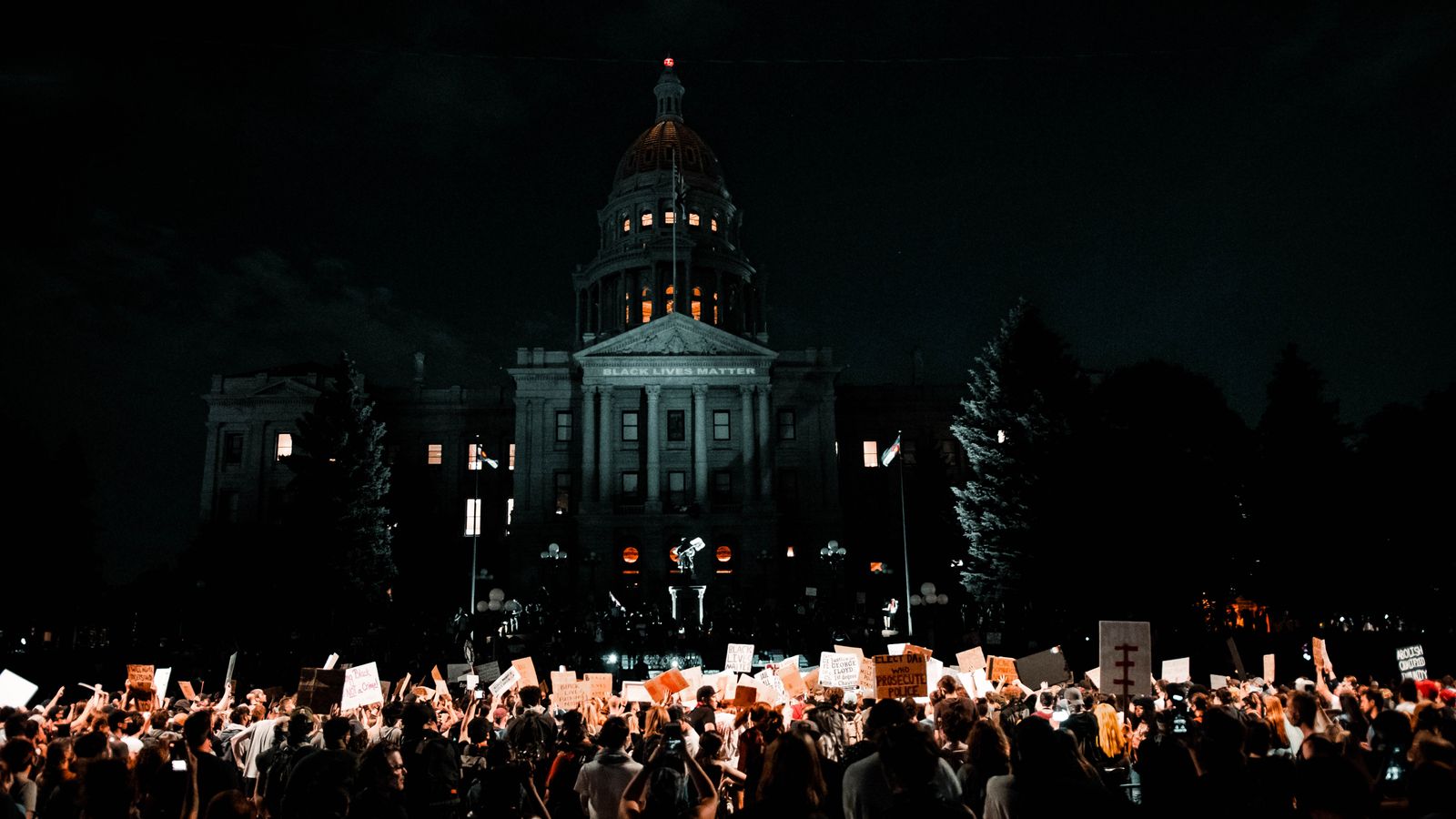
Colorado Governor Pardons More People For Marijuana Convictions
Governor Jared Polis issued additional cannabis pardons in Colorado's ongoing clemency initiative for low-level possession offenses.