57% of California Cities Ban Dispensaries as Delivery Fills Access Gap
More than half of California municipalities prohibit storefront cannabis retailers, forcing residents to rely on delivery or drive to neighboring jurisdictions.
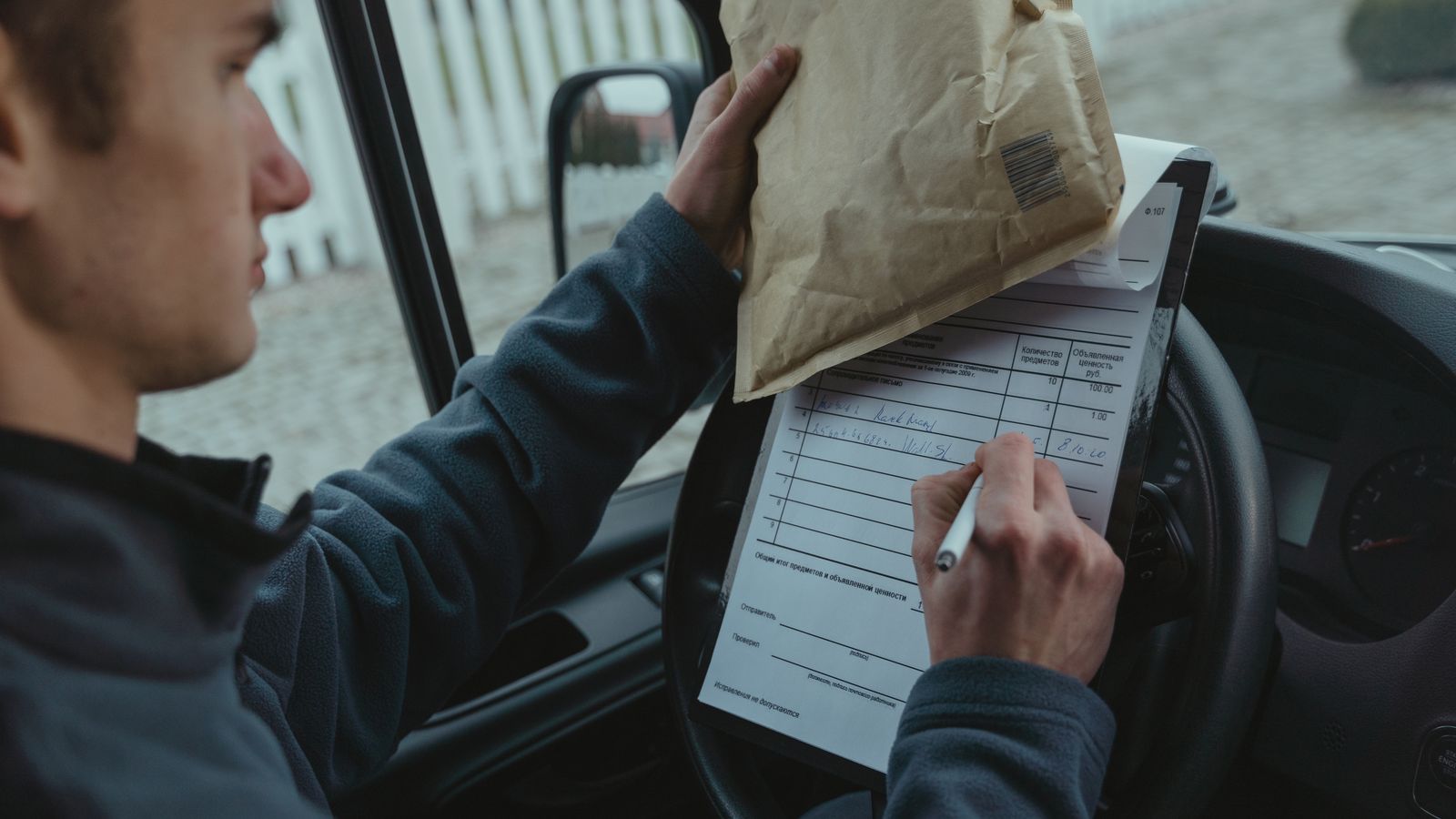
Courier signs delivery documents inside van while holding package, representing logistics and efficient mail service.
Local Bans Persist Despite Statewide Legalization
More than 330 of California's 482 cities have enacted local ordinances prohibiting storefront cannabis retailers, a rate unchanged since 2024. Proposition 64 gave municipalities the authority to ban commercial cannabis activity within their borders. A majority exercised that power. Residents in cities including Fresno, Bakersfield, and most of Orange County now have no legal storefront access.
Lower-income and rural communities bear the brunt. Fresno County, population 1.1 million, has zero licensed dispensaries. Residents drive 45 minutes to Madera or rely on delivery, which often carries minimum-order thresholds and delivery fees exceeding $15.
Delivery Operators Capture the Void
Delivery-only licensees—permitted to operate statewide under DCC regulations—have surged to fill the access gap, with 412 active delivery licenses as of September 2026. Companies like Eaze and Caliva now serve 89% of California ZIP codes, including jurisdictions where storefronts are banned. Delivery sales accounted for 18% of California's $5.3 billion cannabis market in 2025, up from 12% in 2023.
But the model has limits. Minimum-order requirements, delivery windows stretching 2-4 hours, and the inability to browse product in person deter casual consumers. Patients requiring immediate access—particularly those managing acute pain or nausea—find delivery a poor substitute for walk-in retail.
Economic and Tax Revenue Implications
Cities that permit dispensaries collect an average of $1.8 million annually in local cannabis taxes, revenue that ban jurisdictions forfeit entirely. Los Angeles, which licenses 186 dispensaries, generated $89 million in local cannabis tax revenue in fiscal 2025. Neighboring Torrance—population 147,000, zero dispensaries—collected nothing.
A handful of cities have reversed course. In 2025, Huntington Beach and Redding both lifted dispensary bans after budget shortfalls. Yet most prohibition jurisdictions remain dug in, citing concerns over youth access and federal illegality despite eight years of operational evidence from permissive neighbors.
Federal Rescheduling Won't Override Local Control
Even if cannabis is rescheduled to Schedule III under the pending DEA rule, California municipalities will retain full authority to ban dispensaries under Prop 64's local-control provisions. Rescheduling would eliminate 280E tax penalties for operators and potentially ease banking access, but it doesn't preempt state or local zoning laws. Cities that have banned dispensaries on federal-illegality grounds would lose that justification, though most cite local land-use and public-health rationales that survive rescheduling.
For full context on how California's local control framework shapes access, see the CannIntel topic hub on California dispensary access.
What Comes Next for Access Equity
Advocates are pushing for state legislation to limit local bans, but no bill has gained traction in Sacramento. A 2024 proposal to require all cities above 50,000 population to permit at least one dispensary died in committee. Suburban and rural legislators face little constituent pressure to expand access. The California League of Cities has consistently opposed state mandates.
The near-term outlook favors the status quo. Delivery will continue serving ban jurisdictions. Storefront operators will consolidate in permissive cities. And the equity gap—between affluent urban consumers with walk-in access and rural residents paying delivery premiums—will widen.
Frequently asked questions
Why do so many California cities still ban dispensaries?
Proposition 64 granted municipalities full authority to prohibit commercial cannabis activity. Most cite concerns over youth access, public safety, and federal illegality, despite eight years of evidence from permissive neighbors. Suburban and rural cities face little constituent pressure to reverse bans.
Can delivery services legally operate in cities that ban dispensaries?
Yes. California's DCC allows delivery-only licensees to serve any address statewide, including jurisdictions that prohibit storefronts. Delivery operators must comply with state track-and-trace and age-verification rules but don't require local permits in destination cities.
Will federal rescheduling force cities to allow dispensaries?
No. Rescheduling to Schedule III would eliminate 280E tax penalties and ease banking, but it doesn't preempt state or local zoning authority. California municipalities retain full control over whether to permit cannabis retail under Prop 64.
How much tax revenue do ban cities lose?
Cities that permit dispensaries collect an average $1.8 million annually in local cannabis taxes. Los Angeles generated $89 million in fiscal 2025. Ban jurisdictions collect zero local cannabis tax revenue, though residents still purchase via delivery or in neighboring cities.
Are there efforts to limit local bans at the state level?
Advocates have proposed legislation to require cities above 50,000 population to permit at least one dispensary, but no bill has advanced. The California League of Cities opposes state mandates, and suburban legislators face little pressure to expand access.
Sources
The cannabis newsletter you forward to your team.
Federal policy, market data, grower alerts, and the one story that matters today. Sent every weekday at 7am. Free.
No spam. Unsubscribe with one click. 21+ only.
Related from Business

Curaleaf Urges Aurora Shareholders to Accept 45% Premium Takeover Bid
Curaleaf CEO Boris Jordan sent a letter Tuesday pressing Aurora Cannabis shareholders to back the hostile offer.

Christina Lake Cannabis Receives Higher Offer for Assets
The British Columbia cultivator disclosed a superior proposal following its August stalking-horse agreement, triggering a formal auction process.

California Cannabis Tax Revenue Remains Steady Through Q3 2026
State's legal cannabis market continues generating substantive tax receipts despite ongoing illicit competition.
More from the newsroom
Massachusetts Cannabis Repeal Campaign Raises Significant Funds
A ballot initiative seeking to reverse Massachusetts adult-use legalization has attracted substantial financial backing ahead of the 2026 election.
Massachusetts Cannabis Control Commission Launches Regulatory Overhaul
The CCC begins comprehensive review of adult-use and medical cannabis rules, targeting licensing, testing, and social equity provisions.
Paso Robles Advances Ordinance to Expand Cannabis Business Licenses
City council moves forward with regulatory changes allowing more retail and cultivation permits in commercial zones.